

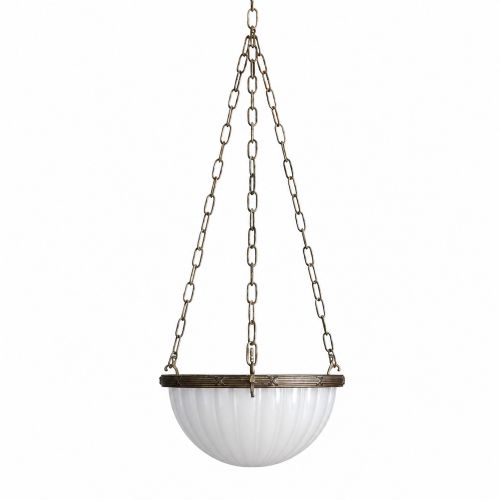


Opal Glass Light Fixture
An opal glass light fixture diffuses a soft, even glow across a room, bringing period character and warmth to any interior.
Opal Glass Light Fixture
When you search for an opal glass light fixture, you are looking at functional and decorative hanging illumination from the nineteenth and early twentieth centuries. These pieces encompass pendant lights, ceiling fixtures, oil lamps, and chandeliers designed to soften harsh glare.
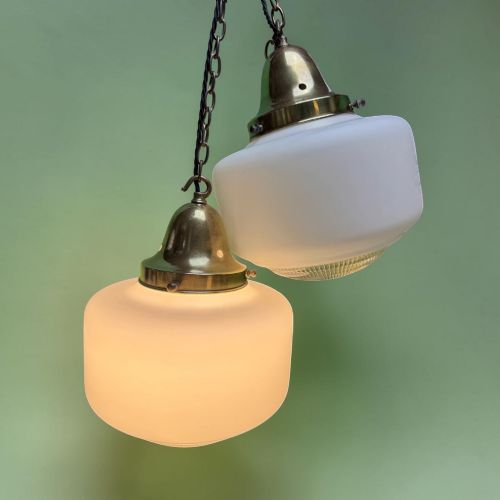
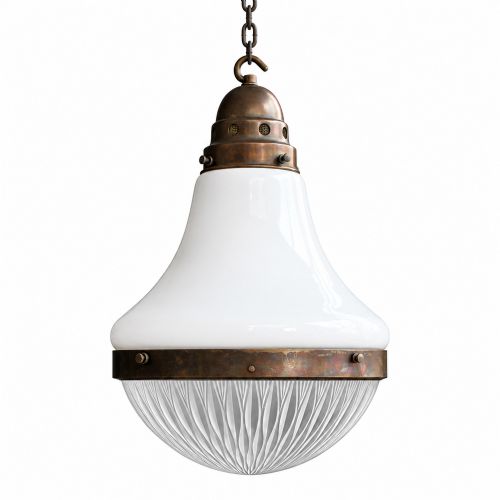
You are most likely to meet early twentieth century examples on this page, particularly English moonstone pendants and industrial ceiling lights. These pieces frequently combine blown glass shades with robust brass fittings from the Victorian, Edwardian, and 1930s periods.
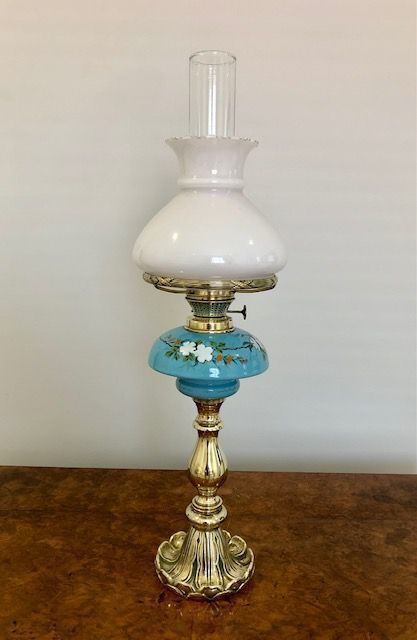
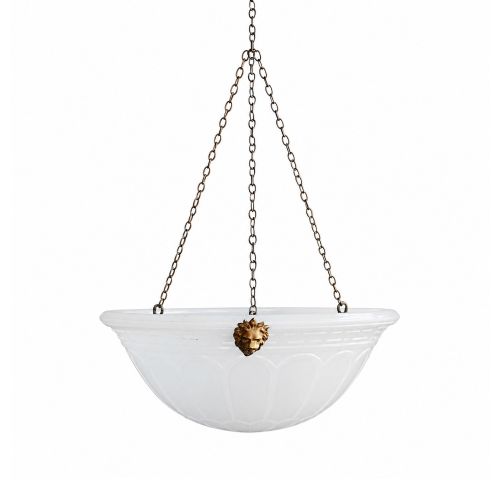
The selection ranges from utilitarian pharmacy globes to decorative Arts and Crafts ceiling bowls and Gothic style brass chandeliers. Each form reflects the lighting technology and interior style of its specific decade.
Materials and Construction
These pieces are constructed primarily from brass paired with specialised translucent glass, including moonstone, opaline, milk, and opalescent varieties. The glass is blown to create diffusing globes and shades that soften the point source of the internal bulb or flame.
Metal components such as brass frames, galleries, and oil lamp fonts provide structural support and secure mounting for the glass shades. Manufacturing techniques range from industrial metal spinning to domestic glass blowing and decorative enamelling.
Opal Glass Light Fixture Retail Price Guide 2026
Typical asking prices for opal glass light fixture among the pieces listed under this phrase on Sellingantiques today, from the lower quarter to the upper quarter. They describe what is for sale here now, not the wider market.
Listings feature brass fittings paired with moonstone, opaline, and milk glass across Victorian, Edwardian, and 1930s periods.
Assessing Quality and Character
Quality in these fixtures lies in the depth and consistency of the glass body and the weight of the metal hardware. Superior pieces display even opacity in the moonstone or opaline glass and substantial brass components rather than thin plated metals.
Design sophistication also distinguishes the range, moving from simple utilitarian industrial shades to elaborate Gothic style chandeliers and fine enamelled ceiling lamps. The integration of period fittings and the retention of original surface patination elevate the standing of an individual piece.
The Opal Glass Light Fixture Glossary
- Opal glass
- A translucent, milky-white glass that diffuses light evenly without complete transparency. It was widely utilised in nineteenth and twentieth century lighting for its glare-reducing properties.
- Moonstone glass
- A specific type of semi-translucent glass with a cloudy, shimmering appearance resembling the gemstone. English makers frequently used this material for early twentieth century pharmacy pendants.
- Gallery
- The metal ring or collar that grips the top rim of a glass shade, securing it to the pendant or lamp fitting. These are commonly cast or stamped in brass.
- Pendant light
- A hanging light fixture suspended from the ceiling by a cord, chain, or metal rod. In these listings, they frequently take the form of single globes or bowls.
Opal Glass Light Fixture: Frequently Asked Questions
What is an opal glass light fixture?
An opal glass light fixture is a historic hanging or ceiling lamp featuring a translucent white glass shade designed to soften and diffuse light. These pieces date from the Victorian, Edwardian, and early twentieth century eras.
They appear in various forms, including industrial pendants, pharmacy globes, and decorative oil lamps, often paired with brass fittings.
How do I date an antique glass pendant?
Dating relies on examining the manufacturing style, the type of glass, and the construction of the metal gallery or fixings. Edwardian and 1920s pieces often show specific industrial or domestic forms.
Victorian pieces frequently incorporate heavy brass oil lamp components or elaborate Gothic and Arts and Crafts detailing.
Where were these lights originally used?
These fixtures served diverse roles in homes, shops, and industrial spaces during the nineteenth and early twentieth centuries. Utilitarian pharmacy lights and industrial pendants illuminated workspaces.
Meanwhile, decorative oil lamps, enamelled ceiling lamps, and brass chandeliers provided ambient lighting in domestic reception rooms.
Can I use modern bulbs in these fixtures?
Most historic fixtures can accommodate modern LED bulbs that match the physical dimensions and heat output tolerances of the original design. Professional rewiring is typically recommended to ensure electrical safety.
The original brass galleries and holders remain compatible with standard modern internal wiring components.
What is the difference between moonstone and milk glass?
Moonstone glass exhibits a distinctive cloudy, semi-translucent depth that catches light with a soft shimmer. Milk glass is generally a denser, opaque white material.
Both were utilised for lighting shades to reduce glare, but moonstone offers a more layered, atmospheric diffusion.