


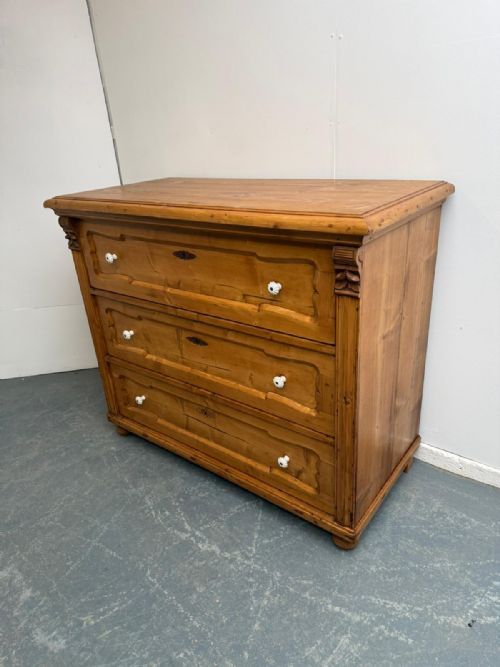


Old Wooden Carving
An old wooden carving brings tactile warmth and historic character into a room through carved pine, pearwood, or oak.
Old Wooden Carving
When you search for an old wooden carving, you are looking at figural sculptures, architectural elements, and functional objects shaped by hand from various timbers. These pieces range from detailed human portraits to traditional figures rooted in specific cultural traditions.
On this page, you are most likely to meet Victorian and 18th-century works, alongside early 20th-century items. The forms vary from intimate pearwood busts to larger groups of carved figures and decorative furniture details.
Origins span English, European, and Chinese workshops, reflecting diverse regional carving traditions. Buyers often select these items to anchor a room with genuine age and traditional craftsmanship.
Materials and construction
Carvings on this page utilise dense hardwoods like oak and pearwood, as well as softer pine, depending on the intended detail and regional origin. Timbers are shaped using traditional hand chisels and gouges, leaving tool marks that reveal the hand of the maker.
Surface treatments vary from natural waxed finishes that highlight the grain to painted surfaces and applied polychrome details. Some pieces incorporate metal fixtures in brass or iron to complement the timber structure.
Old Wooden Carving Retail Price Guide 2026
Typical asking prices for old wooden carving among the pieces listed under this phrase on Sellingantiques today, from the lower quarter to the upper quarter. They describe what is for sale here now, not the wider market.
Periods represented span the 18th century through the Victorian era, 1900, 1910, and 1930.
Assessing quality and execution
The distinction between ordinary and exceptional work lies in the depth of execution and the anatomical or structural understanding of the carver. Finer examples display precise facial expressions, fluid drapery, and confident handling of the timber grain.
Condition and originality dictate the standing of a piece, particularly the preservation of the original surface finish, whether waxed, painted, or raw wood. Signed works by documented makers command greater attention for their identifiable provenance.
William Tate
The Old Wooden Carving Glossary
- Pearwood
- A dense, pale fruitwood favored by carvers for its fine, even grain and ability to hold microscopic detail. It is frequently seen in portrait busts and small decorative sculptures.
- Pine
- A softwood commonly utilised for larger cupboards, cabinets, and folk carvings, often finished with wax or paint. Its softer nature absorbs traditional finishes readily.
- Polychrome
- A surface decoration utilising multiple colours of paint applied to wood or stone. This technique enhances the realism and visual impact of figural carvings.
- Waxed
- A finish applied to timber using natural waxes to nourish the grain and impart a soft sheen. This method protects the wood while revealing its natural colour.
- Art Nouveau
- A decorative style prevalent around 1900 characterised by flowing, organic lines and floral motifs. Carvings in this style often incorporate asymmetrical plant forms.
Old Wooden Carving: Frequently Asked Questions
How do I care for an old wooden carving?
Keep carved wooden pieces away from direct heat sources and dramatic humidity fluctuations to prevent timber splitting or warping. Dust gently with a soft, dry cloth and apply a quality beeswax sparingly only when the wood appears dry.
Avoid liquid polishes containing silicones, as these can build up on the surface and degrade historical wax or painted finishes over time. Proper placement ensures the timber remains stable for decades.
What periods do these carvings come from?
The pieces span multiple centuries, ranging from 18th-century figural groups to Victorian works and 20th-century items from 1910 and 1930. Each era utilises distinct regional techniques and native timbers.
Familiarising yourself with period styles helps contextualise the craftsmanship and materials used by the carver. This chronological breadth offers collectors diverse aesthetic options.
Are painted wooden carvings original?
Many items feature historical paint finishes applied to enhance the carved details or protect the timber substrate. Examining the surface for craquelure, wear patterns, and underlying timber interaction helps determine the age of the paint.
Some pine pieces were painted or waxed during the Victorian period, while others retain earlier polychrome schemes. Professional assessment can confirm whether a finish is period-correct.
How are different wood types identified?
Oak is recognised by its pronounced grain pattern and medullary rays, while pearwood offers a much tighter, smoother texture suitable for fine portraiture. Pine is lighter in weight and shows softer grain lines.
Looking closely at the unpolished undersides or interior surfaces often reveals the true nature of the timber. Comparing weight and colour against known regional examples aids identification.