



Old Storage Coffer
An old storage coffer offers robust utility, combining solid timber construction with historic domestic character to anchor a room.
Old Storage Coffer
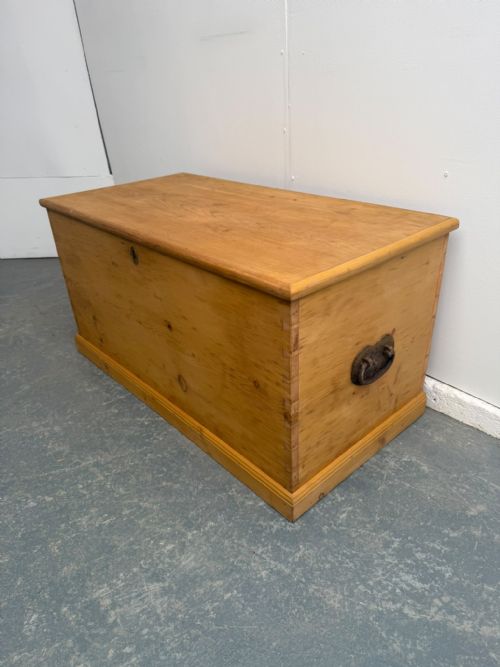
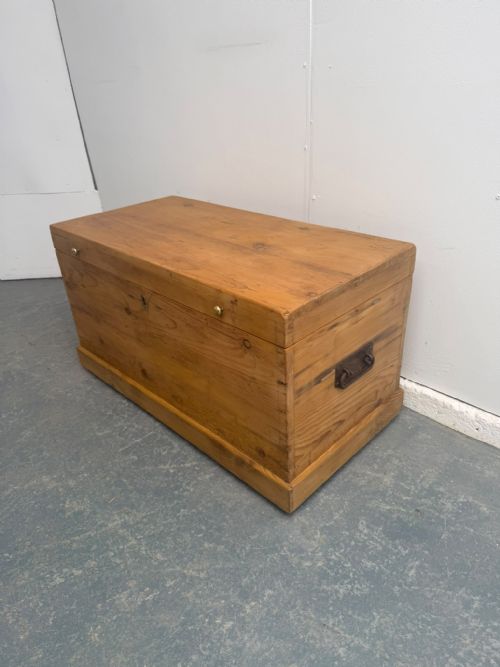
An old storage coffer serves as a durable receptacle, historically utilised for linen, blankets, and household provisions. When searching for an old storage coffer, buyers encounter various forms ranging from plain lidded trunks to multi-drawer mule chests and benches.
The selections span distinct periods, notably Victorian and Georgian, alongside specific regional interpretations such as Hungarian and Chinese pieces. Pine predominates as the primary timber, often finished with wax or original paint.
Functional variants include dome top trunks, fitted blanket boxes, and low chests adapted for alternative uses like coffee tables. These pieces reflect utilitarian origins while providing practical storage solutions for contemporary interiors.
How they were made
Carpenters constructed these pieces primarily from solid pine and oak, utilising sturdy joinery to withstand heavy domestic use. Iron and brass hardware, including hinges, brackets, and carrying handles, reinforced the structural integrity of lids and corners.
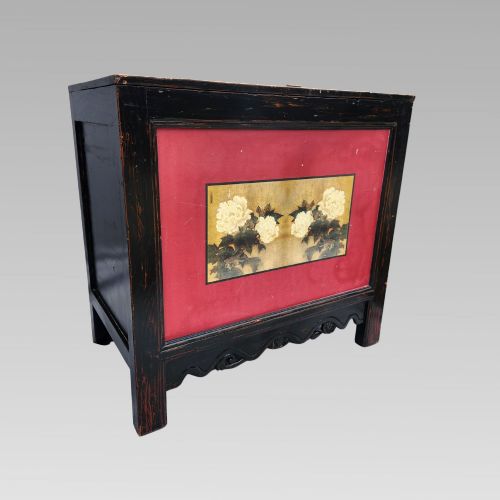
Surfaces received treatments ranging from simple transparent wax to layers of pigment and lacquer, as seen on traditional Chinese storage chests and European painted examples. Paint finishes often survive in original states, showing natural wear over time.
Old Storage Coffer Retail Price Guide 2026
Typical asking prices for old storage coffer among the pieces listed under this phrase on Sellingantiques today, from the lower quarter to the upper quarter. They describe what is for sale here now, not the wider market.
Materials recorded across the inventory include pine, oak, iron, brass, lacquer, pigment, and ceramic.
What varies in quality
The standard of craftsmanship depends largely on the original purpose and regional carpentry traditions, distinguishing simple domestic utility items from finer fitted pieces. Drawer construction, dovetailing, and the preservation of original hardware significantly influence the standing of a coffer.
Surface preservation marks another distinction, particularly where original paint, pigment, or traditional wax finishes remain intact rather than stripped or heavily restored. Proportions and structural robustness also differentiate standard utility chests from more complex mule chests and benches.
The Old Storage Coffer Glossary
- Mule chest
- A chest featuring one or more drawers beneath the main lidded compartment, combining the storage of a trunk with that of a small chest of drawers.
- Blanket box
- A large rectangular container with a hinged lid designed specifically for storing bedding and textiles.
- Dome top chest
- A trunk characterised by a rounded or arched lid, often designed to shed water and provide additional interior headroom.
- Chinoiserie
- European decorative style inspired by Chinese artistic traditions, featuring black lacquer and floral motifs.
- Dovetail
- A traditional wood joint interlocking wedge-shaped fingers, prized for strength in drawer and box construction.
Old Storage Coffer: Frequently Asked Questions
What is a mule chest?
A mule chest combines a traditional lidded storage box with one or more drawers fitted beneath the main compartment.
This hybrid form emerged to provide easier access to belongings without requiring items stored on top to be removed.
How do I clean an old pine coffer?
Maintain waxed pine surfaces using a soft cloth and traditional beeswax to nourish the timber without damaging the patina.
Avoid modern chemical polishes that can strip historic finishes or soften the wood fibres.
Where were Hungarian coffers made?
Hungarian pieces originate from rural European communities where local joiners built practical furniture from accessible softwood.
These items frequently display regional painted decorations or straightforward waxed pine construction.
Can I use a coffer as a coffee table?
Low and wide coffers function effectively as coffee tables while offering hidden storage space for living rooms.
Ensure the height and surface dimensions suit your seating arrangement before placing items upon the lid.