


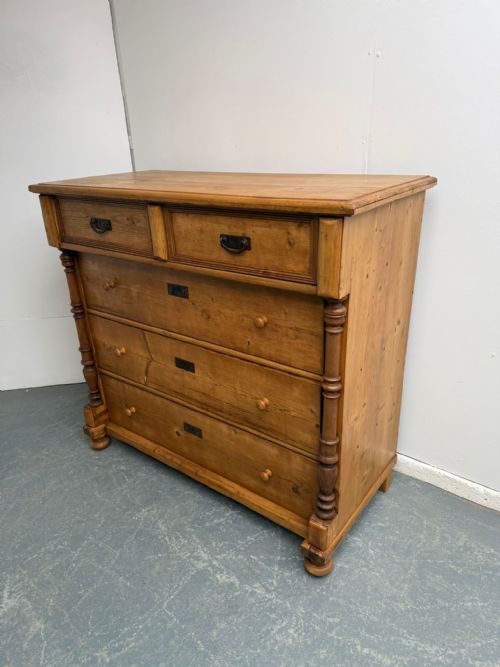


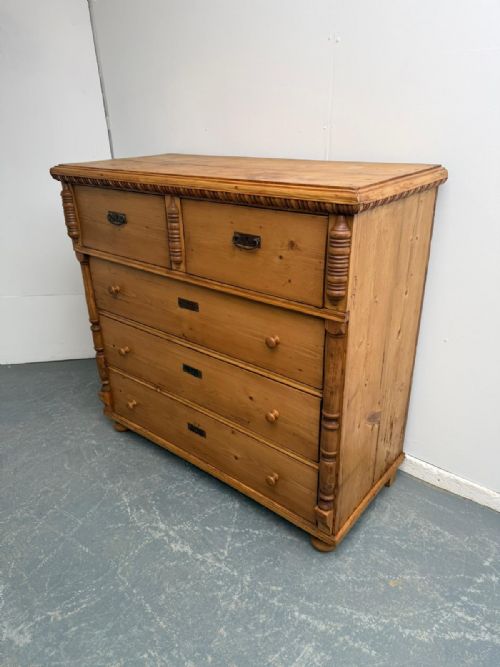

Old Storage Chest
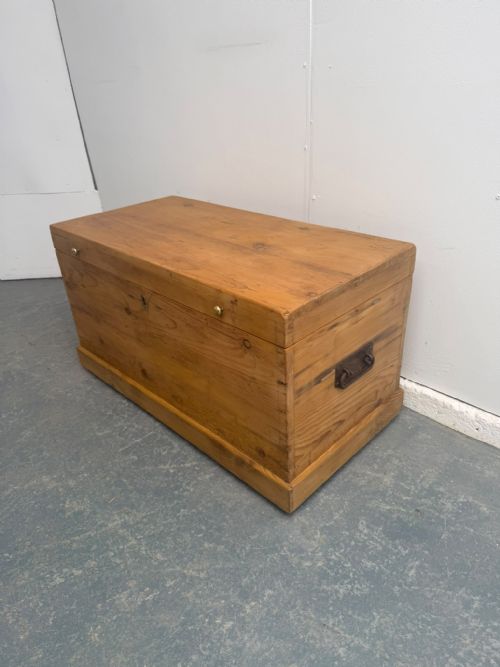
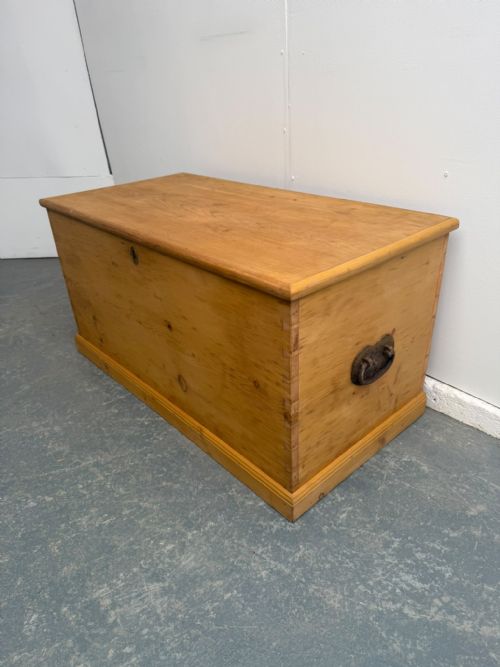
An old storage chest offers practical depth and sturdy timber, making it a reliable place to store blankets and household goods.
Old Storage Chest
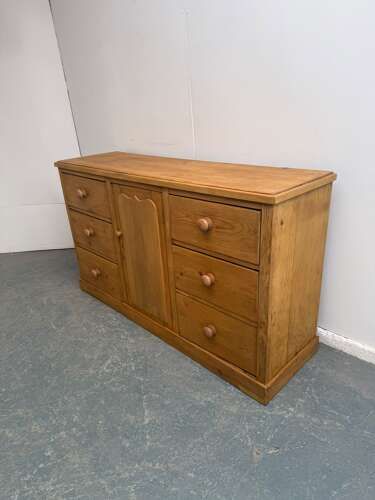
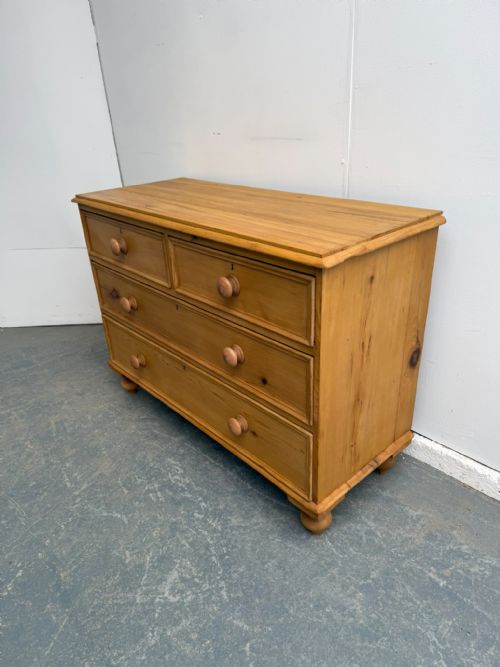
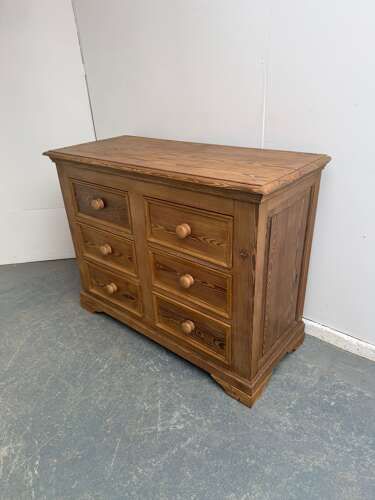
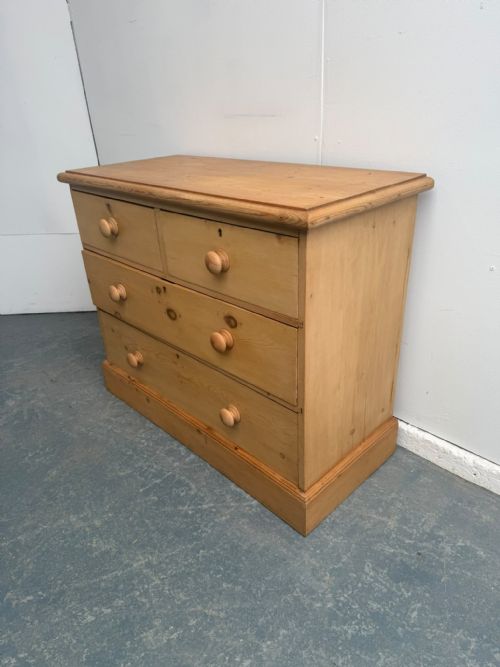
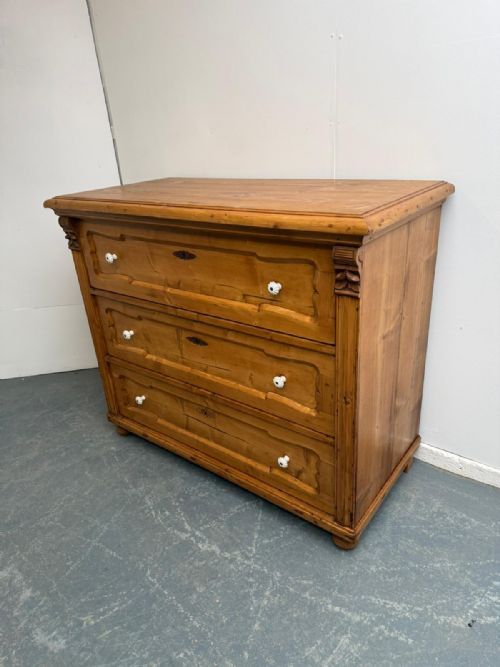
When you search for an old storage chest, you encounter a range of heavy timber containers and drawer units designed for utility. The selection spans straightforward blanket boxes, large mule chests, and multi-drawer chests of drawers originating from various eras.
Victorian and Georgian examples dominate the offerings, constructed primarily from pine with occasional oak variants. Forms vary from simple hinged boxes to large kitchen dresser bases, shop fittings, and linen presses.
Hungarian and English origins appear frequently, showing distinct regional surface treatments like clear wax finishes or original paint. Buyers often find low, wide proportions suited to modern domestic use as coffee tables or television stands.
How they were made
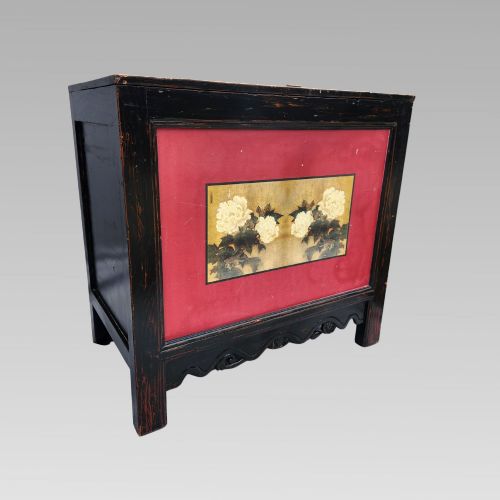
Makers relied primarily on solid pine and oak, combining iron and brass hardware for hinges, handles, and key escutcheons. Surfaces were either left bare for waxing or coated in paint, black lacquer, and decorative finishes.
Construction techniques prioritised durability, joining thick timber panels to withstand heavy daily use in homes, shops, and rural settings. Drawer units often incorporated multiple small or large tiers alongside fielded panels and columned details.
Old Storage Chest Retail Price Guide 2026
Typical asking prices for old storage chest among the pieces listed under this phrase on Sellingantiques today, from the lower quarter to the upper quarter. They describe what is for sale here now, not the wider market.
Listings feature pine and oak materials across Victorian, Georgian, Edwardian, and Regency periods.
What varies in quality
The standard of an old storage chest depends on the integrity of its timber, the presence of original hardware, and whether surface treatments like paint or wax remain intact. Examples retaining their initial finish or functional internal fittings sit at a higher tier than heavily altered pieces.
Proportions and regional characteristics also influence distinction, particularly with Hungarian imports displaying original decorative schemes or columned details. Structural robustness, such as tight joints on multi-drawer shop fittings, separates standard utility items from finer examples.
The Old Storage Chest Glossary
- Mule chest
- A traditional storage chest featuring one or more drawers beneath the main internal compartment. This form bridges the gap between a simple blanket box and a full chest of drawers.
- Linen press
- A tall storage piece typically combining upper cupboard doors with lower drawers, designed for textiles and garments. These tall units often separate into two modular sections for transport.
- Shop fitting
- Heavy-duty cabinetry or drawer banks built for commercial use in retail spaces. These pieces are characterised by numerous small drawers and robust construction.
- Chinoiserie
- European decorative style reflecting Chinese artistic motifs, often applied in lacquer. This technique appears on specialised black lacquer storage pieces.
- Waxed finish
- A protective treatment applied to timber surfaces to nourish the wood and create a soft sheen. This finish highlights the natural grain of pine and oak.
Old Storage Chest: Frequently Asked Questions
How do I use an old chest today?
These pieces provide ample volume for concealing blankets, bedding, and bulky household items while serving as stable surface furniture. Low, wide variants function effectively as coffee tables or television stands in living spaces.
Their robust timber construction allows them to endure daily interaction. Placing them in hallways or bedrooms adds character alongside practical storage capacity.
What wood types should I expect?
Pine is the predominant timber across the majority of these listings, often treated with a traditional wax finish to highlight the grain. Oak also appears in sturdier variants like log boxes.
Metal components in brass and iron frequently supplement the timber structure on hinges and drawer pulls. Painted surfaces and black lacquer offer alternative finishes to bare wood.
How do I tell Victorian from Georgian pieces?
Georgian chests and boxes generally date from the eighteenth century, showing earlier construction traits and regional Hungarian or English craftsmanship. Victorian examples reflect nineteenth-century proportions and tend to feature heavier waxed pine surfaces.
Stylistic cues such as columned details or specific drawer configurations help separate the periods. Comparing the hardware and internal joinery provides further clues to a piece's age.
Are painted chests original?
Many Hungarian and English boxes retain their original painted surfaces, which form an important part of their historical character. These finishes include light green pigments, floral motifs, and dark lacquer.
Evaluating the wear and patina helps determine whether the paint dates to the period of manufacture. Original coatings remain desirable to collectors who value untouched surfaces.