





Old Pearl Jewellery
Old pearl jewellery brings together centuries of organic lustre and hand-cut stones, offering buyers a tactile connection to Victorian, Edwardian and mid-century design.
Old Pearl Jewellery
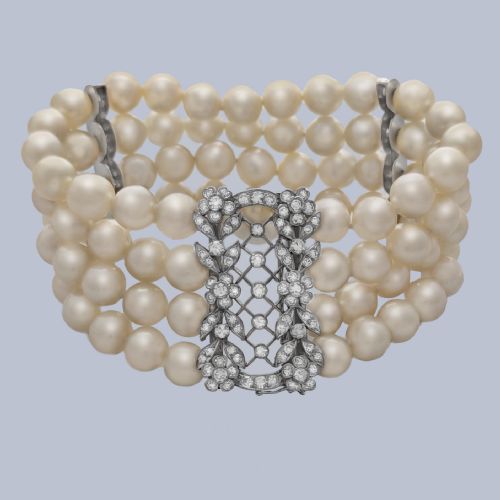
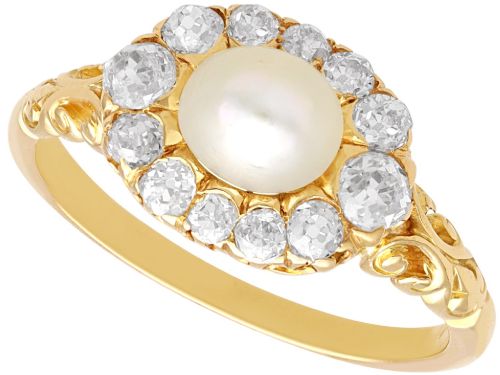
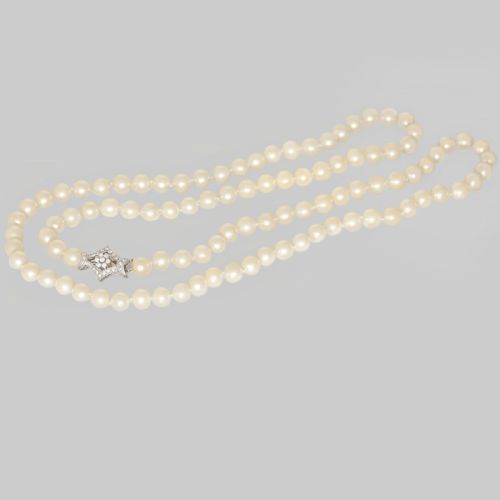
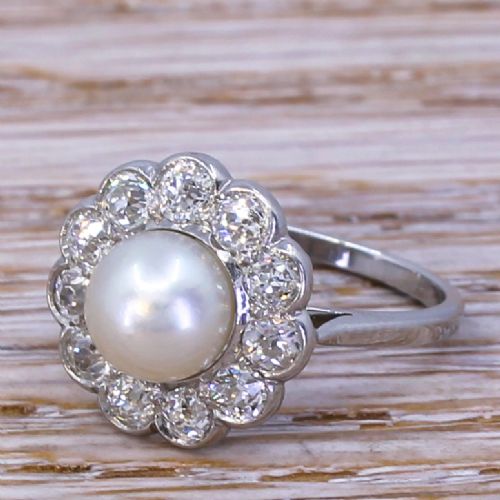
Old pearl jewellery spans rings, necklaces, pendants, earrings and brooches created across the Victorian, Edwardian, Art Deco and mid-century periods. These ornaments combine lustrous organic pearls with precious metals like eighteen-carat gold, fifteen-carat gold, platinum and silver.
Cluster rings and diamond-set pendants dominate the selections available, alongside long necklaces and drop earrings. Pieces often pair pearls with old-cut diamonds, rubies, almandine garnets or mother-of-pearl shells to form distinct motifs like starbursts, swags and crossover settings.
Makers from Britain, France and other regions utilised traditional hand-fabrication methods to mount these pearls securely. Buyers encounter items ranging from delicate seed pearl lavalieres to substantial natural pearl cluster rings set in yellow or white gold.
How They Were Made
Metalsmiths shaped eighteen-carat and fifteen-carat yellow and white gold, platinum and silver into intricate bezels, claws and galleries by hand. These metals provided sturdy foundations for securing delicate pearls alongside old-cut diamonds.
Goldsmiths drilled pearls carefully to string them into single strands or mount them onto pins and cluster settings. Hand-cut diamonds with distinctive open culets were foil-backed or collet-set to catch candle and gas light.
Old Pearl Jewellery Retail Price Guide 2026
Typical asking prices for old pearl jewellery among the pieces listed under this phrase on Sellingantiques today, from the lower quarter to the upper quarter. They describe what is for sale here now, not the wider market.
Listings feature pearls combined with platinum, silver and gold across Edwardian, Victorian, Art Deco and mid-century periods.
What Varies in Quality
The alignment of the metalwork and the symmetry of the pearl and diamond arrangement distinguish finer examples from standard work. Superior pieces display balanced proportions in complex motifs such as starbursts and swirling clusters.
The matching of the pearls in lustre, skin and tone across multi-stone necklaces and earrings dictates the grade of the piece. Master jewellers ensured that mountings in gold and platinum enhanced the natural sheen without overwhelming the organic gems.
The Old Pearl Jewellery Glossary
- Natural Pearl
- A pearl formed organically in a mollusc without human intervention. These gems possess a deep, layered orient that develops over years in natural waters.
- Old Cut Diamond
- A diamond cut by hand before modern machinery standardised facet shapes. These stones feature smaller tables, higher crowns and open culets.
- Seed Pearl
- A tiny, naturally small pearl often drilled and used in clusters or strung in multi-row necklaces. Victorian jewellers favoured them for delicate floral and star motifs.
- Cluster Ring
- A ring design featuring a central stone or pearl surrounded by a border of smaller gems. This configuration maximises visual presence on the hand.
- Toi Et Moi
- A French term meaning you and me, describing a ring featuring two main gemstones or pearls resting side by side. It symbolises two souls united.
- Lavaliere
- A pendant necklace featuring a suspended drop ornament that sways below the main chain. This style gained immense popularity during the Edwardian era.
Old Pearl Jewellery: Frequently Asked Questions
How do I care for antique pearls?
Pearls are organic gems that require gentle treatment, so you should wipe them with a soft cloth after wearing to remove oils and cosmetics. Avoid exposing them to harsh chemicals, perfumes or ultrasonic cleaners which can damage the delicate nacre.
Store your pearl jewellery separately from harder gemstones to prevent scratching the surface. Periodic restringing by a specialist ensures that silk threads holding necklaces remain secure and strong.
Are these pearls natural or cultured?
The selections encompass natural pearls formed organically in marine or freshwater environments over a century ago. These genuine antique pearls display the authentic orient and irregular growth characteristics typical of pre-cultured specimens.
Examination under magnification often reveals the distinct structures associated with natural growth formations. This organic origin contributes to the enduring appeal of Victorian and Edwardian pieces.
How can I date my piece?
Dating relies on stylistic clues, metal types and gem-cutting techniques characteristic of periods like the Victorian, Edwardian or Art Deco eras. Starburst motifs and seed pearl clusters often point towards the late nineteenth or early twentieth century.
Hallmarks stamped on the gold or platinum mounts provide official stamps that trace the year of assay. Comparing the setting style with documented jewellery histories confirms the exact period.