



Old Paint Box
An old paint box brings surface texture and folk colour to a room, offering practical lidded storage with the authentic patina of past decades.
Old Paint Box
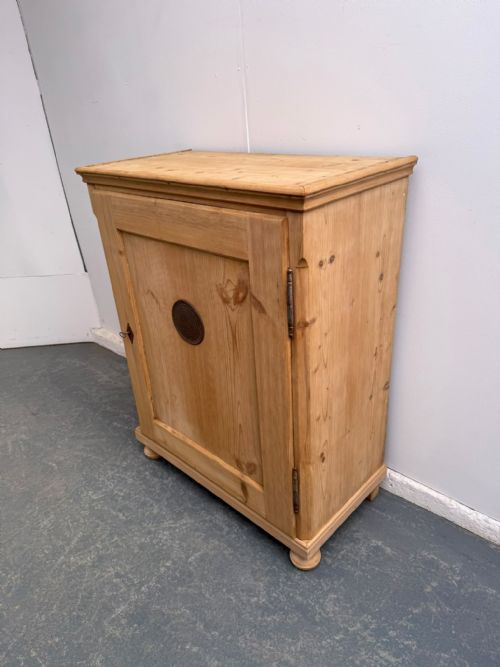
An old paint box encompasses various pine and wood storage containers, small boxes, and larger chests showing original or subsequent painted finishes. Buyers seeking an old paint box encounter items ranging from compact Hungarian small and large boxes to substantial storage chests and box settles.
The pieces on this page span several distinct periods including Georgian, Regency, and Victorian eras, alongside twentieth-century examples. Forms vary from simple lidded boxes and oak log chests to multi-seater benches incorporating storage compartments.
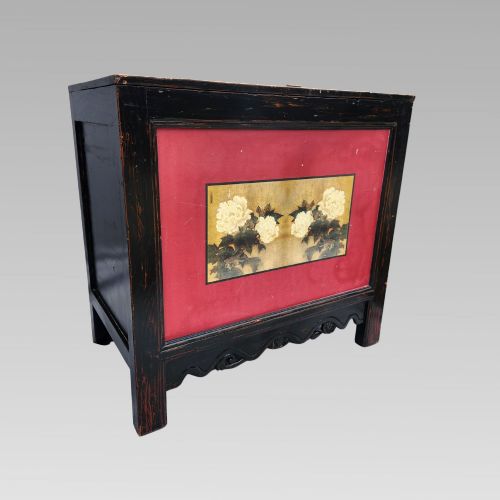
Geographical origins and stylistic traditions shape these objects, featuring Hungarian country pieces alongside Chinese black lacquer storage chests and European folk art variants. Pine serves as the predominant timber foundation beneath the surface decoration.
How they were made
Carpenters constructed these items using solid pine and oak, joining timbers with traditional methods suitable for everyday utility furniture. Iron and brass hardware such as hinges, handles, and straps fastened lids and secured corners.
Surface decoration relies on applied paint, pigment, and occasionally black lacquer with floral chinoiserie motifs. Many pieces retain original painted finishes or folk art detailing applied directly to the bare wood.
Old Paint Box Retail Price Guide 2026
Typical asking prices for old paint box among the pieces listed under this phrase on Sellingantiques today, from the lower quarter to the upper quarter. They describe what is for sale here now, not the wider market.
Several pieces double as multi-seater benches, proving that eighteenth-century carpenters knew the value of hiding clutter beneath a comfortable seat.
What varies in quality
The integrity of the original paint surface determines much of the visual character, distinguishing authentic weathered decoration from later overpainting. Surviving pigment with rich patination holds greater appeal than scrubbed or heavily restored surfaces.
Construction robustness in the underlying timber framework affects durability, particularly in larger items like box settles and blanket chests. Original ironwork and brass fittings that remain undisturbed add to the integrity of the piece.
The Old Paint Box Glossary
- Box settle
- A wooden bench featuring a high back and a lidded seat compartment underneath for storage. This form combines seating with practical domestic organisation.
- Chinoiserie
- European artistic interpretation of Chinese and East Asian decorative styles, commonly featuring lacquer and painted motifs. This aesthetic appears on imported storage chests.
- Patina
- The surface sheen and colour alteration developed by wood, paint, and metal through age and handling. A rich patina indicates long use and genuine age.
Old Paint Box: Frequently Asked Questions
What is an old paint box used for?
These boxes serve primarily as practical storage containers for household items while adding decorative visual texture to an interior space.
Larger variants such as chests and box settles double as functional seating and deep storage receptacles in hallways or living rooms.
How do I identify a Victorian piece?
Victorian examples often employ solid pine construction combined with specific vernacular styles like Hungarian country or British country folk art.
Details such as original grey paint finishes, vented cupboard doors, and robust iron hardware help distinguish pieces from this period.
Are the painted finishes original?
Many listings specify whether the paint surface is original, dating back to the Georgian, Regency, or Victorian periods of manufacture.
Examining the depth of the pigment, wear patterns around handles, and the interaction between the paint and the underlying pine reveals clues about its age.
How should I care for old painted wood?
Maintain painted pine and lacquer surfaces by keeping them away from direct sunlight and excessive moisture fluctuations.
Dust gently with a soft dry cloth and avoid harsh chemical cleaners that might strip the historic pigment or wax.