






Old Mine Cut Engagement Ring
An old mine cut engagement ring brings hand-cut charm and deep candlelight sparkle to the finger.
Old Mine Cut Engagement Ring
An old mine cut engagement ring represents a style of hand-faceted diamond jewellery spanning the Victorian, Edwardian, and Art Deco periods, extending into the mid-twentieth century.
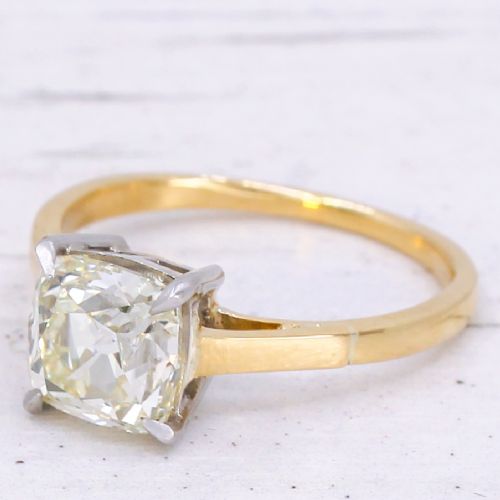
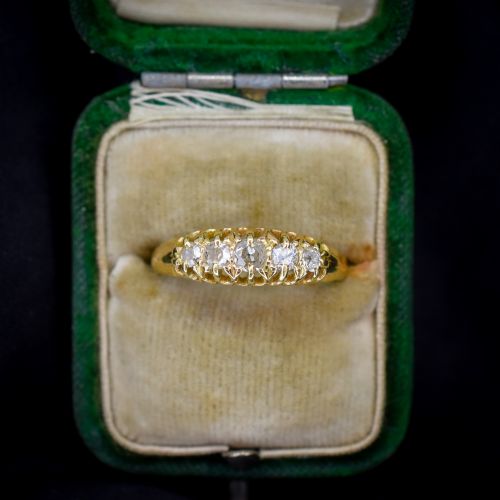
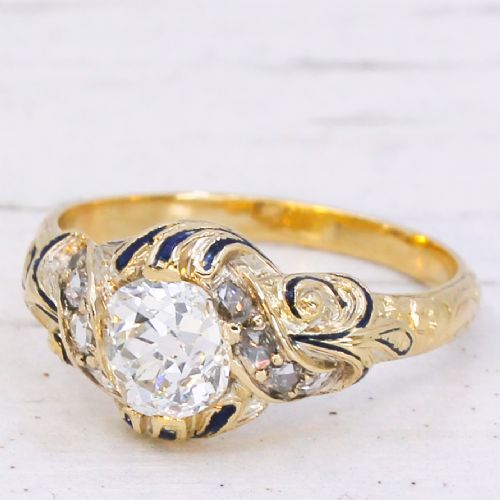
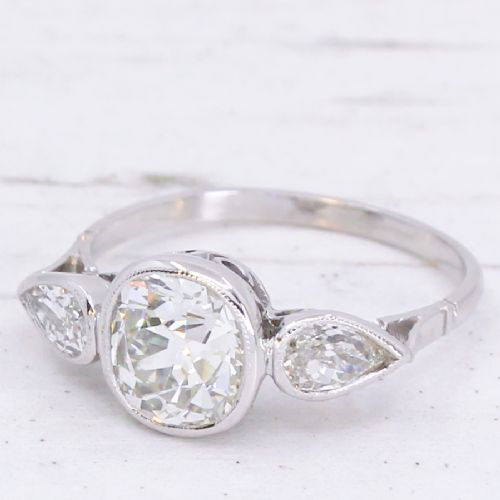
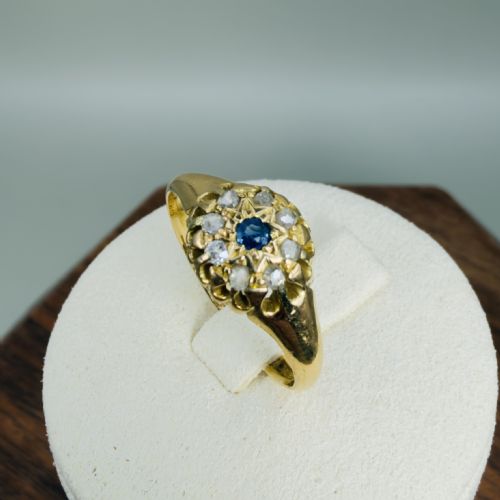
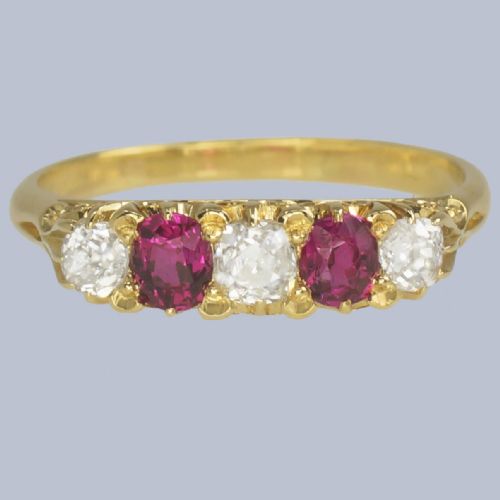
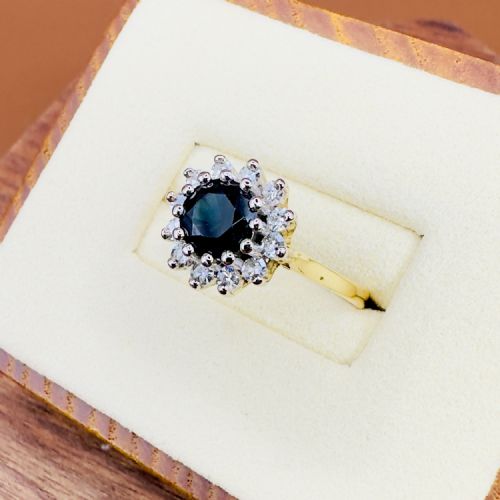
When exploring an old mine cut engagement ring on this page, you encounter forms ranging from simple solitaires in yellow gold to intricate platinum-topped cluster rings and five-stone carved half hoops.
Makers across these eras paired cushion-shaped diamonds with rubies, sapphires, pearls, and enamel, mounted in eighteen-carat gold.
Materials and construction
Goldsmiths shaped mountings primarily in eighteen-carat yellow and white gold, alongside platinum, utilising durable settings that secure hand-cut stones.
Diamonds feature high crowns, small tables, and open culets, cut by hand under magnification to maximise brilliance in candlelight rather than electric light.
Old Mine Cut Engagement Ring Retail Price Guide 2026
Typical asking prices for old mine cut engagement ring among the pieces listed under this phrase on Sellingantiques today, from the lower quarter to the upper quarter. They describe what is for sale here now, not the wider market.
These diamonds were shaped by eye to glow warmly by candlelight long before electric bulbs existed.
Judging quality
Quality rests upon the symmetry of the hand-cut facets and the preservation of the original stone proportions within its historical mount.
The harmony between the central diamond and surrounding gems, such as natural sapphires or rubies, dictates the overall refinement of the piece.
The Old Mine Cut Engagement Ring Glossary
- Old mine cut
- A vintage diamond cutting style characterised by a near-square or cushion outline, a high crown, and a small table. This facet arrangement creates a distinctive soft sparkle.
- Culet
- The small flat facet at the bottom of a gemstone. Older stones often feature a visible open culet when viewed from the dial.
- Cluster ring
- A ring design featuring a central stone encircled by a border of smaller gemstones. This layout maximises visual impact and colour contrast.
- Half hoop
- A ring setting where stones are arranged in a continuous row across the upper arc of the band. These often alternate diamonds with coloured gems like rubies.
Old Mine Cut Engagement Ring: Frequently Asked Questions
How do I date an old mine cut ring?
Dating relies upon mounting styles, metal combinations, and hallmark evidence found inside the band. Victorian pieces often use yellow gold settings, while later Edwardian and Art Deco examples favour platinum.
Changes in claw shapes and gallery work further help distinguish an eighteen-nineties cluster from a nineteen-twenties design.
Can I wear an old mine cut ring daily?
These rings survived a century or more of wear, proving their structural resilience for daily life. Regular checks by a jeweller ensure the claws remain secure around the hand-cut stones.
Removing the ring during heavy manual tasks protects the gold work and prevents unnecessary impact on the antique facets.
What is the difference between old mine cut and old European cut?
Old mine cut diamonds typically display a squarish or cushion outline with a smaller table and steeper crown angles. Old European cut diamonds developed later with a rounder perimeter and more standardised proportions.
Both styles utilise hand-cut facets designed to catch ambient light differently than modern brilliant cuts.
Are these rings made with recycled gold?
Antique rings utilise the precious metals and gemstones of their respective eras, predating modern mining methods. Eighteenth and nineteenth-century jewellers worked with gold alloys characteristic of their local workshops.
Every mounting reflects the metal availability and refining techniques of the period in which it was forged.