
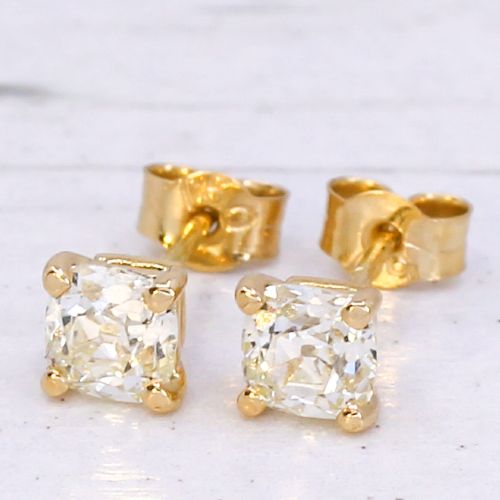
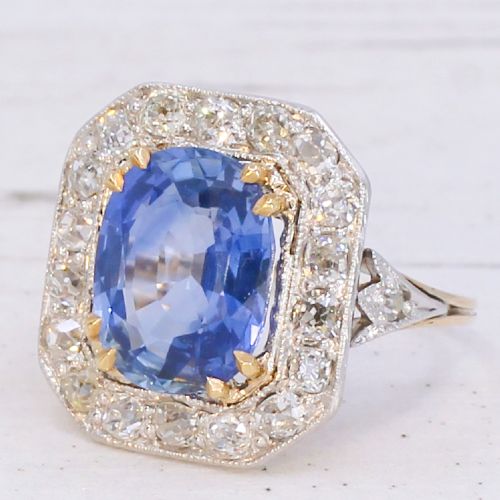
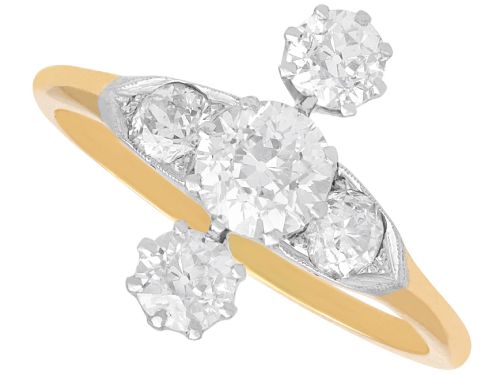
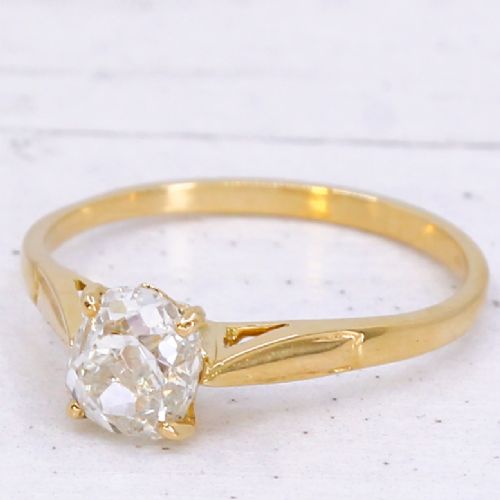
Old Cut Diamond Jewellery
Old cut diamond jewellery comprises rings, pendants, and brooches set with hand-faceted stones that capture candle and gaslight with a deep, warm sparkle.
Old Cut Diamond Jewellery
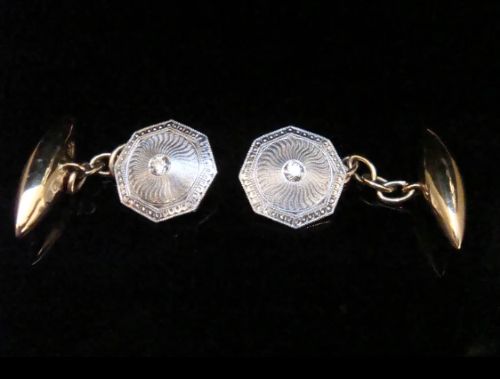
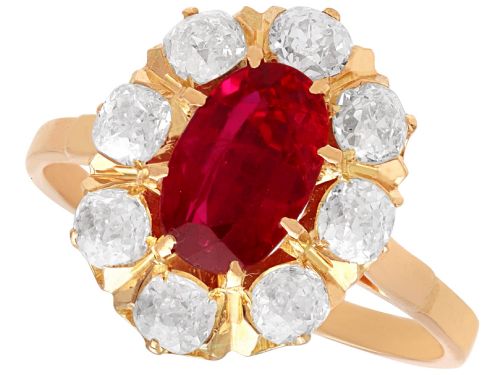
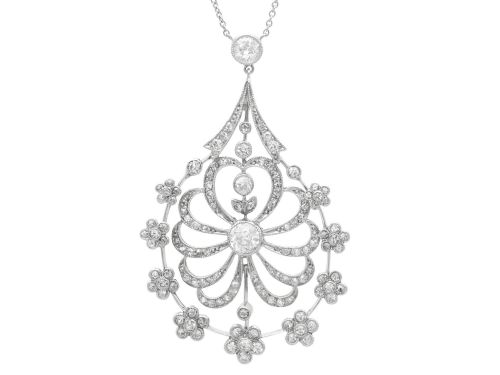
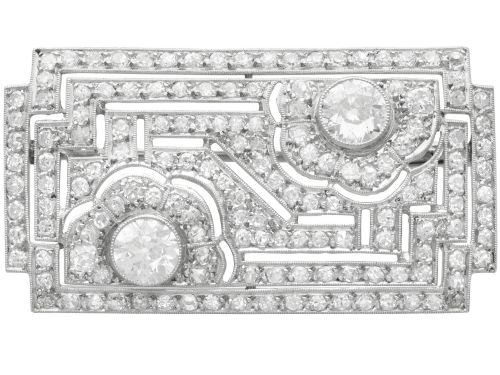
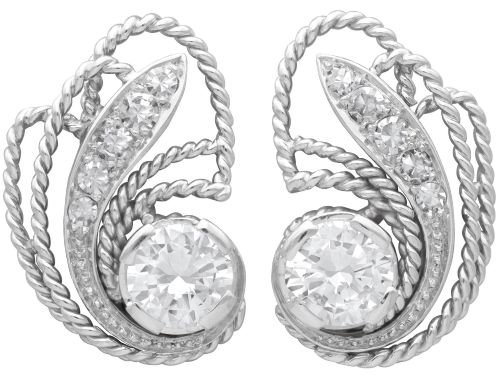
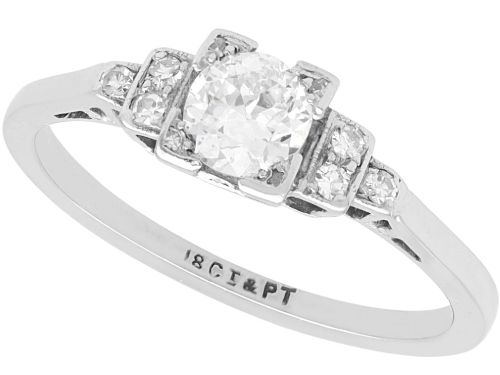
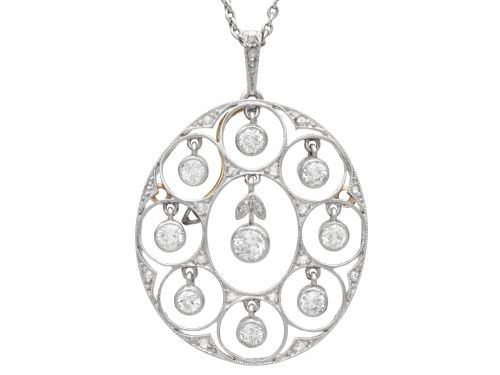
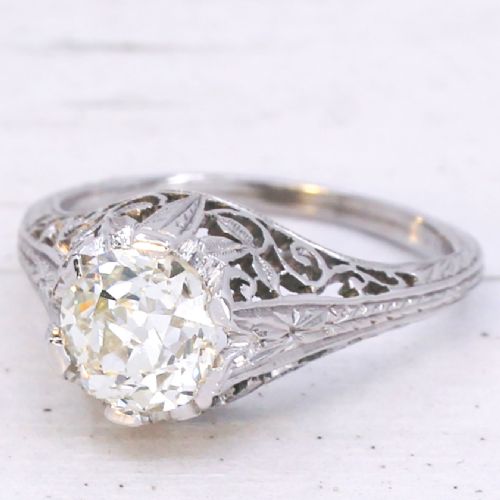
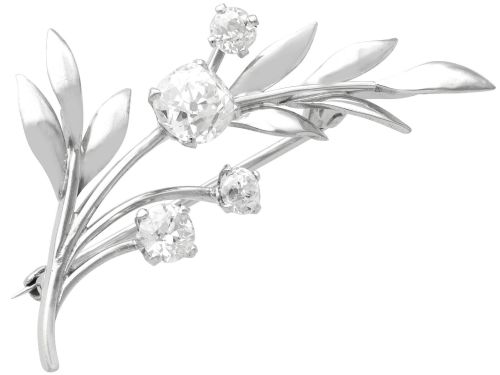
Old cut diamond jewellery encompasses rings, pendants, earrings, brooches, necklaces, cufflinks, bangles, and tiara rings originating from the late Victorian, Edwardian, Art Deco, and mid-century periods. These ornaments combine hand-faceted stones with settings in platinum, yellow gold, white gold, and rose gold.
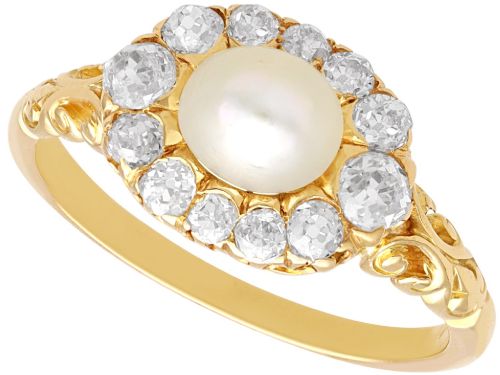
The selections most frequently encountered feature solitaire rings, cluster rings, and drop earrings. Gemstones such as rubies, sapphires, emeralds, and natural pearls frequently accompany the diamonds in these configurations.
Pieces span decades of stylistic shifts, moving from ornate floral and star motifs in the nineteenth century to geometric platinum mountings in the twentieth century. Each item reflects the hand craftsmanship of its specific decade of production.
How they were made
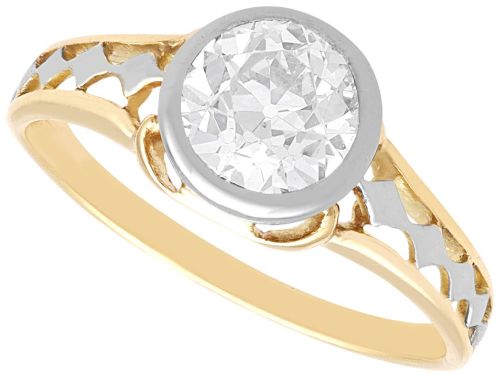
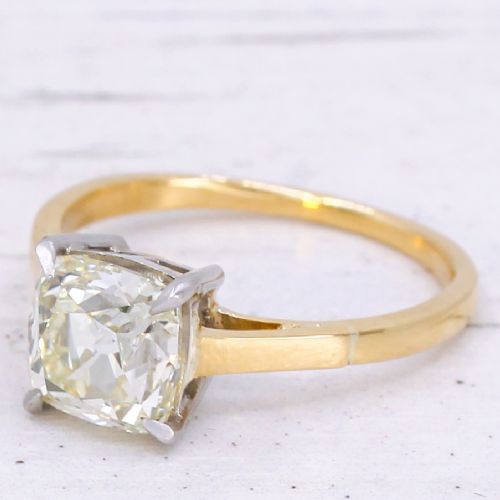
Goldsmiths shaped mountings using 18ct yellow gold, 18ct white gold, rose gold, and durable platinum, often combining gold bands with platinum heads to securely hold stones. Metals were cast, forged, and hand-finished to create robust settings such as rubover, gypsy, and cluster configurations.
Diamonds received their facets by hand rather than via automated machinery, resulting in characteristic proportions including high crowns, small tables, and open culets. Artisans also integrated calibre-cut rubies, sapphires, and emeralds alongside natural pearls using precise bezel and claw techniques.
Listings span multiple eras from the late Victorian period through the 1940s, uniting platinum, yellow gold, and diamonds.
What varies in quality
The harmony between the hand-cut diamond and its metal mounting dictates overall excellence, where delicate millegrain work and secure claw placement complement the stone rather than overpower it. Proportion and symmetry in early facet placement create distinct optical depth that distinguishes superior examples.
The integration of secondary gems, such as unheated sapphires or Burmese rubies, alongside the primary diamonds elevates the distinction of a piece. Preservation of original metal weight and untouched settings further separates exceptional survivals from altered items.
The Old Cut Diamond Jewellery Glossary
- Old cut
- A diamond facet style shaped by hand before modern symmetrical standards were established. These stones typically display smaller tables and deep pavilions.
- Culet
- The small flat facet at the bottom tip of an antique diamond. Hand-cut stones often feature a visible open culet.
- Rubover setting
- A mounting style where the metal edge is pushed or rubbed over the crown of the gemstone. This technique holds the stone securely within a smooth border.
- Gypsy setting
- A ring design where the gemstone is flush-set directly into a tapering metal band. This style was common in Victorian and Edwardian jewellery.
- Millegrain
- A decorative technique featuring a row of tiny raised metal beads along the edges of a setting. It adds a soft texture to platinum and gold mounts.
Old Cut Diamond Jewellery: Frequently Asked Questions
How do I care for antique jewellery?
Clean these pieces gently using warm water, mild soap, and a soft brush to remove everyday oils without damaging the delicate metalwork. Avoid harsh ultrasonic cleaners, which can loosen stones set in historic mountings.
Store items separately in soft pouches to prevent softer gold and platinum settings from scratching. Regular inspection by a specialist helps ensure claws and rubover mounts remain secure.
Can I wear these rings daily?
Many people wear these historic rings every day, provided the settings are checked regularly for wear. Sturdy designs like gypsy and rubover settings offer extra protection for daily use.
More delicate floral clusters or high-prong mountings benefit from occasional removal during heavy manual tasks. Taking these simple precautions preserves the integrity of the antique gold and platinum.
What defines Edwardian style?
Edwardian items rely heavily on platinum mountings paired with intricate piercing and fine millegrain decoration. This period favoured light, airy designs that mirrored lace and floral garlands.
Diamonds set during this era were frequently paired with pearls and sapphires. The resulting aesthetic remains distinct from the bolder geometric shapes of later decades.
How do I identify a Victorian piece?
Victorian examples often utilise 18ct yellow gold or rose gold rather than platinum. Common motifs include star settings, gypsy bands, and multi-stone cluster arrangements.
Stones from this era were set by hand into heavier metal bands. These construction traits help distinguish nineteenth-century work from twentieth-century revivals.