


Old Blanket Chest
An old blanket chest provides sturdy domestic storage, bringing rustic character and period warmth to a modern interior through timber and iron construction.
Old Blanket Chest
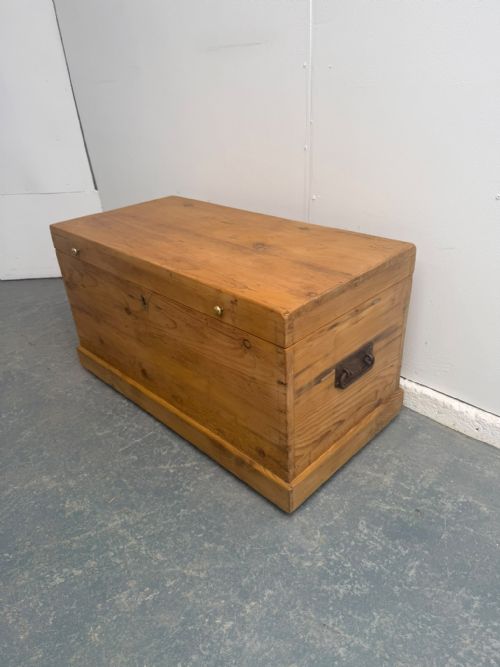
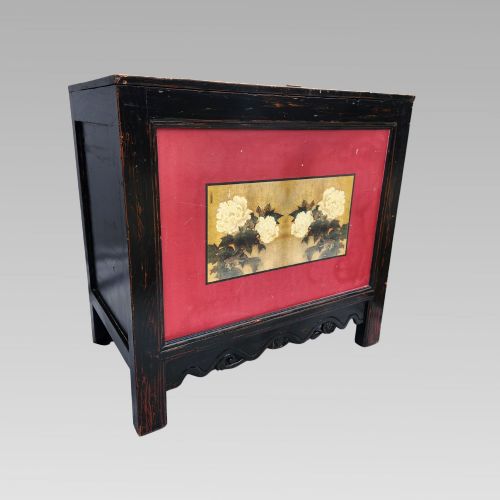
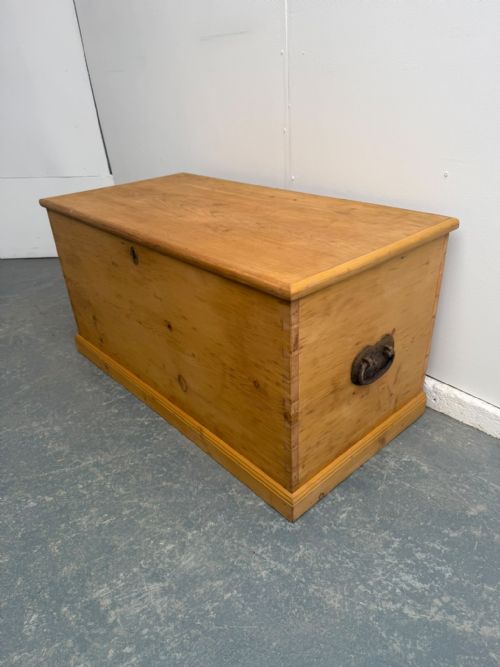
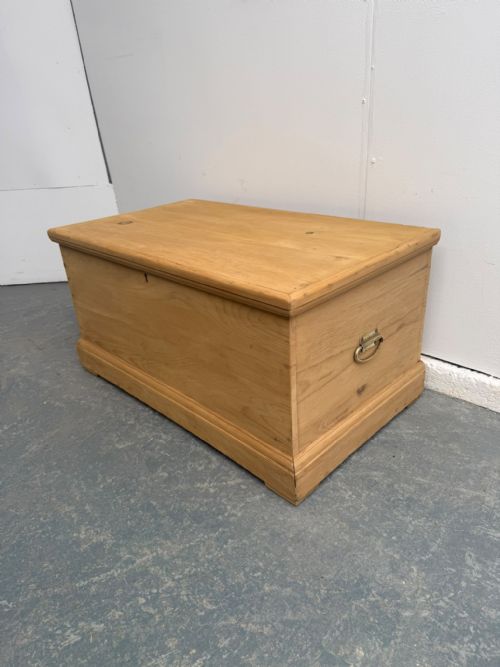
An old blanket chest appears in forms ranging from plain waxed pine to painted Hungarian storage boxes and lacquer trunk designs. Buyers seeking an old blanket chest encounter robust domestic containers built for heavy storage, often adapted into coffee tables or TV stands.
The material palette centres on pine, oak, iron, and brass, spanning periods from the Georgian era through Victorian times to the early twentieth century. Styles encompass folk art, rustic country, and traditional Chinese aesthetics, showing regional origins in Britain, Hungary, and beyond.
Many examples include practical internal configurations, such as fitted drawers or mule chest layouts with base storage. Dome top trunks and low wide coffee table variants demonstrate how these utilitarian items adapt to contemporary domestic use.
Construction and materials
Makers utilised solid timbers primarily consisting of pine and oak, finished with wax, paint, lacquer, or pigment to protect the wood. Iron and brass fittings provide structural reinforcement and functional hardware such as hinges and handles.
Surface treatments vary from simple waxed patinations highlighting the grain to original folk art paintwork and floral chinoiserie decoration. Construction methods prioritise durability, resulting in sturdy boxes designed to withstand decades of heavy usage.
Object forms include standard blanket boxes, mule chests with drawers, dome top trunks, and pieces adapted as low coffee tables or TV stands.
Assessing quality and character
Quality rests upon the integrity of the timber, the preservation of original painted or waxed surfaces, and the survival of period hardware. Superior pieces display thoughtful proportions, such as well-integrated lower drawers on mule chests.
Desirable variations include original decorative schemes like Hungarian folk art painting or Chinese black lacquer rather than later refurbishment. The structural condition of the lid, base, and joints distinguishes standard utilitarian boxes from finer regional examples.
The Old Blanket Chest Glossary
- Mule chest
- A storage chest featuring one or more drawers beneath the main compartment. This form bridges the gap between a traditional blanket box and a chest of drawers.
- Muzak
- A term not used here; instead, consider mule chest.
- Folk art
- Decorative objects created by self-taught or local artisans within a traditional cultural style. Hungarian painted boxes provide clear examples of this regional tradition.
- Chinoiserie
- European interpretations of Chinese and East Asian artistic traditions, often seen on lacquer storage chests through floral motifs.
- Waxed pine
- Timber finished with protective wax to enhance the natural grain. This treatment appears frequently across Victorian and Georgian storage boxes.
Old Blanket Chest: Frequently Asked Questions
How are old chests used today?
These chests serve multiple functions in modern homes, acting as traditional blanket storage at the foot of a bed or as coffee tables in living spaces. Some low and wide variants function effectively as TV stands while concealing media equipment.
Their robust wooden construction makes them durable enough for daily domestic use. They provide substantial concealed storage while introducing historical character to a room.
What materials were used?
Pine and oak form the primary structural timbers for these pieces, often complemented by iron and brass hardware. Surfaces are finished with clear wax, pigment, paint, or black lacquer depending on the regional origin.
Folk art examples feature applied paintwork, while standard British pieces tend to display waxed timber grains. Metal hinges and handles reinforce the corners and lids for heavy handling.
How do I spot regional styles?
Regional styles appear through distinctive paintwork, construction methods, and decorative motifs. Hungarian boxes frequently display original painted floral decoration and specific vernacular proportions.
Chinese storage chests utilise black lacquer and chinoiserie details, separating them visually from British pine or oak pieces. Examining the finish and timber helps identify the geographical background.