



Oil Portrait of Cow
An oil portrait of cow brings the quiet dignity of the pastoral landscape straight into the interior.
Oil Portrait of Cow
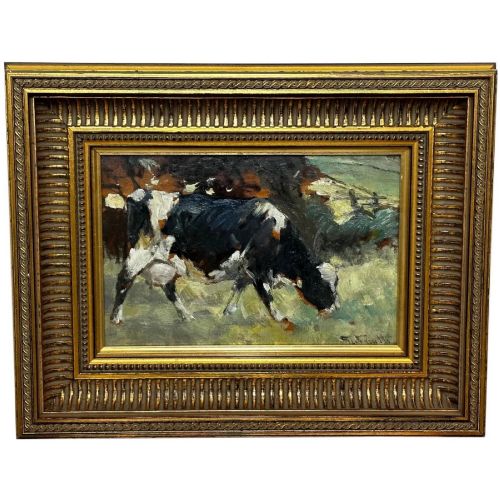
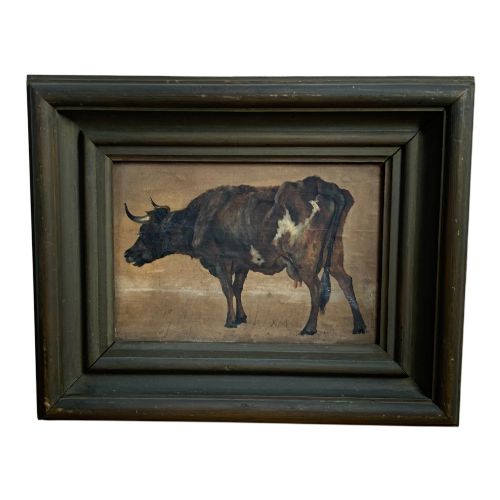
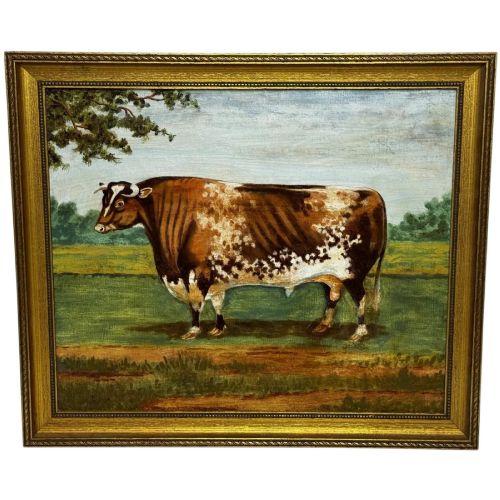
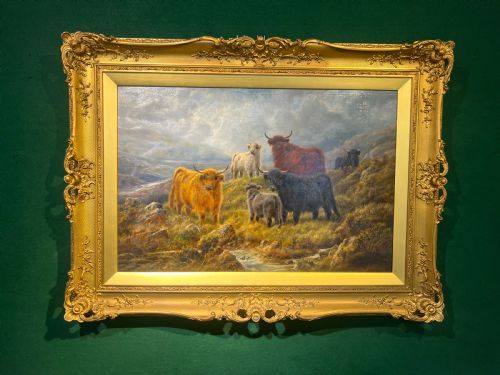
When you search for an oil portrait of cow, you encounter canvas works depicting cattle from the nineteenth and early twentieth centuries. These pieces record prized shorthorns, Highland beasts, and dairy herds with a directness that reflects rural life.
The examples most commonly met on this page date from the Victorian and Edwardian periods, often framed in giltwood or simple wood. They range from naive folk art interpretations to accomplished works by named British and Scottish artists.
Materials and methods
These works rely on oil paint applied to canvas, capturing the texture of animal hides and the light of pastures. Canvas stretched over wooden frames provides the standard support for the pigment.
Many of these paintings retain their original giltwood, gilt, or plaster frames, which often show period ornamentation that complements the rural subject matter.
Oil Portrait of Cow Retail Price Guide 2026
Typical asking prices for oil portrait of cow among the pieces listed under this phrase on Sellingantiques today, from the lower quarter to the upper quarter. They describe what is for sale here now, not the wider market.
The listings on this page span the nineteenth and early twentieth centuries, featuring oil on canvas works framed in wood, gilt, and giltwood.
Judging quality
Quality in these works rests upon the artist's ability to render the anatomy and individual character of the animal convincingly. Superior pieces display careful observation of muscle structure, light, and texture in the beast's coat.
The handling of the background and landscape context separates a more accomplished composition from a simpler naive recording. Original frames appropriate to the period also add to the integrity of the piece.
A M Gauci·Thomas Sidney Cooper·John W Morris·W A Clark·George Smith RSA·William Huggins
The Oil Portrait of Cow Glossary
- Canvas
- The woven fabric support, usually linen or cotton, stretched tightly across a wooden frame before painting begins. It forms the standard foundation for nineteenth-century oil paintings.
- Giltwood
- Wood carved and covered with a thin layer of gold leaf or gold paint. It frequently appears on the decorative frames enclosing these pastoral portraits.
- British School
- A term used to classify paintings produced by artists working in Britain. It groups together works sharing national artistic traditions without attributing them to a specific individual.
- Pastoral Realism
- An artistic style focusing on the realistic depiction of rural scenes and farm animals. It gained significant popularity during the Victorian era.
Oil Portrait of Cow: Frequently Asked Questions
What periods do these paintings date from?
The works on this page span the nineteenth century and the early twentieth century, including Victorian and Edwardian examples.
Dates are typically determined by the style of the painting, the framing materials, and recorded signatures or dates on the canvas.
How were these cattle portraits displayed originally?
Owners usually hung these canvases in country houses, farm offices, or drawing rooms to celebrate prized livestock and rural property.
They served both as decorative art and as evidence of successful agricultural breeding.
Are the frames original to the paintings?
Many pieces retain giltwood or wood frames contemporary with the creation of the canvas. Period framing enhances the historical context of the artwork.
Checking the fit and backing helps indicate whether a frame has belonged to the painting for a long duration.
How do I identify naive art versus academic work?
Naive pieces, often classed as folk art, feature simpler perspectives and direct, unpretentious handling of form and scale. Academic works show formal training in animal anatomy and landscape perspective.
Both styles hold distinct appeal depending on whether you prefer rural charm or formal realism.