
Oil Portrait Artwork
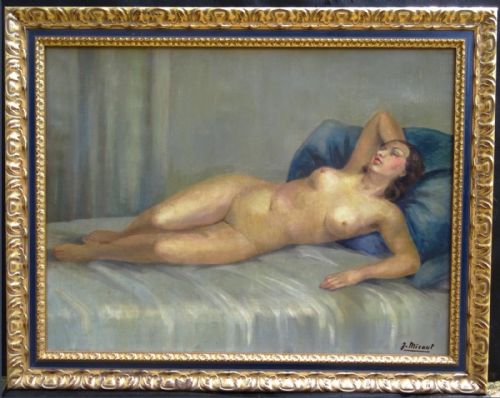
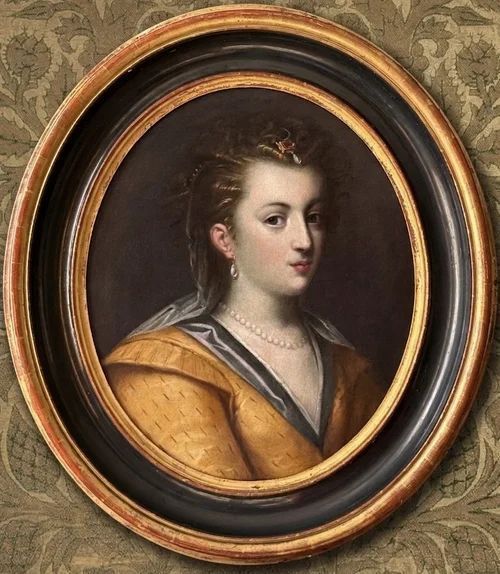
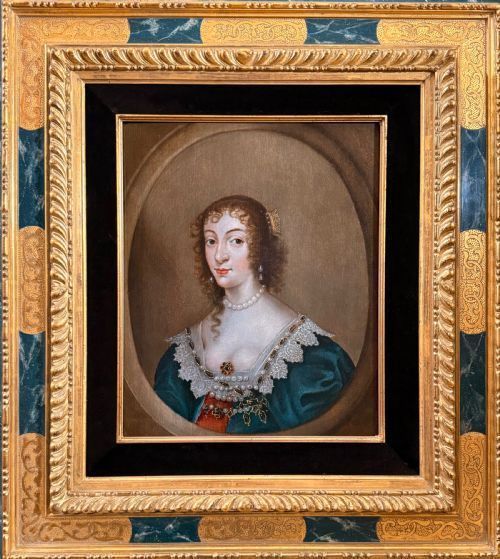
When you search for oil portrait artwork, you are exploring painted likenesses executed in oils across several centuries.
Oil Portrait Artwork
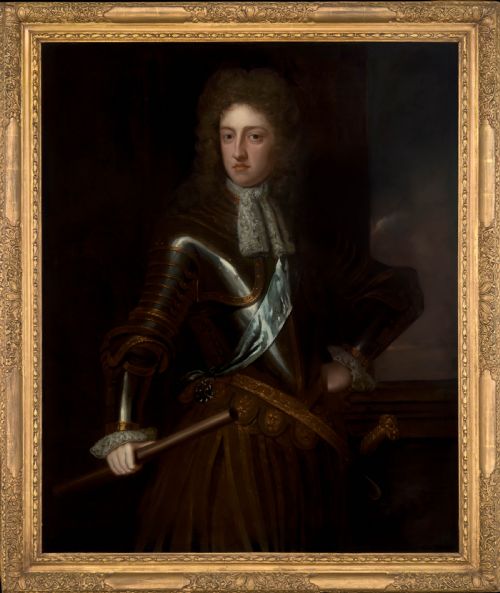
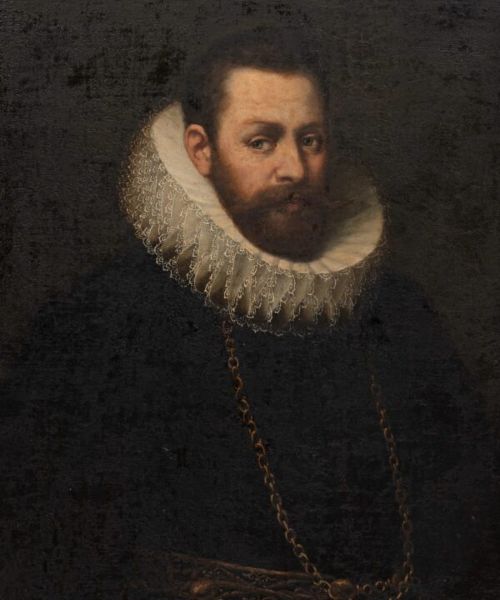
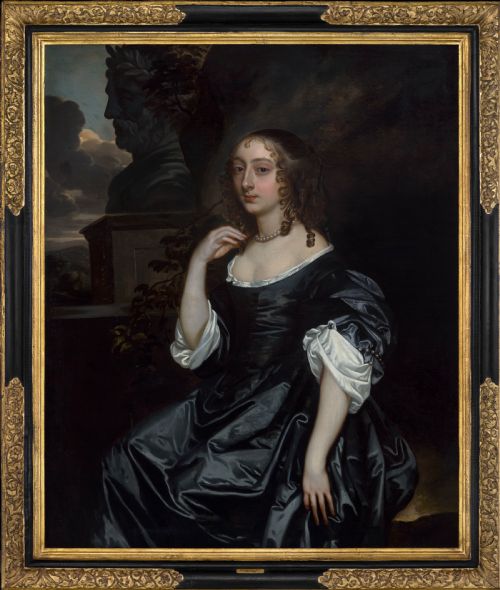
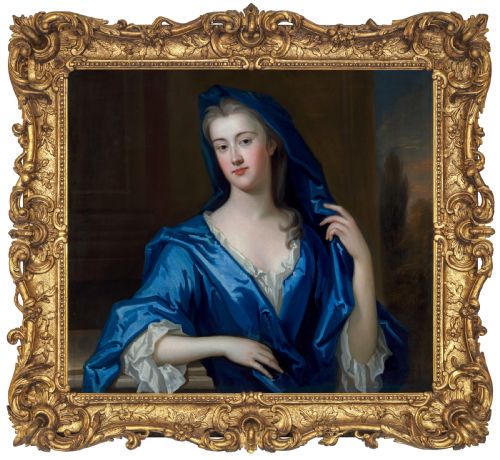
Oil portrait artwork encompasses painted likenesses spanning from the sixteenth century to the mid-twentieth century, including works from the seventeenth, eighteenth, and nineteenth centuries.
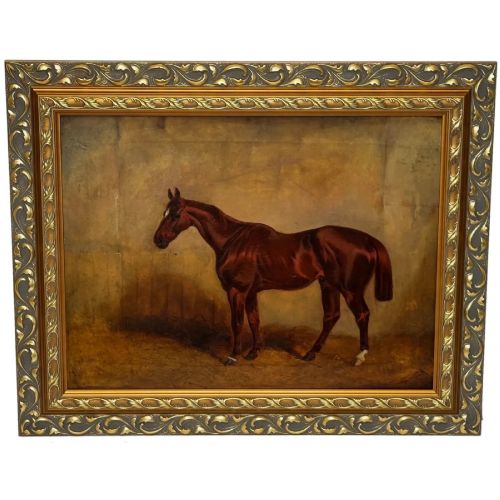
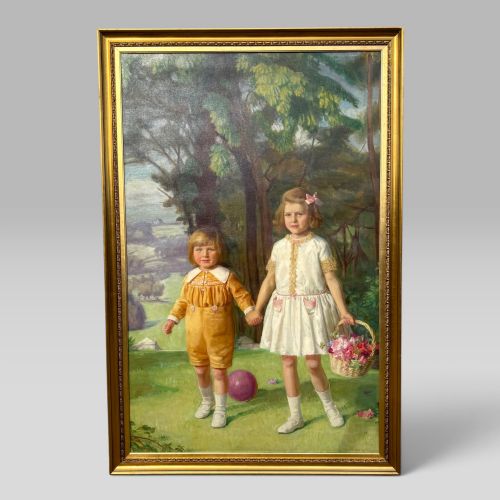
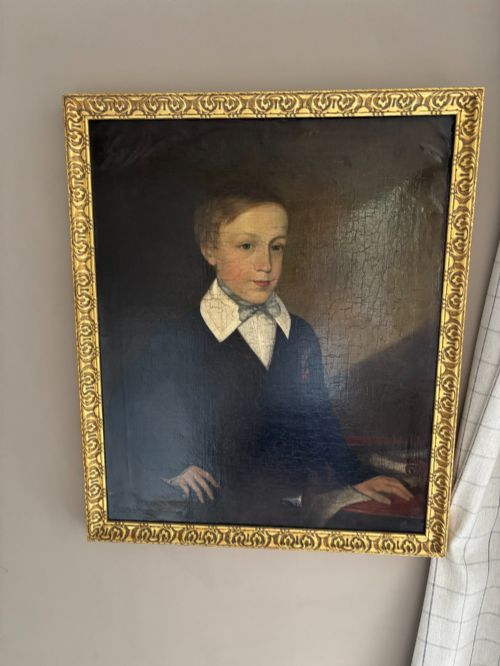
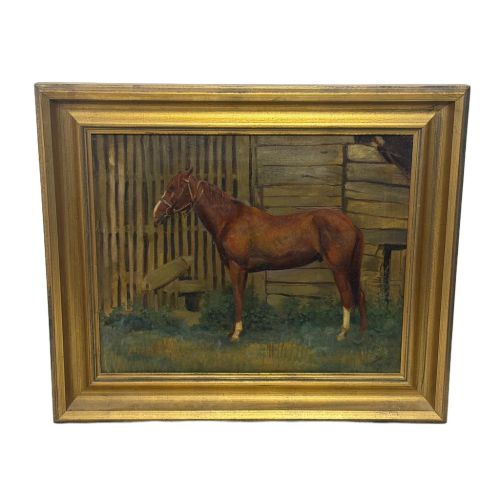
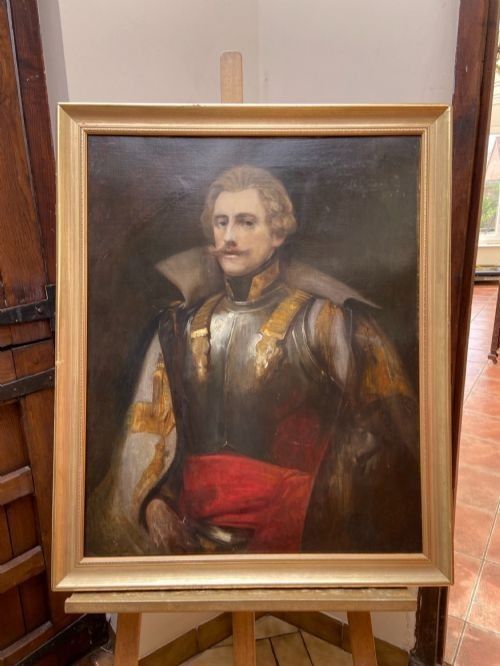
The selections range from formal depictions of nobility and military officers to intimate studies of scholars, children, and animals executed by various regional schools.
Buyers frequently encounter nineteenth-century canvases alongside seventeenth-century portraiture and later twentieth-century interpretations.
How They Were Made
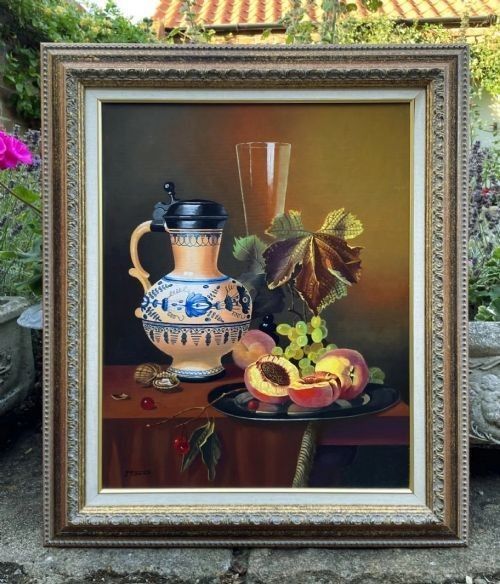
The works rely primarily on oil paint applied to canvas, wood panels, or vinyl canvas surfaces.
Framing often incorporates carved wood and giltwood or gilt finishes to complement the painted composition.
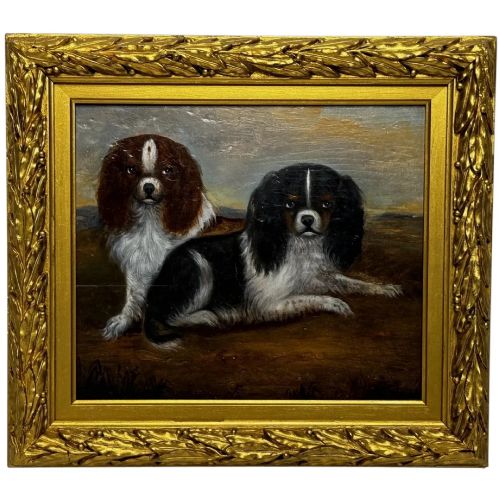
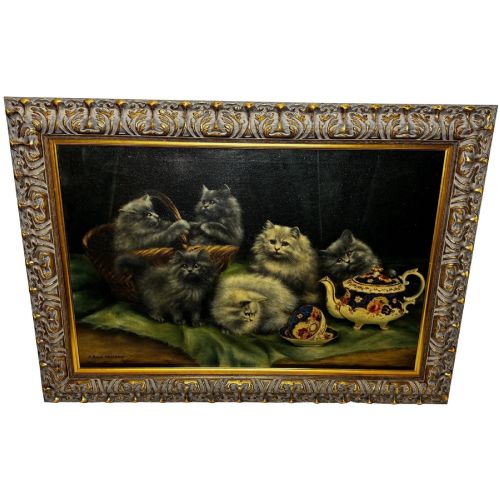
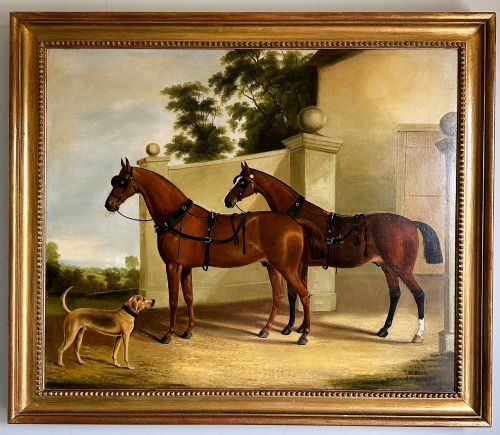
Several canvases record historical pets, including Persian cats, spaniels, and gundogs posing alongside their human counterparts.
What Varies in Quality
Attribution to specific schools, studios, or named artists influences the standing of a canvas within the broader range.
Sir Peter Lely·Lavinia Fontana·Van Dyck·Charles Jervas·Hyacinthe Rigaud·Thomas Murray·Thomas Beach·Sir Allan Ramsay
The Oil Portrait Artwork Glossary
- Oil on canvas
- A traditional painting medium where oil paints are applied to a stretched woven fabric support. This combination forms the basis of many historic portraits.
- Giltwood
- Wood that has been treated with a thin layer of gold leaf or gold paint. Frames utilising this finish frequently surround older paintings.
- School
- A grouping of artists working in a particular region, period, or under the direct influence of a master. Listings often reference specific European or British schools.
- Panel
- A solid flat piece of wood used as a rigid support for painting instead of fabric. Earlier works commonly utilise this material.
Oil Portrait Artwork: Frequently Asked Questions
How do I date an oil portrait?
Dating relies heavily on costume, hairstyle, and the stretcher construction of the canvas. Painters often utilised specific garments and periwigs that define a particular decade.
Secondary clues include the type of canvas weave and the framing materials employed during the period of creation.
What is the difference between studio and school works?
A studio piece typically originates from the active workplace of a master artist, often involving direct assistance or supervision. Works attributed to a school reflect the broader stylistic influence of a master or region rather than direct output.
Both categories provide insight into historical painting techniques and workshop practices.
Where should I hang an oil portrait?
Historic portraits require stable interior environments away from direct sunlight and excessive humidity. Placing them on internal walls helps protect both the canvas and the giltwood frame from temperature fluctuations.
Proper lighting enhances the rich tones of the oil paint without causing heat damage.
Can I identify the sitter in a portrait?
Identifying sitters depends on contemporary inscriptions, family provenance, or recorded coats of arms within the composition. Many historical subjects remain anonymous unless documented in exhibition records or estate inventories.
Researching the artist and the period can sometimes offer clues regarding the sitter's identity.