


Oil Painting Horse Scene
An oil painting horse scene captures the strength and character of equines through traditional brushwork.
Oil Painting Horse Scene
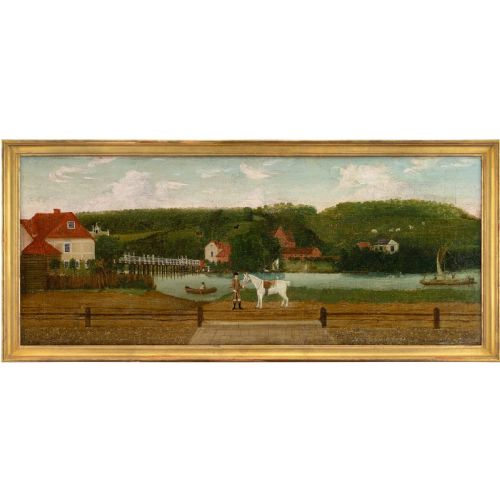
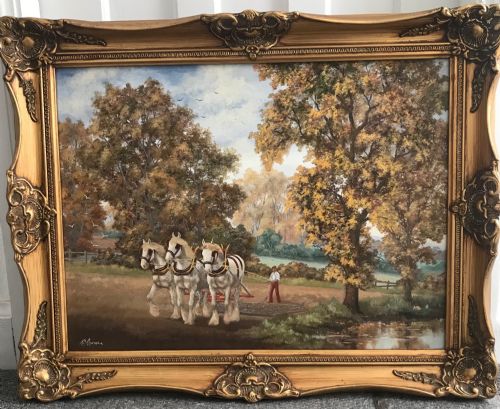
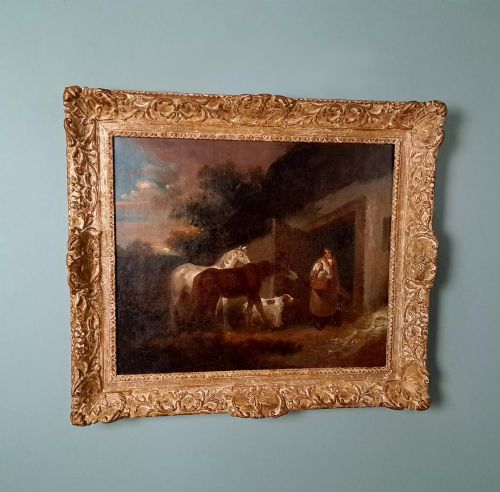
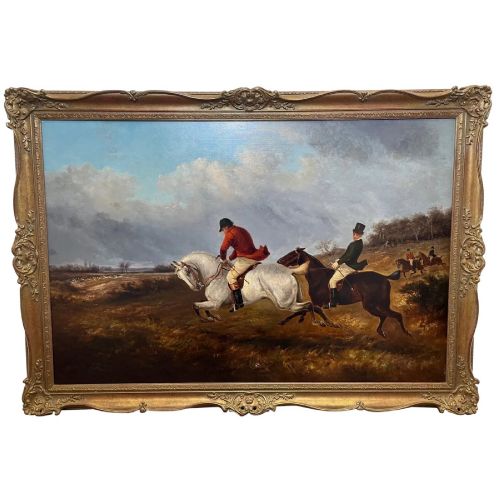
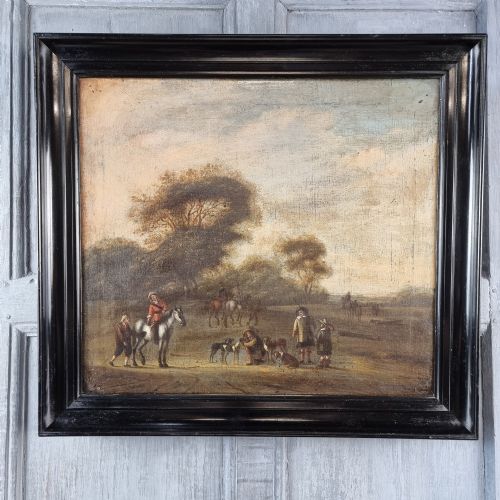
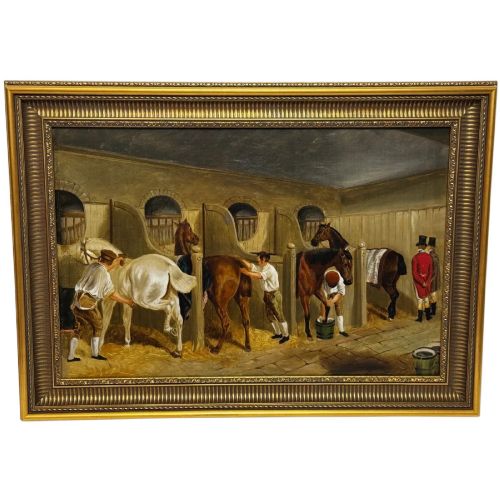
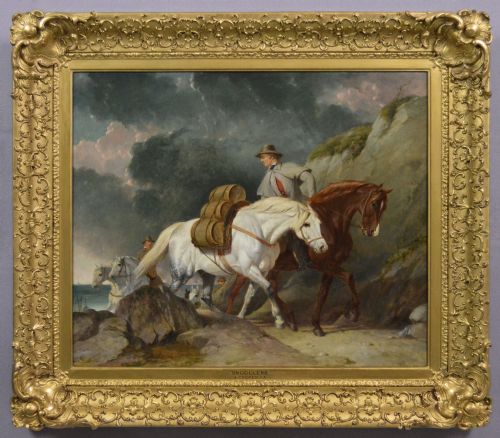
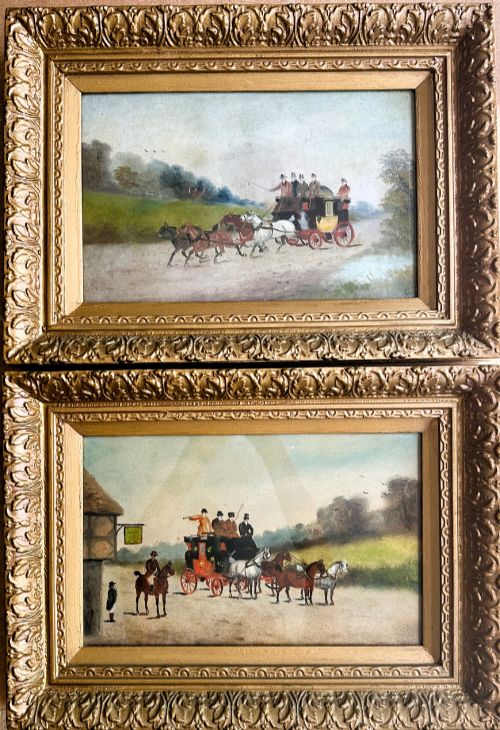
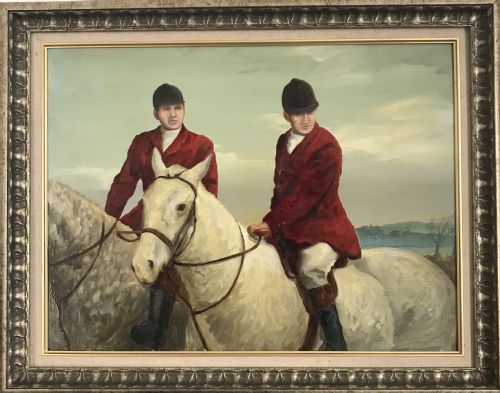
When searching for an oil painting horse scene, buyers encounter depictions ranging from pastoral farmyards and working shires to dynamic fox hunting and coaching encounters. These artworks reflect the deep integration of horses into rural and sporting life over past centuries.
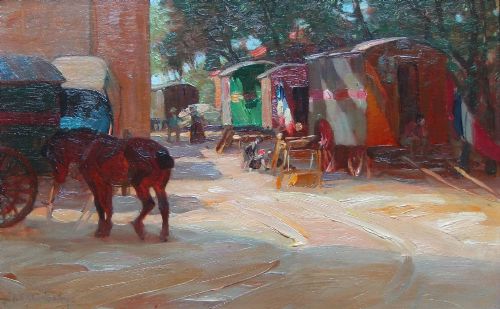
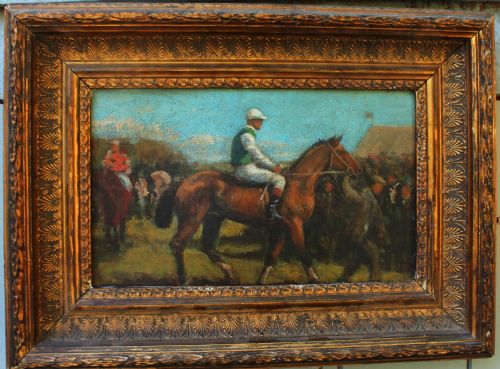
The pieces on this page span the nineteenth and twentieth centuries, encompassing Victorian sporting art, Edwardian coaching scenes, and French provincial realism. Common formats include individual equine portraits, bustling race paddocks, and panoramic landscape settings.
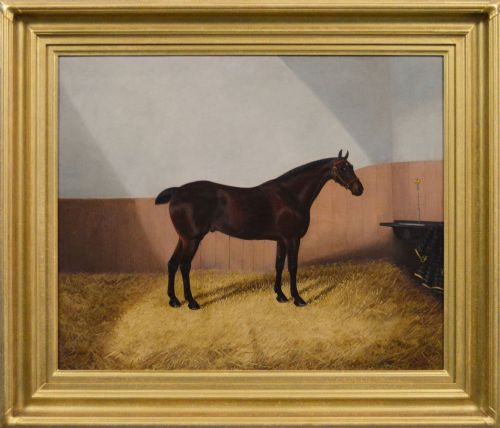
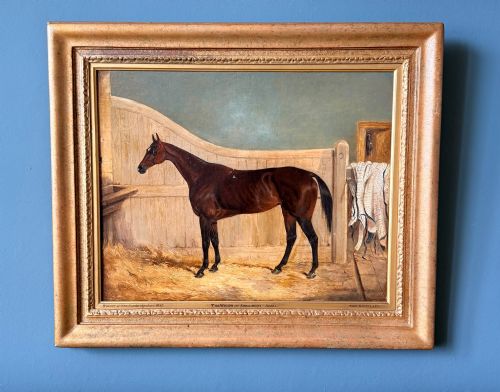
Subject matter varies widely from intimate stable studies of bay hunters to grand depictions of hunts and rural labour with carthorses. Each piece documents a specific era's aesthetic appreciation for equine form and movement.
Materials and technique
Artists typically applied oil paint directly onto stretched canvas or wood panels, utilising the medium's slow drying time to blend tones and build rich textures. This technique allowed painters to capture the sheen of a horse's coat and the play of light across open landscapes.
Many works retain their original gilt wood or giltwood frames, which provide structural support and complement the warm palette of the oil paint. The combination of durable canvas and quality wooden frames has ensured the survival of these detailed sporting and pastoral scenes.
The inventory records diverse genres including British impressionism, Victorian sporting art, and French provincial scenes.
Distinctions in quality
Quality in these works rests primarily upon the artist's anatomical accuracy in rendering the horse, the fluidity of brushwork, and the compositional harmony of the wider landscape or stable interior. Master painters achieve a lifelike vitality in the musculature and posture of the animal.
Provenance and attribution also elevate certain pieces, particularly those bearing signatures or originating from established sporting artists and regional schools. The sophistication of the surrounding framing and the preservation of the original oil paint further distinguish higher-tier examples.
William Joseph Shayer Senior·Thomas Smythe·Abraham Cooper·Albert Clark·Philip Rideout·Thomas Walker Bretland·Raimond Louis Lecourt·George Wright·Gabriel Dauchot·John Sanderson Wells·John Frederick Herring Jnr·Edward Lloyd of Ellesmere·George E Sharpe·Léon Joseph Voirin·John Linnell·Arthur Longley Vernon·Edward Brice Stanley Montefiore·Samuel Spode·Charles Faulkner·J C Grey·James William Booth·Edwin Frederic Holt·Gilbert Scott Wright·Edmund Bristow·Henri-Jean Chasselat
The Oil Painting Horse Scene Glossary
- Oil on Canvas
- Pigment mixed with drying oil applied to a woven fabric support. This combination forms the primary medium for the vast majority of historical paintings on this page.
- Giltwood
- Wood carved and covered with a thin layer of gold leaf or gilt. This material is standard for the decorative antique frames housing these artworks.
- Sporting Art
- Genre of fine art depicting rural sports, hunting, racing, and animals. It forms a major category among the equine paintings presented here.
- Wood Panel
- A flat wooden board utilised as a rigid support for oil paint. Panel paintings frequently appear among early nineteenth-century farmyard scenes.
Oil Painting Horse Scene: Frequently Asked Questions
How do I care for an oil painting horse scene?
Keep the canvas out of direct sunlight and away from rapid temperature shifts to prevent the oil paint from cracking. Dust the surface gently with a soft, dry brush without applying moisture or cleaning solutions.
Ensure the artwork hangs on a stable interior wall where humidity remains moderate. Professional conservators should handle any deeper cleaning or canvas repairs.
What subjects are common in these paintings?
Common subjects include fox hunting fields, coaching inns, working shires in farmyards, and calm stable portraits of bay hunters. Artists also depicted racecourses and rural labourers resting beneath oak trees.
These scenes reflect the central role horses played in transport, agriculture, and leisure during the Victorian and Edwardian eras.
How can I identify the period of the painting?
Examine the clothing of any figures, the style of the carriages, and the framing materials for chronological clues. Nineteenth-century works often feature detailed narrative realism, while later pieces lean towards impressionistic or expressive brushwork.
Signatures, dates inscribed on the canvas or stretcher, and historical artist records provide the most accurate dating.
Where should I hang a horse painting?
These works suit traditional reception rooms, studies, or hallways where their rich earth tones and gilt frames can complement classic interiors. Pair them with wooden furniture or period decor to echo the pastoral and sporting themes.
Avoid placing them above active fireplaces or in damp spaces such as unheated conservatories.