

Oil on Canvas Scene
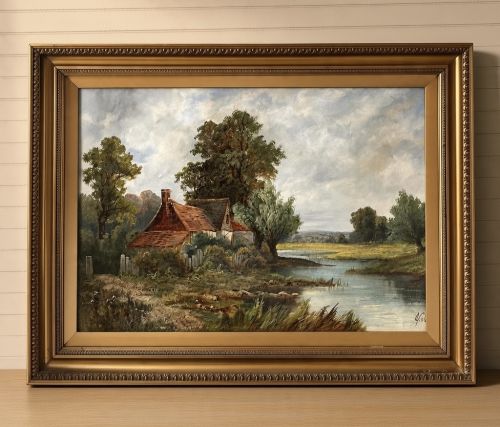
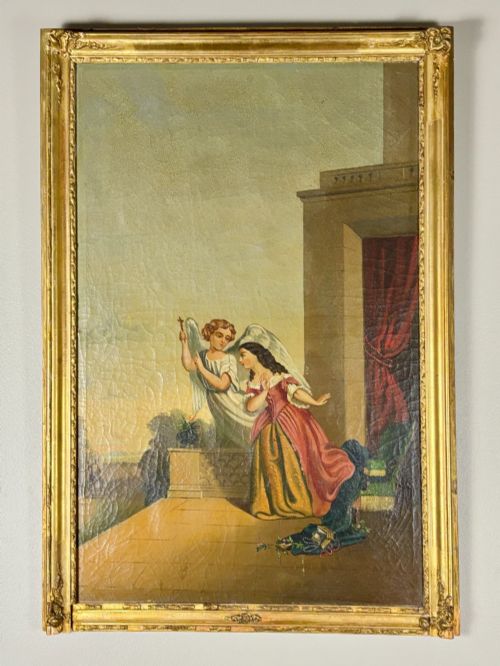
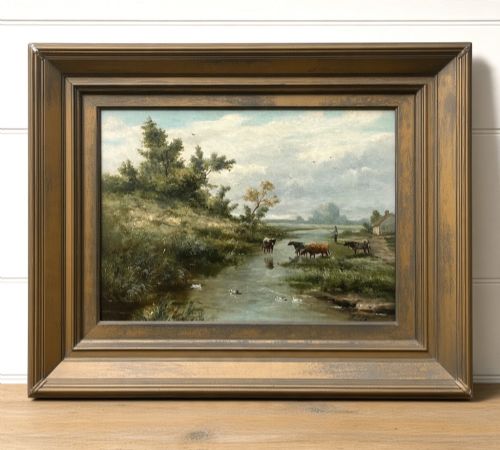
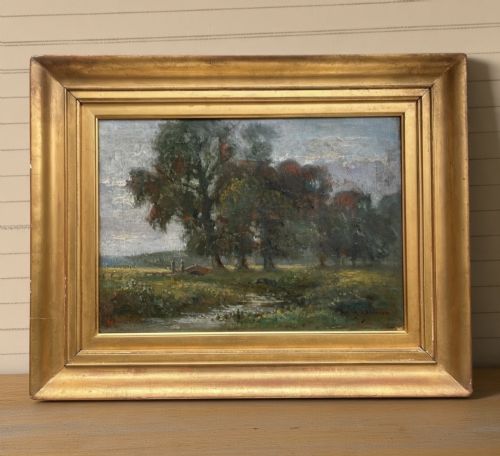
An oil on canvas scene brings the texture of brushwork and pigment straight to your wall, capturing landscapes, portraits, and narratives from centuries past.
Oil on Canvas Scene
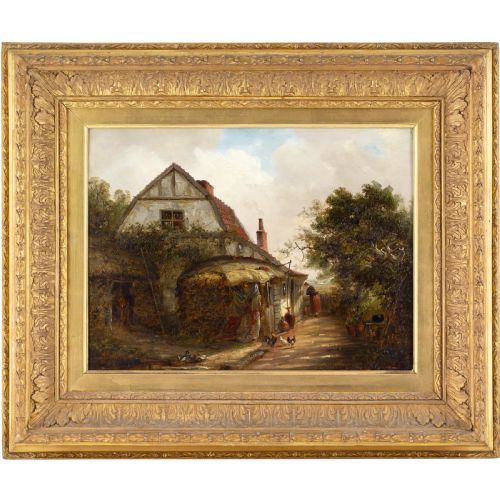
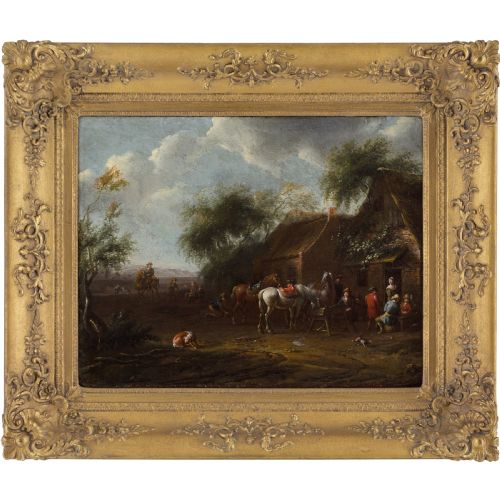
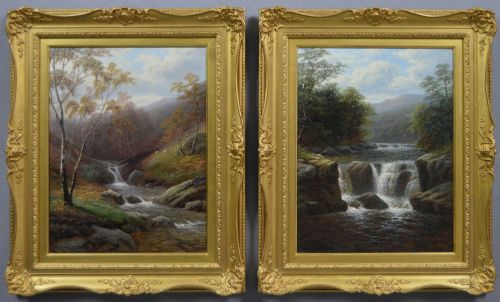
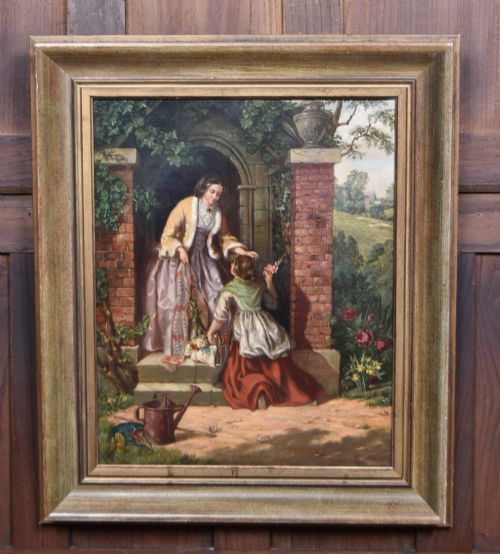
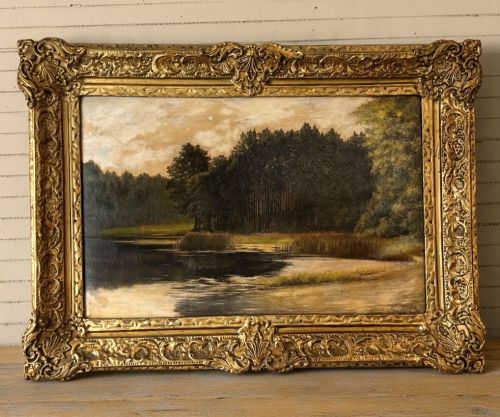
An oil on canvas scene represents a painted pictorial work executed with pigmented oil on a woven textile support. When you search for this phrase, you encounter everything from intimate pastoral watermills to large historical battle depictions.
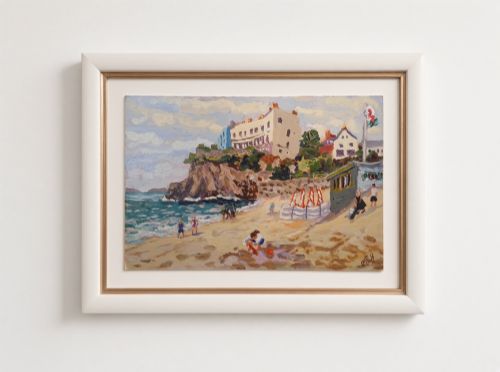
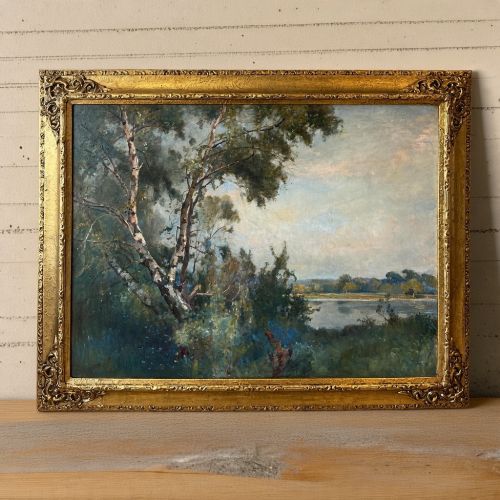
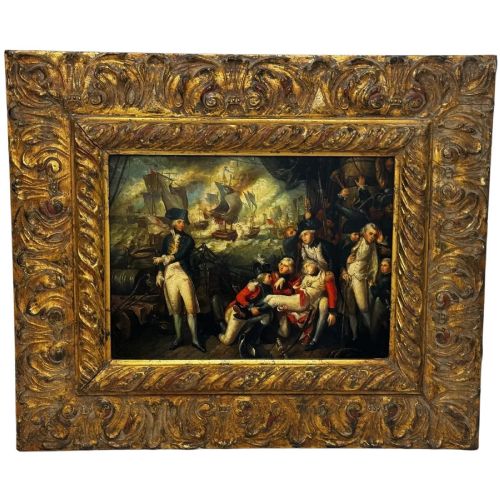
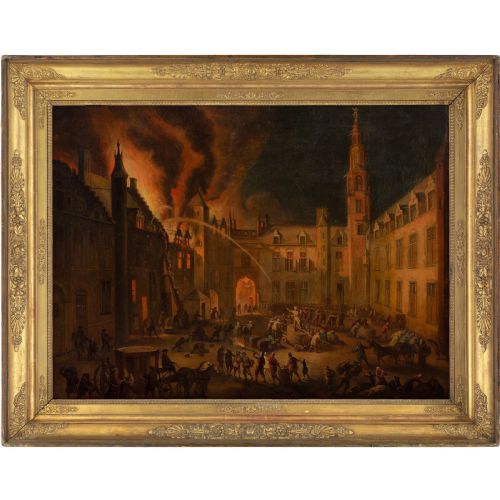
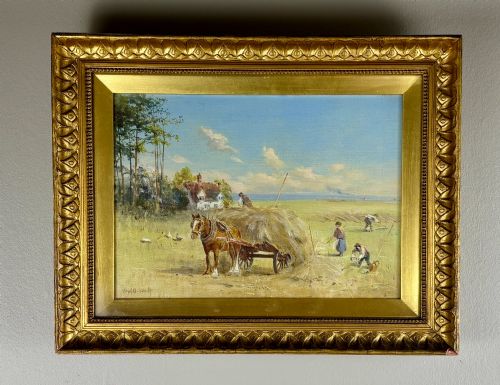
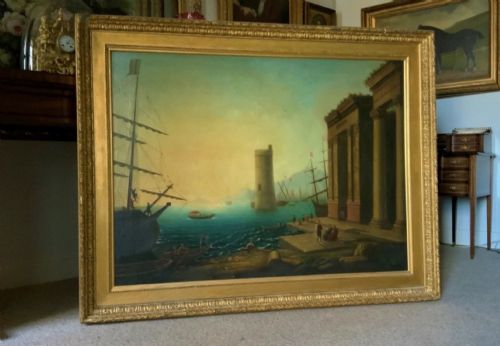
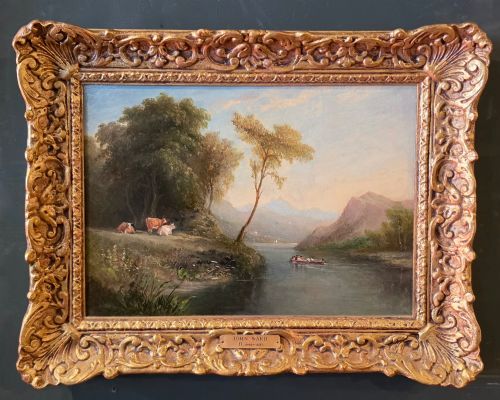
The selections span distinct periods, running from 17th-century Flemish works through Victorian and Edwardian canvases up to mid-century modern pieces. You will frequently find rural landscapes, maritime harbours, and genre scenes detailing everyday life.
Works originate from various British and European artistic traditions, including Dutch school compositions and Victorian realism. These pieces function primarily as wall art, capturing subjects ranging from quiet village fêtes to dramatic coastal views.
Materials and construction
Makers build these works using oil paint applied to stretched canvas supported by wooden frames. Artists often prepare the textile surface with gesso to create a stable ground for brushwork.
Many historical examples retain their original gilt wood or giltwood frames, which provide structural border containment and decorative presence. The physical interaction between oil paint and woven canvas allows for rich impasto textures and layered glazes.
Oil on Canvas Scene Retail Price Guide 2026
Typical asking prices for oil on canvas scene among the pieces listed under this phrase on Sellingantiques today, from the lower quarter to the upper quarter. They describe what is for sale here now, not the wider market.
The listings span multiple centuries, ranging from seventeenth-century Flemish school works to mid-century modern canvases.
Assessing quality in painted canvases
Quality rests upon the handling of light, anatomical precision, and the confidence of the brushwork across the composition. Masterful control of oil pigment creates convincing depth and atmospheric perspective within the depicted space.
The preservation of the original paint layer and canvas tension dictates the integrity of the piece over time. Frames also contribute to the overall standard, where period-appropriate gilt moulding enhances the visual weight of the painting.
Stanley Leader·Peggy de Brett·Robert Gallon·Pieter Cornelis Steenhouwer·Sir David Murray·Alonso Perez·Sushila Singh·Samuel Joseph Clark·Edward Holmes·William Manners·Matthieu Elias·Robert Alexander Hillingford·George Whitton Johnstone·Eugène Verboeckhoven
The Oil on Canvas Scene Glossary
- Canvas
- A heavy woven fabric, typically flax or linen, stretched across a wooden frame to serve as a painting surface. It provides the flexible yet durable foundation necessary for oil application.
- Impasto
- A technique where paint is laid onto a canvas in thick areas, making brush or palette-knife strokes visibly prominent. This method adds tangible physical relief and texture to the surface.
- Gesso
- A white paint mixture consisting of a binder mixed with chalk, gypsum, or pigment, used to prepare a canvas substrate. It seals the fabric fibres and creates a smooth working ground.
- Genre painting
- The pictorial representation of scenes from everyday life, depicting ordinary people engaged in common activities. These works focus on domestic interiors, market squares, and rural gatherings.
- Giltwood
- Wood that has been thinly coated with gold leaf or gold powder. It frequently surrounds antique paintings as part of the original framing.
Oil on Canvas Scene: Frequently Asked Questions
How do I care for an oil on canvas scene?
Keep the canvas away from direct sunlight and dramatic fluctuations in temperature or humidity to prevent the paint layer from cracking. Dust the surface very gently with a soft, dry brush, avoiding harsh cleaning agents entirely.
Ensure the wooden stretcher behind the canvas remains properly tensioned over the years. Professional conservators should handle any deep cleaning or structural repairs to the paint.
How can I tell a Victorian scene apart from a mid-century work?
Victorian examples frequently display detailed realism, romantic pastoral motifs, or formal portraiture with heavy varnish layers. The clothing, subject matter, and framing styles usually point directly to 19th-century conventions.
Mid-century pieces often embrace looser brushwork, different colour palettes, and modernist influences. Signatures, dates, and stretcher construction methods also help establish the correct era.
What subjects are most common in these works?
Landscapes and maritime views dominate the available selections, capturing rural life, coastal harbours, and agricultural scenes. Portraits, animal studies, and architectural gatherings also appear frequently across the periods.
These subjects reflect the shifting artistic interests of British and European painters from the seventeenth century through to the modern era.