


Oil on Board Art
Oil on board art brings together painters working across centuries on rigid supports, offering direct brushwork and enduring textures for your walls.
Oil on Board Art
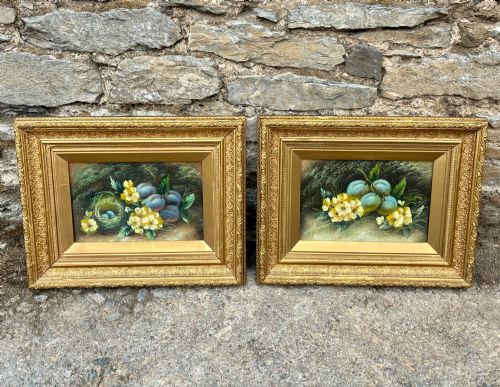
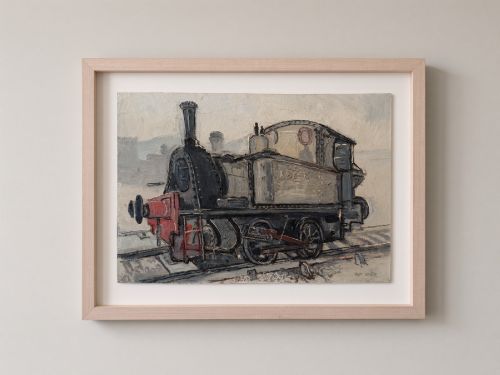
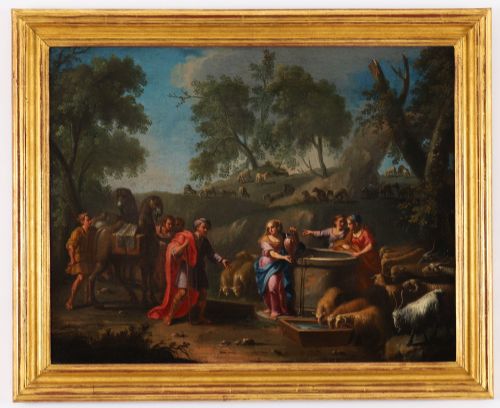
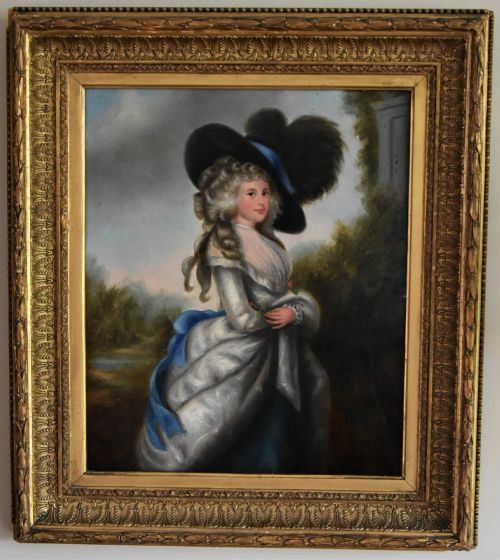
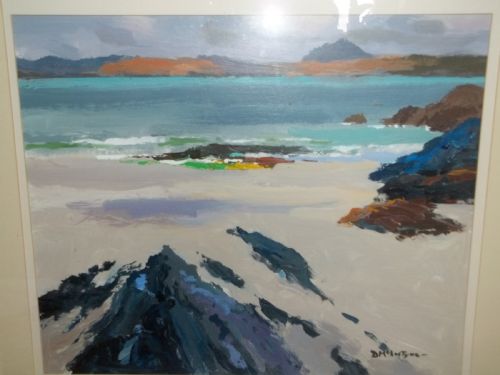
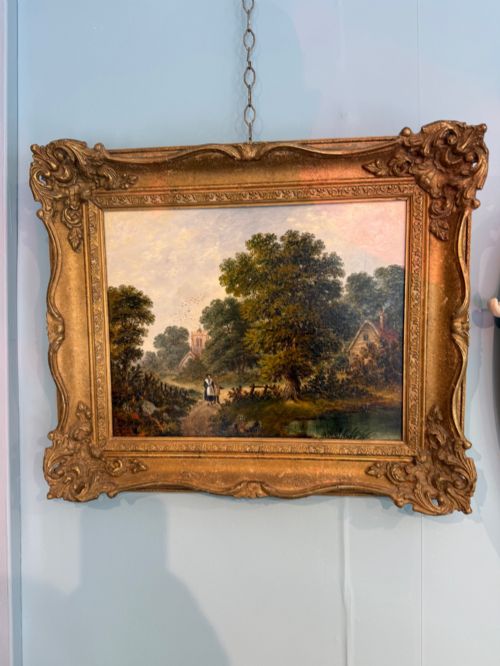
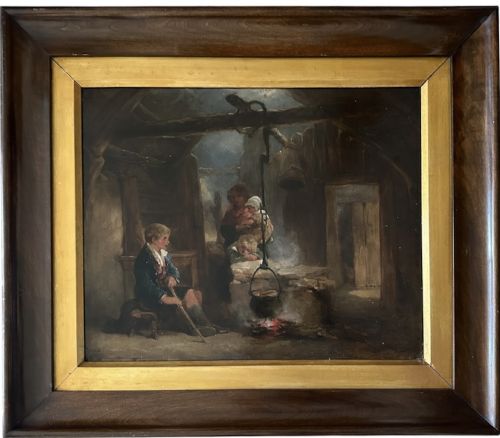
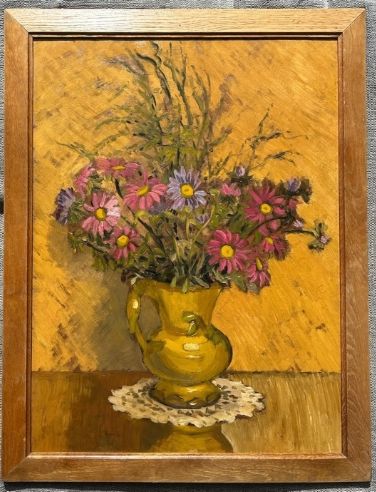
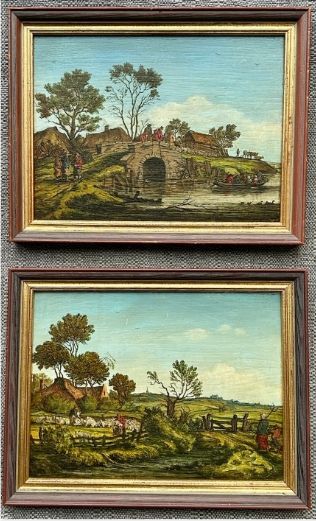
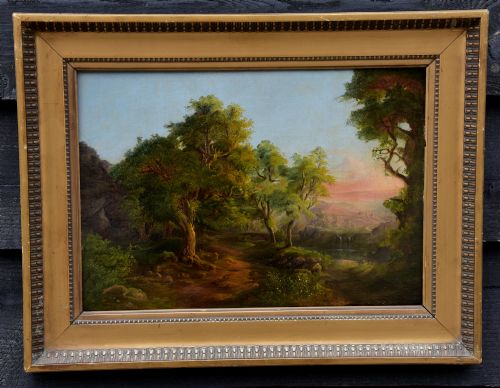
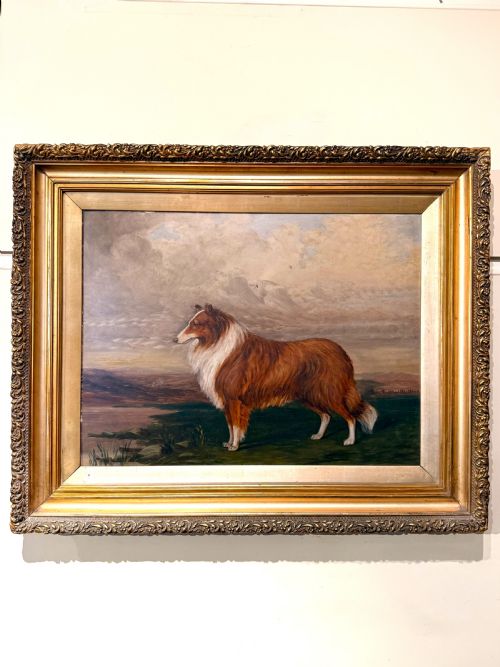
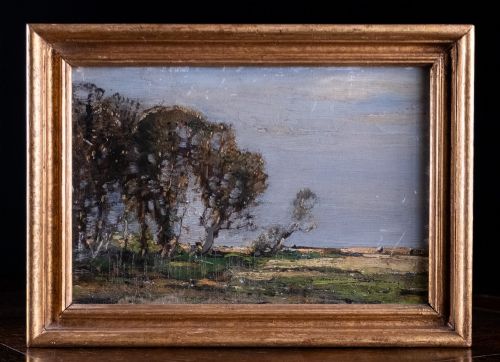
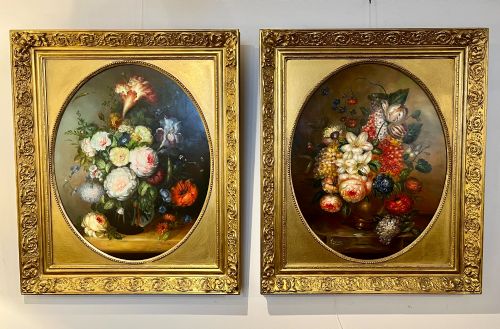
Oil on board art encompasses painted works executed on wood panels, thick card, or prepared board rather than stretched fabric. The selection ranges from nineteenth-century landscapes and portraits to mid-century modern townscapes and floral still lifes.
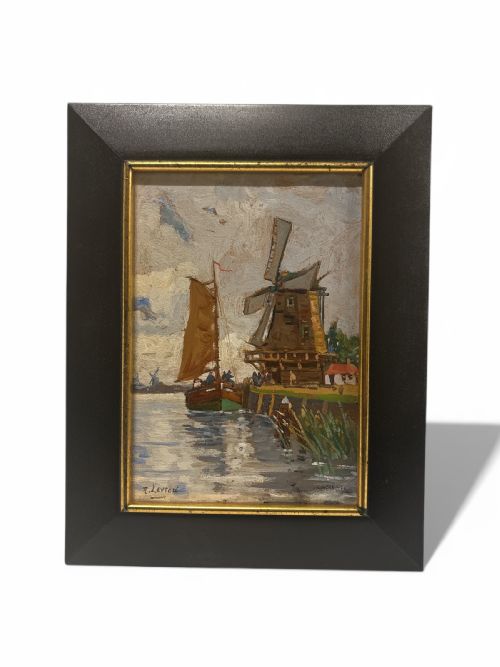
The versions most frequently met on this page span the nineteenth century through to the mid-twentieth century. You will encounter straightforward maritime views, intimate domestic portraits, and botanical studies created within British, European, and American traditions.
Materials and construction
Artists apply oil paint directly onto rigid supports such as wood panels, heavy board, or panels prepared with a gesso ground. This rigid base prevents the flexing and cracking associated with stretched canvas over time.
The application involves traditional brushwork, sometimes built up with thick impasto to create palpable surface texture. Painters then leave the wood or board exposed on the reverse, occasionally retaining period framing in gilt or plain wood.
The listings on this site feature oil on board art spanning from the early nineteenth century through the mid-twentieth century, including works on wood, card, and prepared board.
Qualities that distinguish the works
The strength of an oil on board painting relies on the confidence of the brushwork and the handling of light within the composition. A successful piece demonstrates deliberate control over pigment, where tone and colour describe form without relying on heavy preparatory drawing.
The integrity of the underlying support and the stability of the paint layer also define the standard of a piece. Works that retain their original surface without excessive overpaint or structural warping represent the higher end of the range.
Fred Yates·George Whitton Johnstone·Kenneth Cozens·Kershaw Schofield·Charles Houben·John Moore of Ipswich·Stuart Walton·Lilian Colbourn·Alexander Jamieson·Philip Rideout·T C Hofland
The Oil on Board Art Glossary
- Board
- A rigid flat support made from wood, card, or composite material used by painters as an alternative to canvas.
- Gesso
- A white paint mixture consisting of a binder mixed with chalk, gypsum, or pigment used to prepare a rigid panel for painting.
- Impasto
- Paint applied thickly to a surface, leaving brush or palette knife marks standing proud of the board.
- Panel
- A flat piece of wood or other rigid material that serves as the primary support for a painting.
Oil on Board Art: Frequently Asked Questions
What is oil on board art?
Oil on board art describes paintings created with oil-based pigments applied to rigid supports rather than woven fabric. Artists across the nineteenth and twentieth centuries favoured this medium for its stability and smooth working surface.
The resulting works range from small plein air sketches to finished portraits and landscapes. Because the support does not flex, the paint layer often survives with minimal cracking.
How do I hang and display these pieces?
Display oil on board art away from direct sunlight and sources of extreme heat to protect the wood support and pigment layers. Most pieces arrive framed and ready for wall mounting using standard picture wire.
Ensure the room maintains stable humidity levels to prevent any warping of the wooden panels or board substrates. Regular dusting with a dry, soft cloth keeps the surface clear without risking moisture damage.
How do I date an oil on board painting?
Dating relies on examining the style of the painting, the clothing or architecture depicted, and the physical characteristics of the board or panel. Signatures, inscriptions on the reverse, and framing styles offer further clues.
Twentieth-century works often use commercial composition board, while nineteenth-century examples typically employ solid wood panels or heavy millboard. Comparing the artist's recorded working dates helps confirm the period.
Why did artists paint on board instead of canvas?
Painting on board offered artists a portable, inexpensive, and immediately rigid surface that required no stretching. This made the format popular for outdoor sketching and rapid studies.
Many painters also preferred the smooth resistance of a solid panel over the springy bounce of stretched canvas. The durability of board made it practical for artists working on location.