



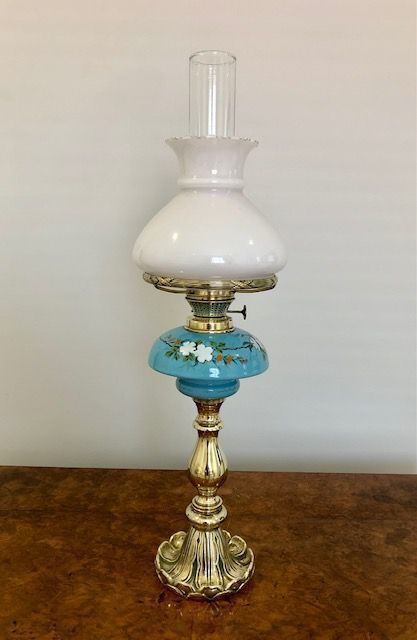
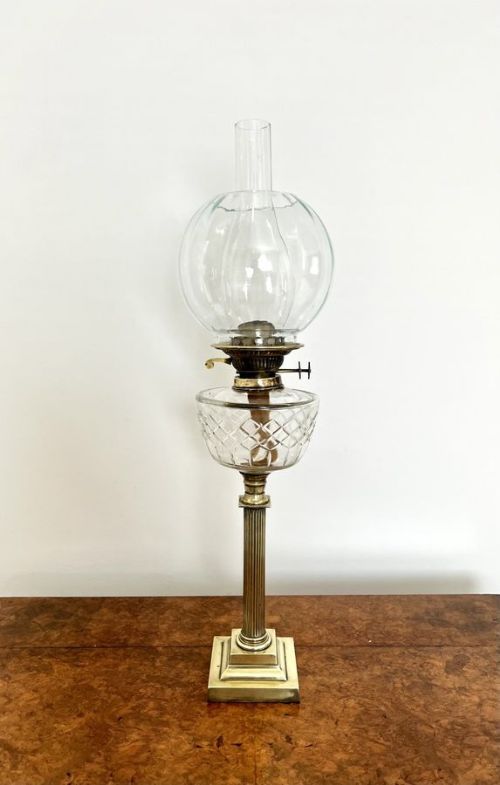


Oil Lamp Chimney
An oil lamp chimney is the vital glass cylinder that draws air and steadies the flame, and these pieces offer both functional history and period character.
Oil Lamp Chimney
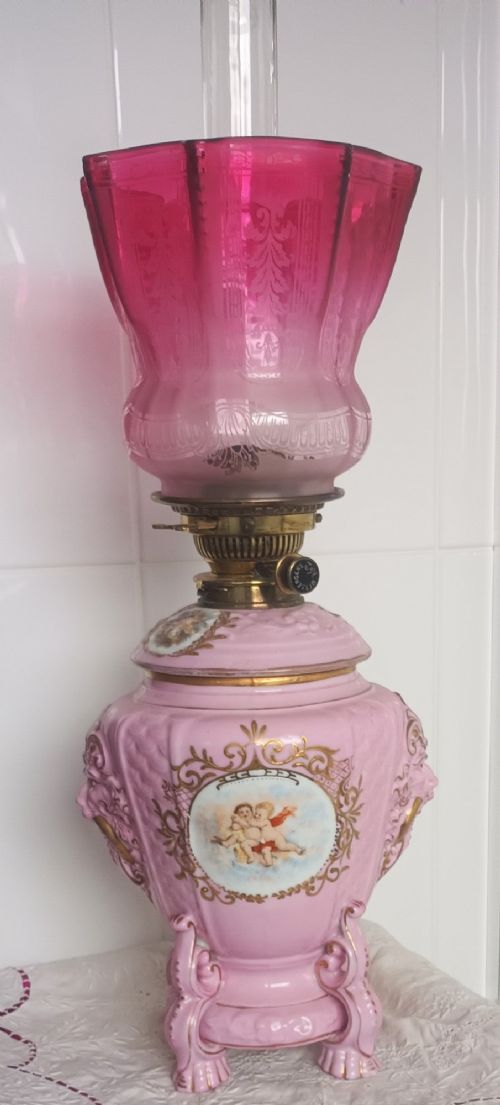
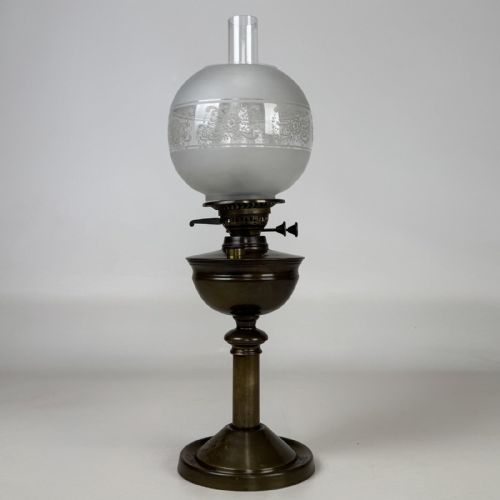
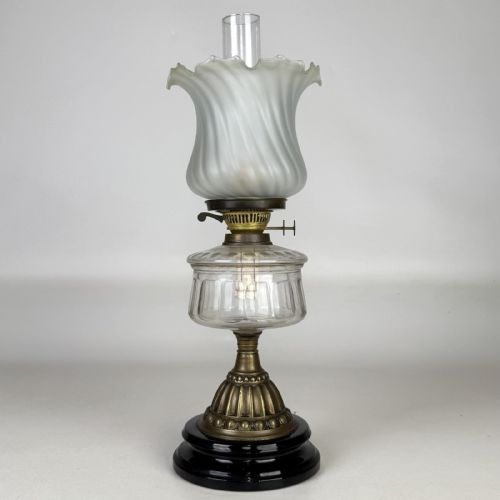
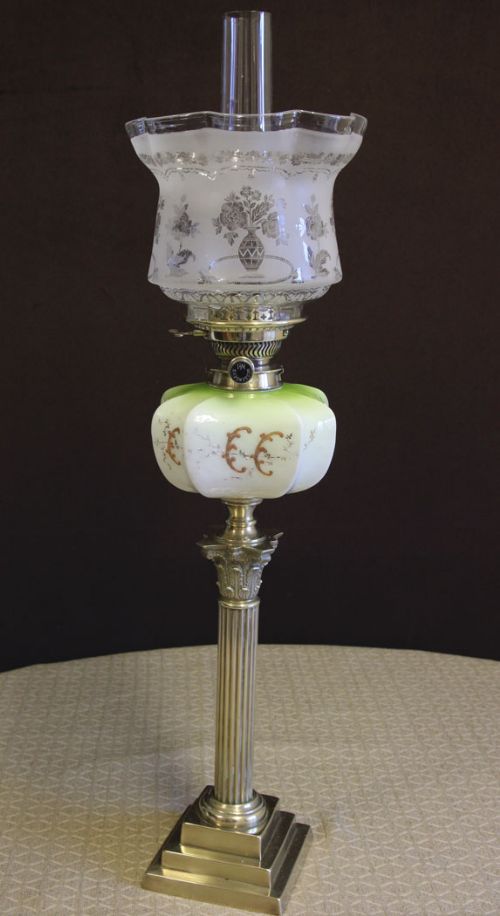
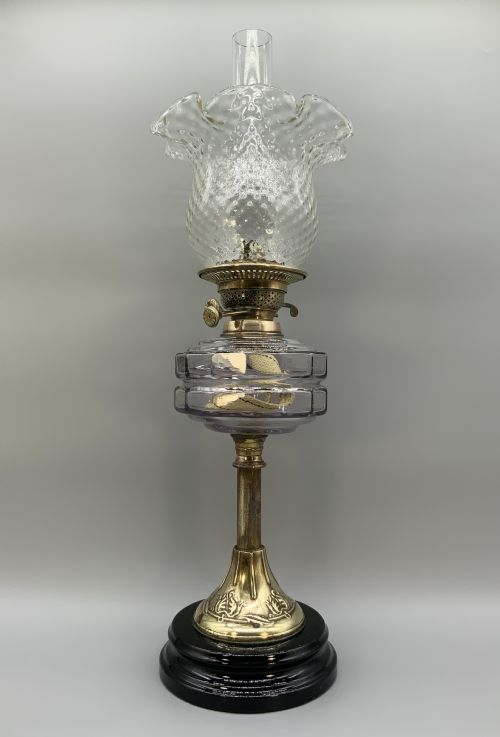
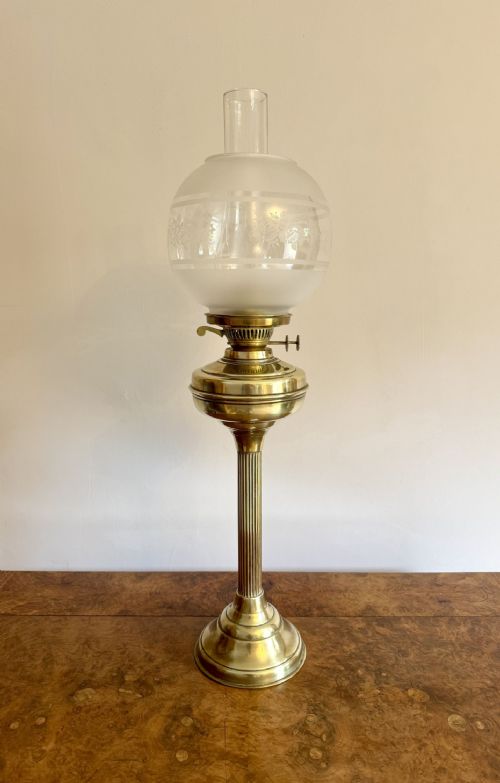
When searching for an oil lamp chimney, a buyer encounters protective glass vessels designed to fit antique lighting fixtures from the Victorian and Edwardian eras. These fragile components work in tandem with oil lamps featuring brass columns, ceramic bodies, and cut glass fonts.
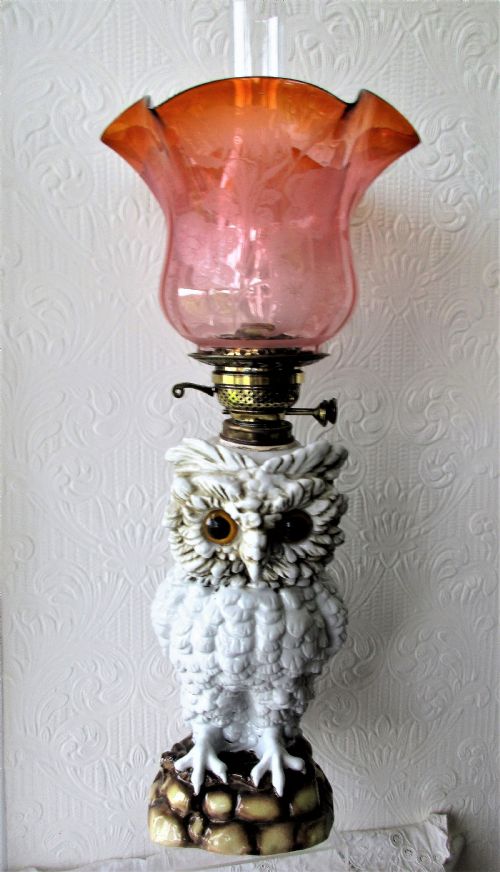
The versions most commonly met on this page originate from the nineteenth century up to 1900, spanning periods like the 1880s and 1890s. They accompany table lamps and parlour lighting that incorporate shades made from frosted, opaline, or cranberry glass.
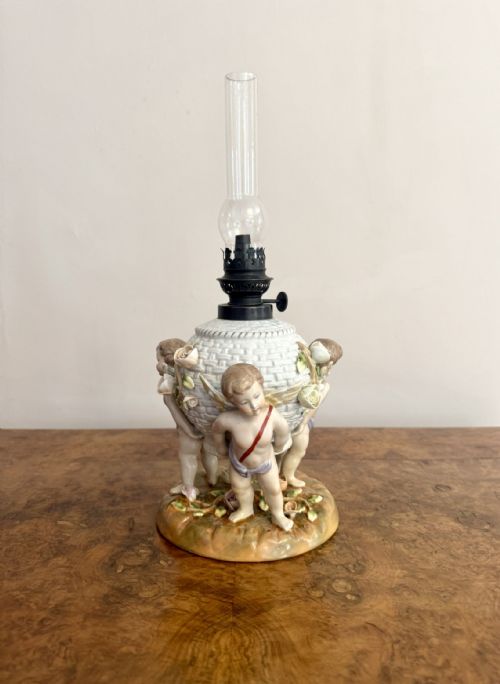
Makers and retailers such as Messengers and Harrods retailed complete lighting assemblies that relied on these glass cylinders. Examples range from simple utilitarian cylinders to those paired with elaborate Art Nouveau and French Rococo Revival bases.
Materials and construction
Makers utilised clear, frosted, opaline, or cut glass to form the tubular bodies required for proper combustion and draught. Glassblowing techniques shaped the molten material into specific diameters to fit standard burners.
Brass and ceramic formed the structural foundations of the lamps these chimneys served, often combined with black glass bases or silver plating. Hand-blown manufacturing methods resulted in subtle variations in wall thickness and height across individual glass elements.
Oil Lamp Chimney Retail Price Guide 2026
Typical asking prices for oil lamp chimney among the pieces listed under this phrase on Sellingantiques today, from the lower quarter to the upper quarter. They describe what is for sale here now, not the wider market.
The listings here feature Victorian and Edwardian oil lamps spanning the 1860s to 1900, incorporating brass, ceramic, and cut glass.
Judging the work
Quality rests in the clarity and weight of the glass, alongside the precision of the rim finish and the absence of distracting manufacturing blemishes. Finer examples display smooth, even walls and crisp proportions that complement the decorative brass or porcelain fonts below them.
The distinction between standard utility items and finer pieces lies in the integration of the glass with the complete lamp assembly, such as matching cut crystal fonts or hand-painted ceramic bodies. Well-preserved specimens retain their original factory dimensions and fit securely into the brass galleries.
Sitzendorf·Messengers·Harrods
The Oil Lamp Chimney Glossary
- Chimney
- A tall glass cylinder placed over the burner of an oil lamp to steady the flame and improve draught. It directs airflow and protects the flame from drafts.
- Font
- The reservoir that holds the lamp oil or paraffin during use. This component sits atop the base and supports the burner assembly.
- Duplex burner
- A double-wick mechanism that produces a brighter light than single-wick burners. It requires a specific wider chimney to accommodate the dual flames.
- Opaline glass
- A semi-opaque white glass popular in the nineteenth century for shades and decorative vessels. It diffuses light softly without total transparency.
- Gallery
- The metal collar on top of the burner that holds the glass chimney in place with prongs. It secures the delicate glass against movement during operation.
Oil Lamp Chimney: Frequently Asked Questions
How do I measure an oil lamp chimney?
Measure the outside diameter of the fitter base where it inserts into the brass gallery. Ensure you also check the total height to maintain the correct proportions for your specific burner.
Matching the correct fitter size prevents the glass from wobbling or sitting too tightly in the metal collar during use.
Did all Victorian oil lamps use chimneys?
Most burning oil lamps required a glass chimney to create the necessary draught for a steady, smoke-free flame. Without this vertical cylinder, the wick would flicker excessively and soot up the room.
Only specific decorative or miniature pieces dispensed with them, but functional table lamps relied on them entirely.
How do I clean an antique glass chimney?
Wash the glass gently in warm water with a mild detergent, using a soft cloth or bottle brush for the interior. Avoid abrasive pads that might scratch the surface or remove any age-related patination.
Dry the piece thoroughly with a lint-free cloth before returning it to the brass gallery of the lamp.
Are replacement chimneys period correct?
Many surviving lamps retain replacement glass elements because the original chimneys broke during daily use in the nineteenth century. Finding a hand-blown or period-style glass cylinder maintains the authentic appearance of the lighting fixture.
Inspect the glass for subtle bubbles and uneven thickness to gauge its age relative to the base.