





Oil and Watercolour
Oil and watercolour works bring together two distinct mediums, offering collectors a rich variety of framed paintings, portraits, and landscapes.
Oil and Watercolour
When searching for oil and watercolour, a buyer encounters a diverse group of framed paintings, fine art, and portrait miniatures spanning several centuries. The selection here ranges from nineteenth-century landscapes and marine watercolours to eighteenth-century portrait miniatures.
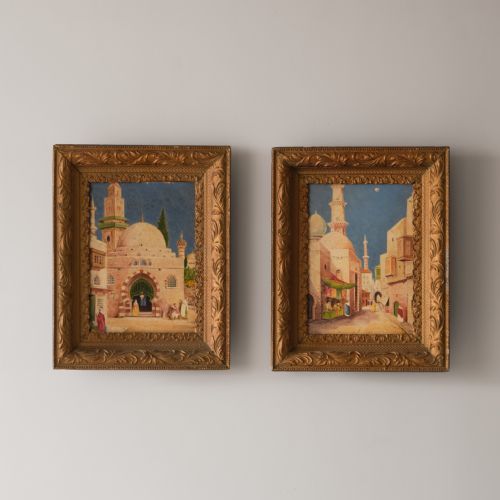
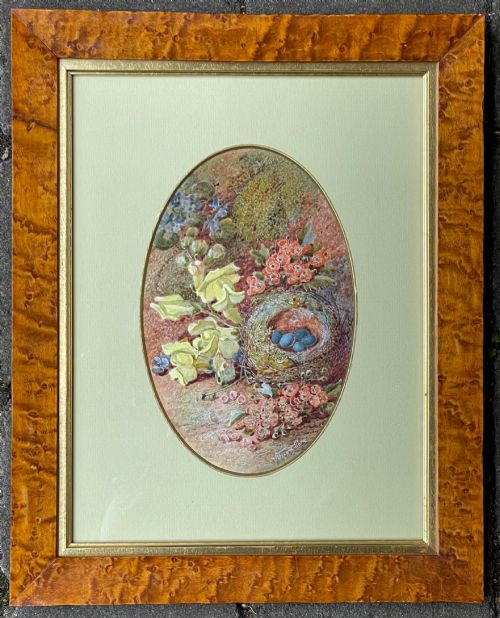
The versions most commonly met on this page include nineteenth-century British works, Victorian naturalism, and naïve art. Examples stretch from 1750 architectural Italian pieces up to twentieth-century impressionism and mid-twentieth-century scenes.
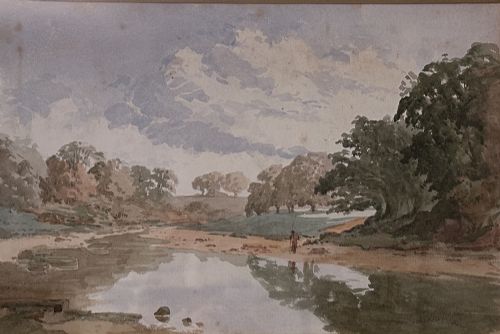
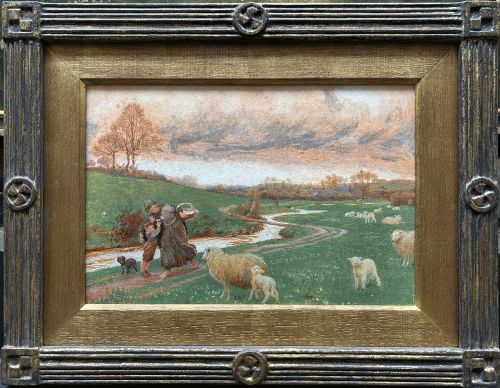
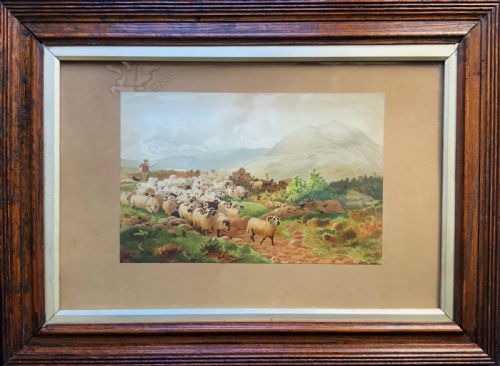
Subjects vary widely, taking in highland landscapes with shepherds, coastal barque ships, riverbank fishermen, and detailed portraits of ladies and families. Pieces are executed on paper, wood, and canvas, frequently preserved behind glass in period frames.
How they were made
Works in this collection utilise traditional paints applied to paper, wood, and canvas substrates. Pigments are handled through both oil and watercolour techniques, capturing fine details in portrait miniatures and broader sweeps in landscape views.
Framing and presentation play a significant role, with many pieces set within wood, gilt wood, and gilt metal frames. Gold leaf accents frequently enhance the framing of portraits and fine art, whilst glass protects delicate watercolour paper surfaces.
Oil and Watercolour Retail Price Guide 2026
Typical asking prices for oil and watercolour among the pieces listed under this phrase on Sellingantiques today, from the lower quarter to the upper quarter. They describe what is for sale here now, not the wider market.
Some nineteenth-century artists meticulously copied famous Louvre masterpieces on a domestic scale, bringing Parisian art into modest Victorian parlours.
What varies in quality
The distinction between tiers of work rests on the dexterity of the brushwork and the precision of the composition. Accomplished handling of light in oil landscapes or delicate accuracy in portrait miniatures elevates an artwork.
The integrity of the materials also defines quality, from the preservation of the original paper or wood support to the craftsmanship of the period frame. Intricate gilt wood and gold leaf settings complement superior artistic execution.
Vincent Clare·Frederick Walker·Robert Thorne Waite·William Egley·Roland Batchelor·Henry Birtles·Diana Hill·Samuel John Milton Brown·Elisabeth Vigee Le Brun
The Oil and Watercolour Glossary
- Watercolour
- A painting method where fine pigment is suspended in a water-based solution, typically applied to paper.
- Portrait Miniature
- A small, highly detailed painting, often executed on ivory, vellum, or paper during the eighteenth and nineteenth centuries.
- Gilt Wood
- Wood that has been treated with a thin layer of gold leaf or gilt finish, commonly used for traditional picture frames.
- Naive Art
- Art produced by an artist without formal training, characterised by a simplistic approach to perspective and proportion.
- Impressionism
- A style of painting that focuses on capturing the visual impression of the moment, particularly shifting light and colour.
Oil and Watercolour: Frequently Asked Questions
How do I care for antique watercolours?
Watercolours require careful placement away from direct sunlight to prevent the fading of delicate pigments on paper. Maintaining stable indoor humidity levels also protects both the paper support and the surrounding frame.
Ensuring works remain properly sealed behind glass prevents atmospheric dust and moisture from damaging the paint surface over time.
What distinguishes an oil painting from a watercolour?
Oil paintings utilise slow-drying pigments suspended in oil, applied to canvas or wood panels to create rich textures and deep tones. Watercolours rely on water-soluble pigments on paper, producing a more translucent and luminous effect.
Oils are typically displayed without glass protection, whereas watercolours require glass to shield the porous paper surface from damage.
How can I tell the period of a framed painting?
The style of the artwork, the artist's recorded lifespan, and the framing materials offer key clues to dating a piece. Eighteenth and nineteenth-century works often feature specific portrait styles, clothing fashions, and landscape conventions.
Examining the construction of the wooden frame and the materials used on the reverse can provide additional context regarding the age of the object.
Were portrait miniatures used as jewellery?
Many eighteenth and nineteenth-century portrait miniatures were painted specifically to be worn as personal adornments or carried in pockets. These small works served as intimate keepsakes commemorating family members or loved ones.
Over time, many of these miniature portraits were reframed for wall display whilst retaining their original portable scale.