




Oil and Vinegar Cruet
An oil and vinegar cruet brings functional elegance to the dining table, pairing glass bottles with stands for daily service.
Oil and Vinegar Cruet
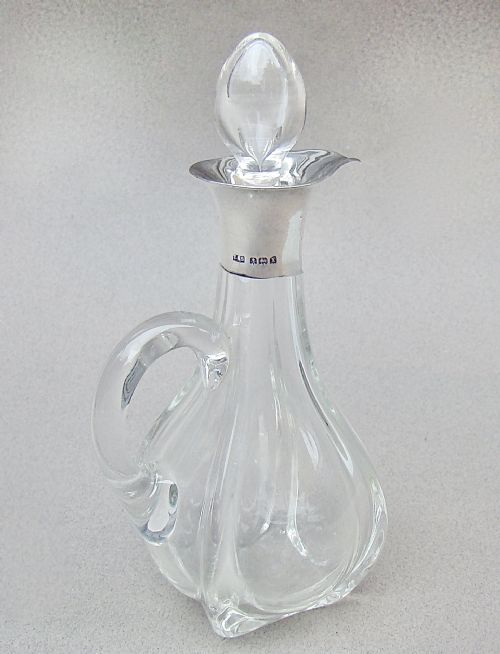
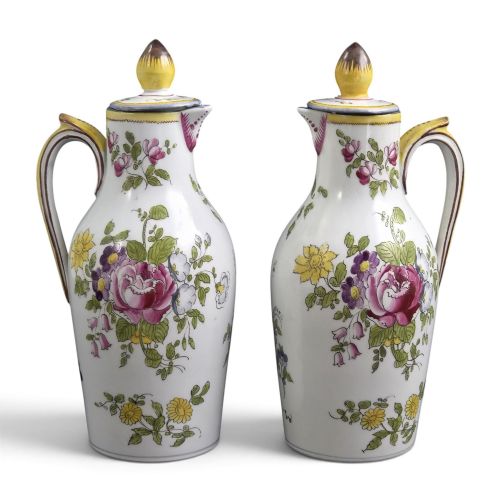
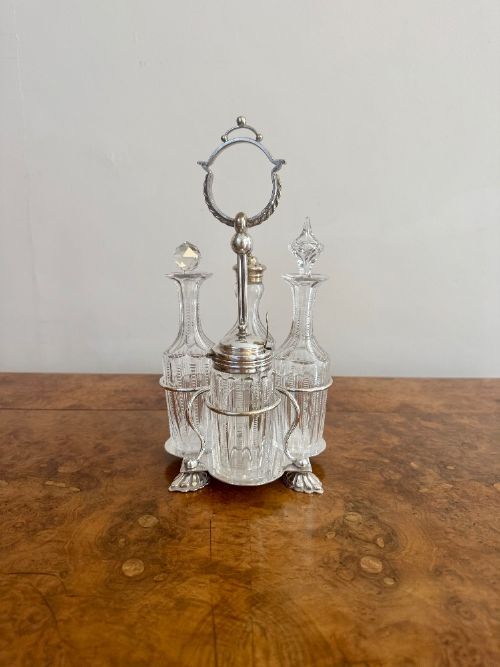
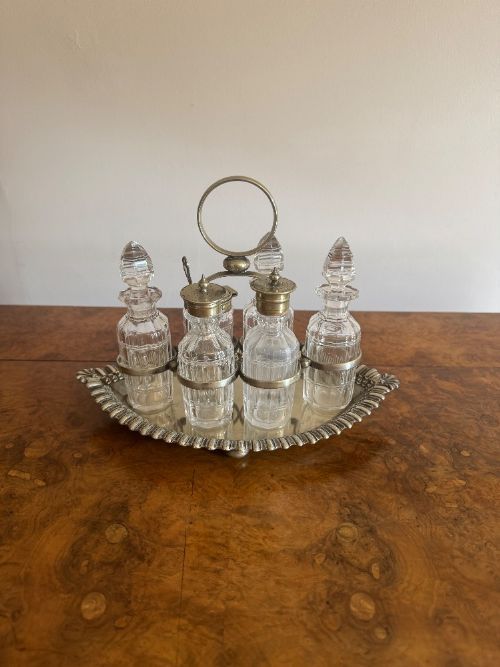
An oil and vinegar cruet is a specialised container or paired set designed to hold and dispense condiments at the table. When searching this phrase, buyers encounter various configurations from the Georgian, Victorian, Edwardian, and Art Deco periods. These items range from standalone glass bottles with silver mounts to comprehensive frames holding multiple condiment containers.
The most common examples on this page are Edwardian and Victorian silver plated sets featuring cut glass bottles. Standalone pairs of oil and vinegar bottles mounted in silver or housed in ebonised stands also appear alongside larger multi-bottle frames. Materials span sterling silver, silver plate, lead crystal, plain glass, mahogany, and earthenware.
Materials and construction
Makers shaped glass by hand cutting lead crystal and standard glass to create faceted bottles that catch the light. Frames and mounts were constructed from sterling silver or silver plate, utilising techniques such as casting, piercing, and hallmarks for assay confirmation.
Wooden elements like mahogany and ebonised stands provided sturdy bases fitted with metal handle rings for transport. Silver mounts were carefully fitted to glass necks, securing stoppers and pourers for practical dining use.
Oil and Vinegar Cruet Retail Price Guide 2026
Typical asking prices for oil and vinegar cruet among the pieces listed under this phrase on Sellingantiques today, from the lower quarter to the upper quarter. They describe what is for sale here now, not the wider market.
Materials documented across the inventory include sterling silver, silver plate, lead crystal, mahogany, and earthenware.
What separates the best examples
Quality rests in the weight of the metal and the precision of the glass cutting. Superior sets display crisp facets on lead crystal bottles alongside heavy gauge silver or thick silver plate on the stands.
Maker marks and clear hallmarks elevate an object, showing documented origins from recognised silversmiths. The survival of original matched bottles within a cruet stand also marks a higher standard of preservation.
Mappin Brothers·Walker & Hall·Charles Thomas Fox·Elkington & Co·Hester Bateman·William Hutton & Sons·Wade Wingfield Wilkins
The Oil and Vinegar Cruet Glossary
- Cruet set
- A collection of glass bottles or jars for condiments, mounted in a fitted frame with a handle. These sets typically served mustard, vinegar, oil, pepper, and salt during formal meals.
- Silver plate
- A base metal, often copper or Britannia metal, coated with a thin layer of sterling silver. This technique offered the appearance of solid silver at a lower cost.
- Cut glass
- Glass decorated by grinding facets or patterns into the surface using a wheel. High quality pieces show sharp edges and deep incisions.
- Cast
- Molten metal poured into a mould to form solid handles, frames, or decorative mounts. This method creates heavier and more ornate components than sheet metal fabrication.
- Hallmark
- A series of official marks stamped on precious metals indicating the maker, assay office, and year of testing. These stamps provide verifiable historical dates.
Oil and Vinegar Cruet: Frequently Asked Questions
What is an oil and vinegar cruet used for?
An oil and vinegar cruet holds liquid seasonings for dressing food at the table.
They allow diners to pour oil and vinegar cleanly without spills during meals.
How do I clean antique silver plate?
Clean silver plate gently using a soft cloth and specialised silver polish.
Avoid harsh abrasives that can wear away the thin silver layer over the base metal.
Are cruet bottles interchangeable?
Original bottles are custom fitted to specific stands and mounts.
Replacements often fit poorly because Victorian and Edwardian glass was hand finished.
How do I identify an Edwardian cruet?
Edwardian cruets date from the reign of Edward VII around nineteen hundred.
They frequently combine heavy silver plate frames with machine cut or moulded glass bottles.