

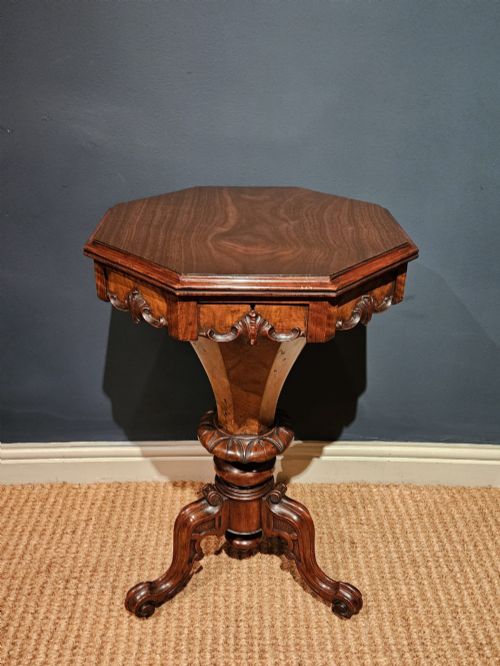
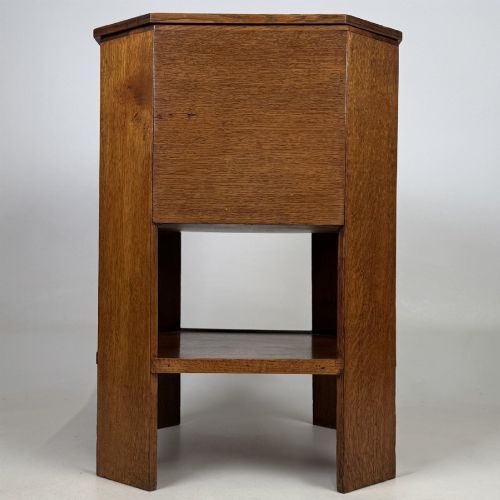
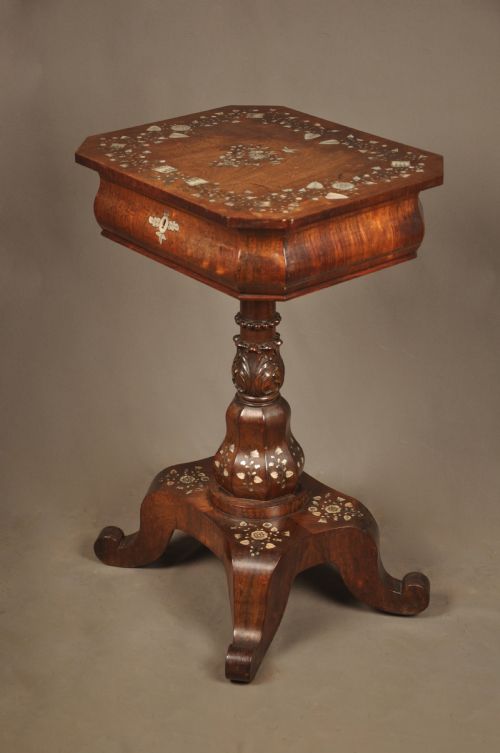
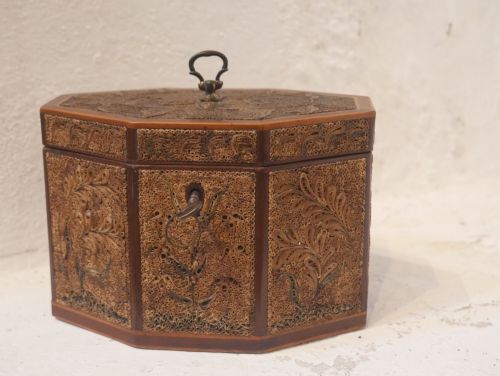
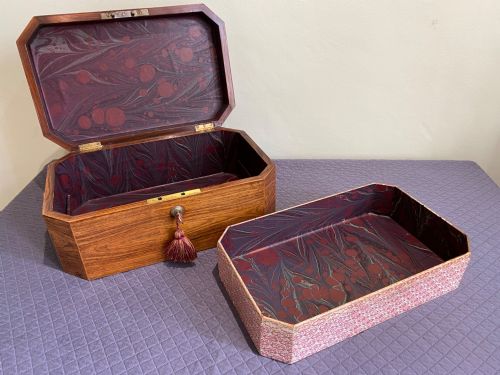
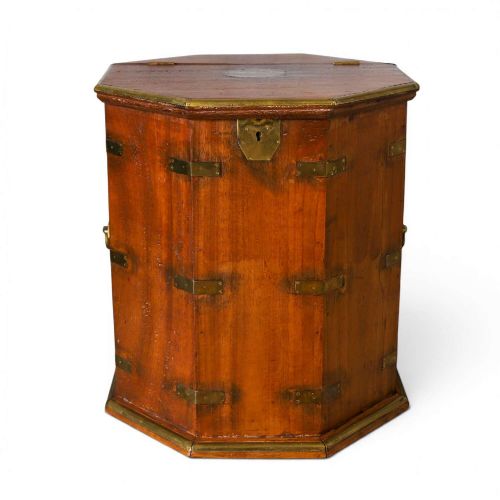
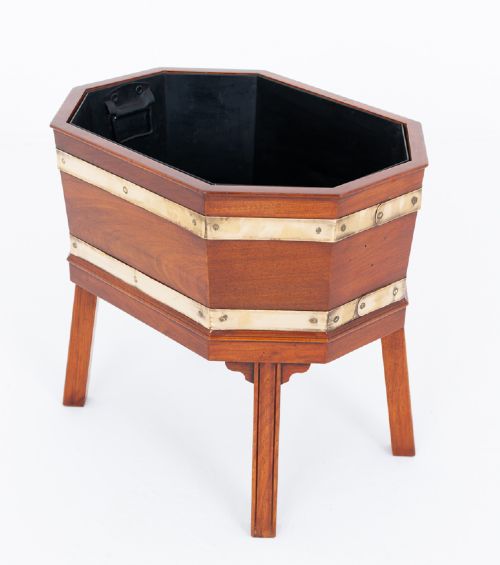


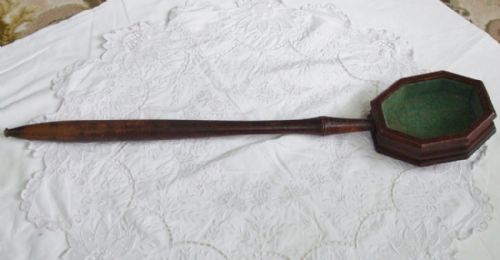


Octagonal Wooden Boxes
Octagonal wooden boxes are vessels crafted for storage and display, offering distinct geometric forms and period timbers that elevate any room.
Octagonal Wooden Boxes
Octagonal wooden boxes span utilitarian storage containers and refined tea caddies originating from the seventeenth, eighteenth, and nineteenth centuries. Buyers encounter Georgian and Regency examples alongside Chinese export pieces and Victorian work tables.
Tea caddies and cellarettes dominate the selection, often taking the precise eight-sided form to showcase figured timbers and brass bindings. These pieces reflect the domestic habits and luxury storage needs of past households.
Origins stretch from British workshops to Chinese export centres and Indian production sites, demonstrating varied craftsmanship across distinct eras. The assortment unites diverse functions under a shared geometric shape.
Materials and construction methods
Cabinetmakers utilised dense timbers such as mahogany, satinwood, partridge wood, and rosewood, often applying intricate boxwood and bone inlays. Grain patterns dictate the visual weight of each piece.
Brass fittings, hinges, and bindings reinforce the structural joints while adding metallic contrast to the polished timber surfaces. Joinery techniques ensure stable assembly across multi-sided bodies.
Octagonal Wooden Boxes Retail Price Guide 2026
Typical asking prices for octagonal wooden boxes among the pieces listed under this phrase on Sellingantiques today, from the lower quarter to the upper quarter. They describe what is for sale here now, not the wider market.
Listings feature mahogany, satinwood, and rosewood across eighteenth and nineteenth-century forms.
Distinctions in construction and finish
Superior examples demonstrate precise geometric symmetry in the eight-sided construction and careful selection of timber veneers. Grain continuity across the angles indicates higher cabinetmaking skill.
The sophistication of inlay work and the integration of original brass hardware elevate certain pieces above standard utilitarian containers. Surface finishes that retain depth without heavy restoration preserve the integrity of the object.
The Octagonal Wooden Boxes Glossary
- Tea Caddy
- A lidded box designed to store loose tea leaves, often fitted with internal compartments and a lock. These containers protected valuable dried leaves from moisture and light.
- Cellarette
- A cabinet or box used to hold wine bottles, frequently constructed with octagonal proportions and brass bindings. They stood near the dining table for easy service.
- Teapoy
- A small stand or table supporting a storage box for tea, raised on a central pillar or legs. They gained popularity during the Regency period.
- Satinwood
- A yellowish exotic timber with a lustrous sheen, utilised for fine cabinetmaking and decorative stringing. It provides bright contrast in inlaid designs.
- Partridge Wood
- A dense tropical timber named for its mottled pheasant-feather grain pattern. Cabinetmakers selected it for high-status tea caddies.
Octagonal Wooden Boxes: Frequently Asked Questions
What were octagonal wooden boxes used for?
These vessels primarily stored high-value commodities like tea, spices, jewellery, and documents within domestic settings. Their secure lids and compartmentalised interiors protected delicate or costly contents from damage.
Over time, many adapted into general display pieces or specialised work tables for sewing and writing. Their robust construction suited daily handling in period households.
How do I identify a Georgian tea caddy?
Georgian tea caddies typically exhibit restrained classical proportions, premium timber veneers such as mahogany or satinwood, and delicate string inlay. Original key escutcheons and interior foil linings offer further clues to their period.
Construction methods reflect eighteenth-century cabinetmaking standards, avoiding modern adhesives or machine-cut screws. Inspecting the underside and interior reveals hand-planed surfaces and traditional joinery.
Where were these boxes manufactured?
Production occurred across British domestic workshops, regional cabinet practices, and international export centres in China and India. Each region applied local timbers and stylistic motifs to the fundamental octagonal shape.
British makers favoured native and colonial hardwoods like mahogany and rosewood, while Asian workshops utilised indigenous woods and distinctive lacquering techniques.
How should I care for antique wooden boxes?
Keep wooden boxes away from direct sunlight and fluctuating heat sources to prevent timber shrinkage and veneer splitting. Maintain stable indoor humidity levels to protect the structure.
Apply occasional appropriate wax polish to nourish the wood surface without building up heavy residues. Handle brass hardware gently to preserve original fixings.