



Octagonal Glass Frame Mirror
An octagonal glass frame mirror brings geometric symmetry and reflected light to a room, offering both practical utility and decorative presence.
Octagonal Glass Frame Mirror
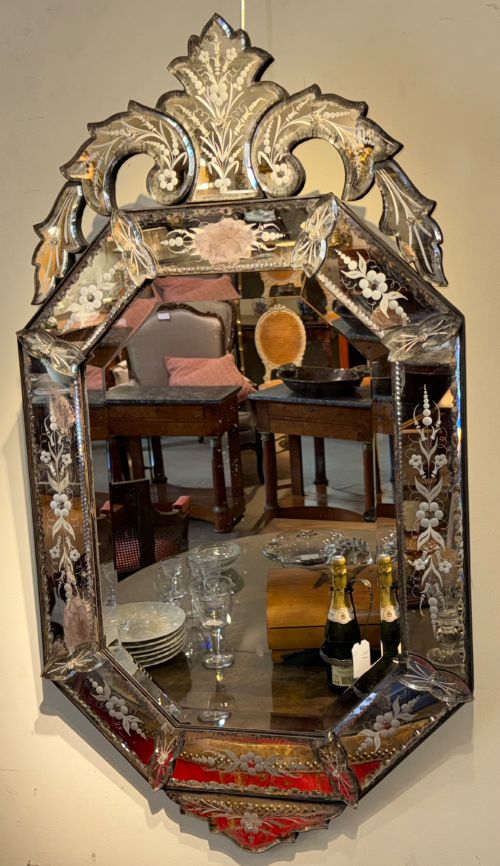
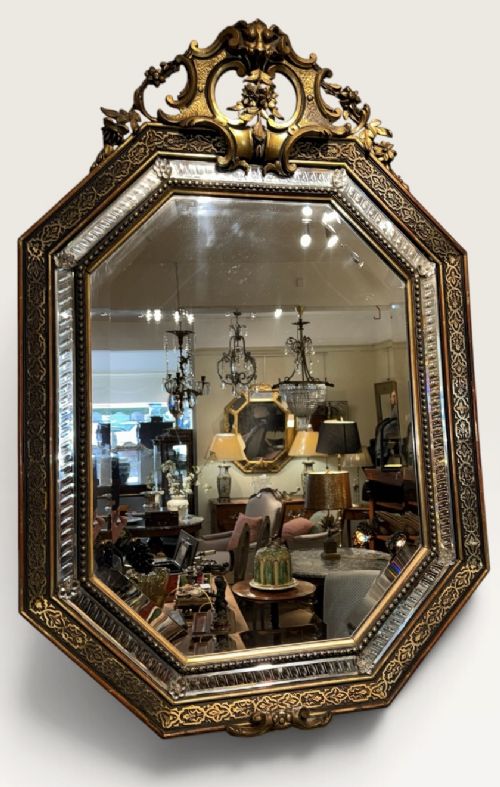
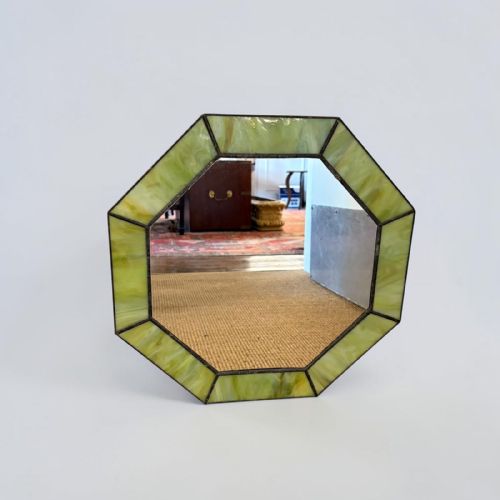
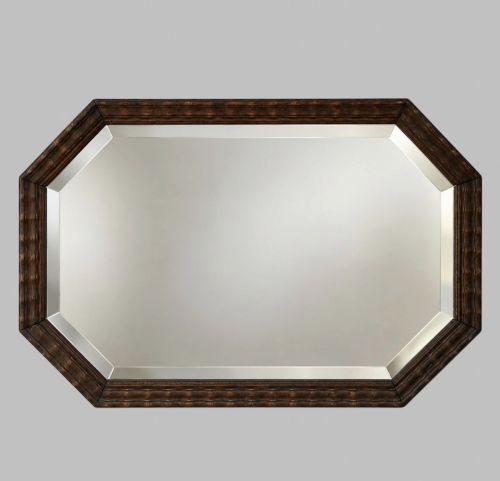
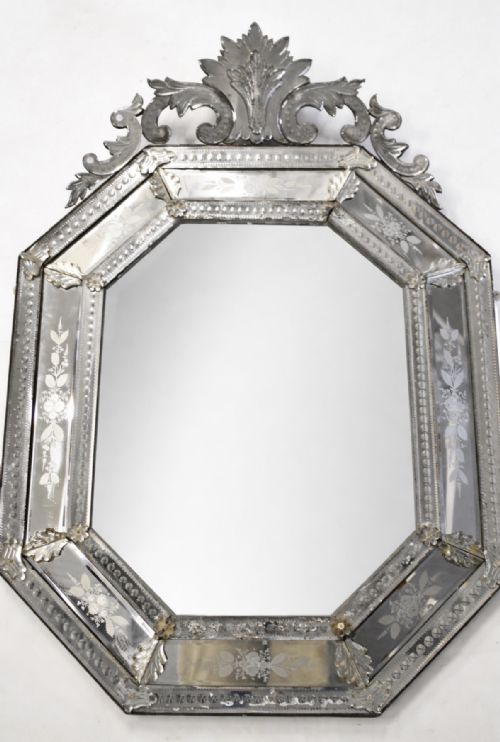
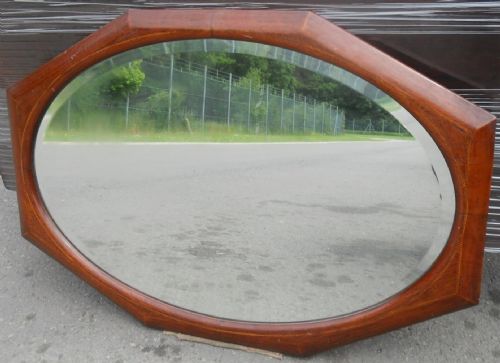
An octagonal glass frame mirror is a wall hanging defined by its eight-sided geometry, appearing across periods from the nineteenth century through the mid-twentieth century. The selection includes styles such as Edwardian, Venetian, Art Deco, and Arts and Crafts, reflecting diverse design traditions from various European origins.
How they were made
Makers constructed these frames using timber such as oak, mahogany, and ebonised wood, alongside applied ornamentation in gesso and gilded wood. Traditional techniques included bevelling the glass edges to catch the light and assembling multi-part glass frames around a central mirror plate.
Specialised variations incorporate copper work, marble surrounds, and cut glass pediments, demonstrating the diverse craftsmanship employed across different stylistic periods.
Octagonal Glass Frame Mirror Retail Price Guide 2026
Typical asking prices for octagonal glass frame mirror among the pieces listed under this phrase on Sellingantiques today, from the lower quarter to the upper quarter. They describe what is for sale here now, not the wider market.
Early twentieth-century makers apparently believed no hallway was complete without an octagonal reflection of someone adjusting their hat.
What varies in quality
Quality rests in the precision of the frame assembly, the clarity and depth of the bevelling on the mirror glass, and the integrity of applied decorative details like gesso or gilding. Superior examples display careful joinery in the wooden structures and well-preserved surface finishes.
The sophistication of the glasswork itself sets apart the finest pieces, particularly in Venetian styles where individual glass sections require exact fitting and hand-cut detailing around the margin.
Waring & Gillow
The Octagonal Glass Frame Mirror Glossary
- Margin mirror
- A mirror featuring a central plate surrounded by smaller, individually framed sections of glass at the borders. This technique creates a faceted reflective border.
- Cushion mirror
- A mirror design where the frame or edge curves outwards like a pillow, often seen in Venetian pieces. It increases the angles from which light reflects into the room.
- Gesso
- A plaster-like material applied to wooden frames and carved or moulded into decorative patterns. It provides a smooth base for subsequent gilding or painting.
- Bevelled glass
- Glass with edges cut and polished at an angle thinner than the rest of the sheet. This process refracts light to create a decorative prismatic effect.
Octagonal Glass Frame Mirror: Frequently Asked Questions
Where should an octagonal mirror hang?
These mirrors suit hallways, living rooms, and bedrooms where their distinct eight-sided shape creates a striking focal point on the wall. Positioning them opposite a window helps maximise natural light in smaller spaces.
Ensure the wall fixings match the weight of the frame, especially for larger nineteenth-century or wooden pieces that require secure support.
How do I identify an Edwardian mirror?
Edwardian pieces often feature lighter woods, cleaner lines, and simpler geometric forms compared to heavier Victorian predecessors. They frequently utilise oak or mahogany frames with understated decorative carving.
Examining the backing boards, fixings, and glass bevelling helps confirm the period of manufacture alongside stylistic cues.
What is a Venetian mirror?
Venetian mirrors typically feature frames constructed entirely from engraved or decorated glass pieces fixed over a wooden backing. They often include floral motifs, scrolls, and crested tops.
These elaborate designs emphasise reflective surfaces and delicate glass craftsmanship rather than traditional wood or metal framing.
How do I care for antique glass?
Clean the glass gently using a soft cloth and a mild, ammonia-free solution applied to the cloth rather than directly onto the mirror. This prevents moisture from seeping behind the glass plate or damaging the surrounding frame.
Avoid harsh abrasives and check the mirror backing periodically to ensure the fixings remain secure against the wall.