





Ocean Vessel Artwork
Ocean vessel artwork captures the movement of ships and seas across the nineteenth and twentieth centuries through paintings and watercolours.
Ocean Vessel Artwork
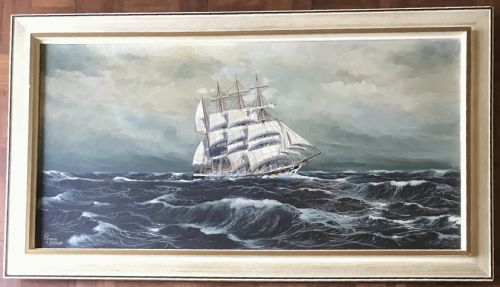
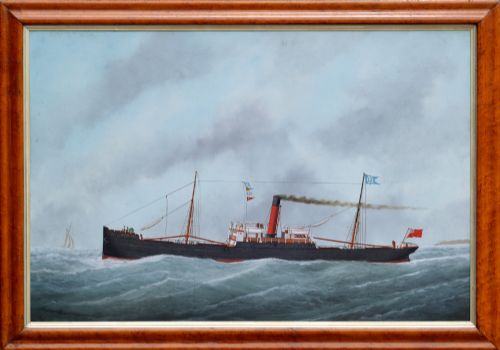
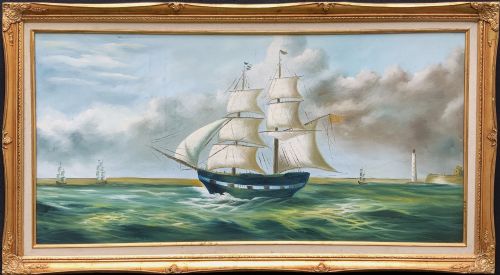
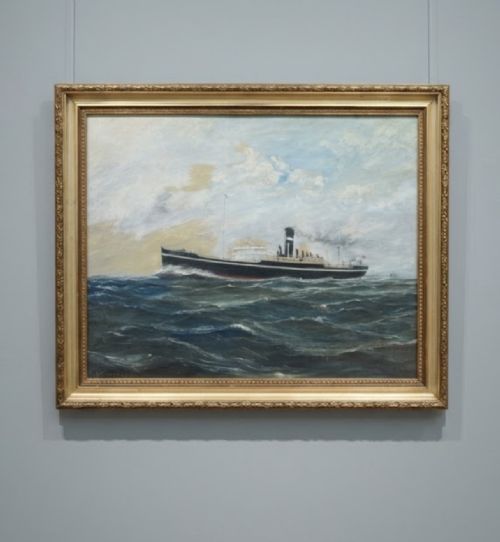
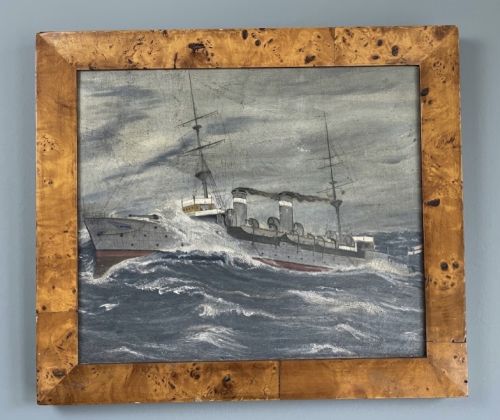
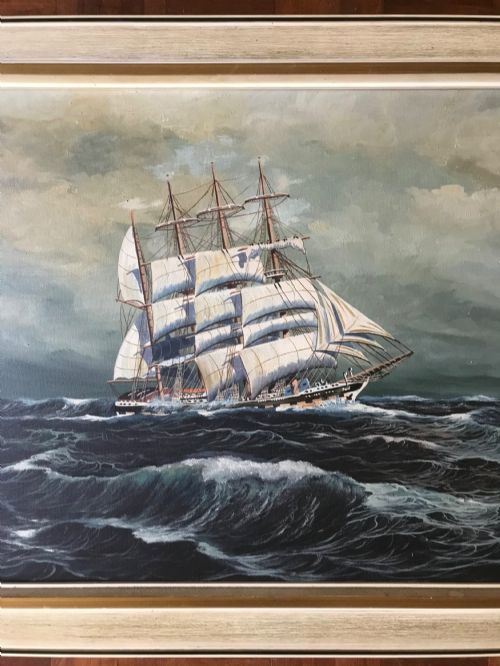
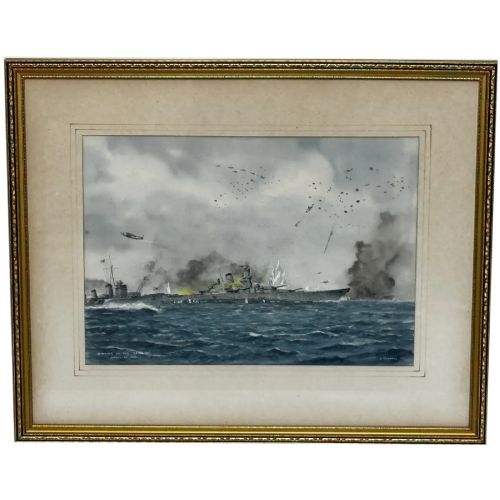
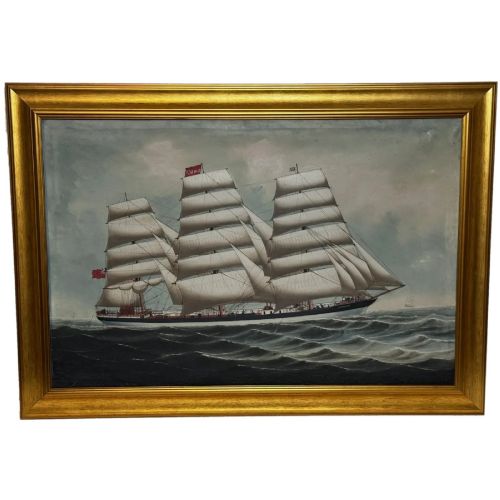
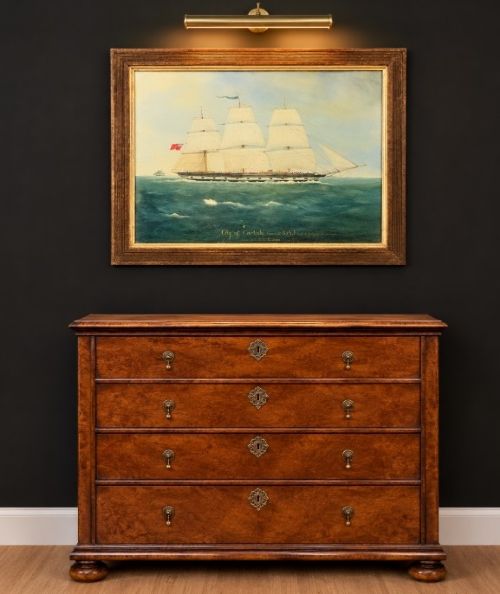
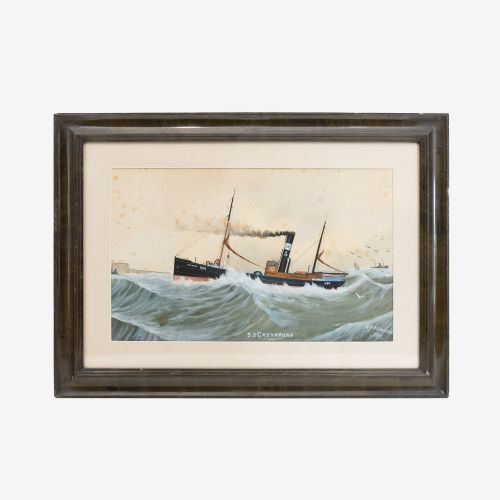
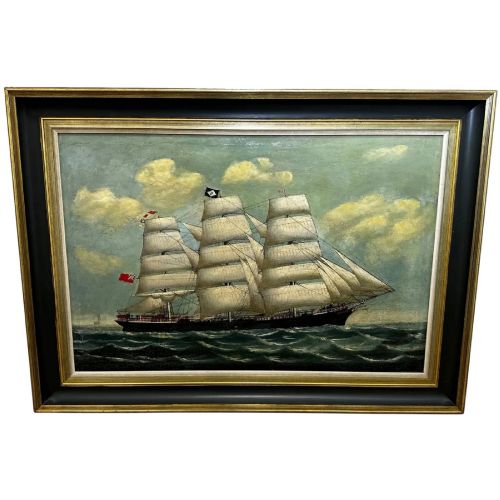
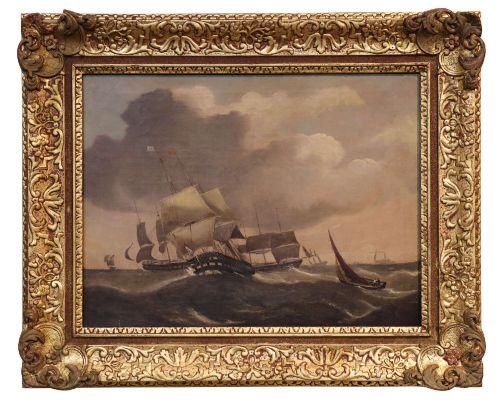
When searching for ocean vessel artwork, collectors encounter framed paintings and watercolours depicting sailing ships, clippers, steamers and marine seascapes. The subjects range from named vessels and naval battles to anonymous fishing boats in heavy seas.
Most pieces date from the nineteenth century through the mid-twentieth century. Canvas and paper provide the surfaces for oil and watercolour depictions of maritime subjects.
Judging quality in marine paintings
Quality in ocean vessel artwork rests on the artist's handling of water, light, and rigging detail. Stronger works convey the motion of waves and the specific architecture of the vessel convincingly.
Attribution to a recorded painter or a clear signature elevates a piece, as does documented provenance connecting the ship to a specific historical voyage or port.
Ocean Vessel Artwork Retail Price Guide 2026
Typical asking prices for ocean vessel artwork among the pieces listed under this phrase on Sellingantiques today, from the lower quarter to the upper quarter. They describe what is for sale here now, not the wider market.
Several ships endure immortalised on canvas while their actual wooden hulls dissolved into sea salt generations ago.
Hans Harlander·Reginald Arthur Borstel·Eric Tufnell·Lai Fong·Alexander Harwood·Charles William Adderton·Daniel Sherrin·Hendrik Willebrord Jansen·Dion Pears·Samuel Owen·George Gregory·Marie-Edouard Adam·Gustave De Breanski·Frank Wood·William Boyce·Richard Ball Spencer·Thomas Bush Hardy
The Ocean Vessel Artwork Glossary
- Pierhead painting
- A genre of marine art depicting ships near a port or pier, often commissioned by captains or shipowners. These works emphasise the specific details of the vessel.
- Barque
- A sailing vessel with three or more masts having the fore and mainmasts square-rigged and the mizzenmast fore-and-aft rigged. This rig appears frequently in nineteenth-century marine art.
- Gouache
- An opaque watercolour paint consisting of pigment mixed with a water-binding agent and a white filler material. Artists utilised gouache to add bright highlights to maritime watercolours.
- Seascape
- A painting, photograph, or other work of art which depicts the sea. These scenes focus primarily on coastal views, open water, or ships navigating variable weather.
Ocean Vessel Artwork: Frequently Asked Questions
What subjects appear in ocean vessel artwork?
These works depict named clippers, steamers, fishing trawlers, and naval ships. Scenes range from calm coastal anchorages to storms in heavy seas.
Specific vessels such as the Cutty Sark, RMS Queen Mary, and various barques and schooners frequently form the central subject of the composition.
How do I date a marine painting?
Dating relies on the ship type, artist signatures, framing styles, and materials like canvas or paper. Steamers and ocean liners indicate twentieth-century dates, while wooden barques often point to the nineteenth century.
Costumes of figures on deck and historical events depicted in the title also provide chronological markers for the work.
Where were these maritime paintings produced?
The pieces originate primarily from British and European marine artists recording domestic and international shipping. Port cities and coastal regions inspired many of the compositions.
Neapolitan pierhead paintings and works from artists working in Hong Kong demonstrate the global reach of maritime subject matter.
How should I hang ocean vessel artwork?
Display these framed paintings and watercolours away from direct sunlight to protect watercolours on paper and oil pigments on canvas. Wall placement should consider the weight of larger framed oil paintings.
Pairing pieces with similar period frames or matching maritime themes creates a coherent display in a room.