



Oak Wood Scuttle
These oak wood scuttle pieces are practical fireside fuel containers that bring solid craftsmanship and character to a hearth.
Oak Wood Scuttle
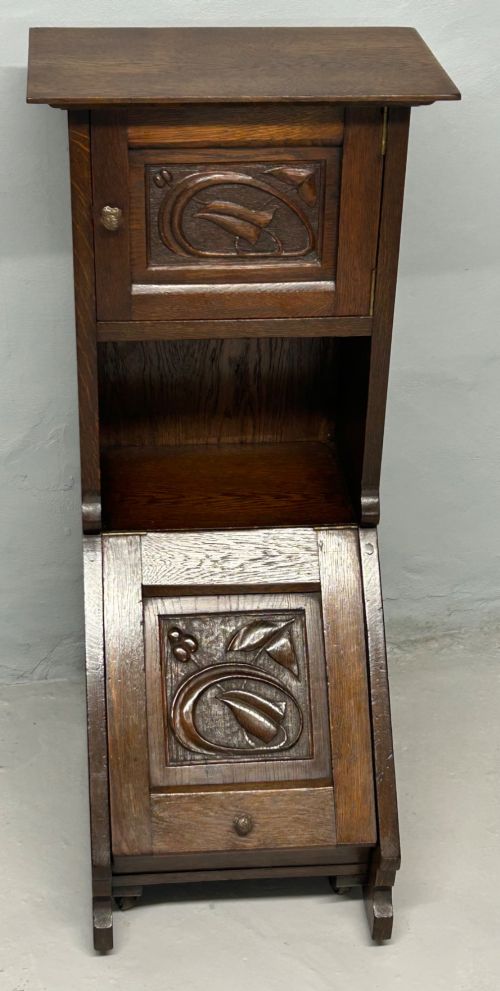
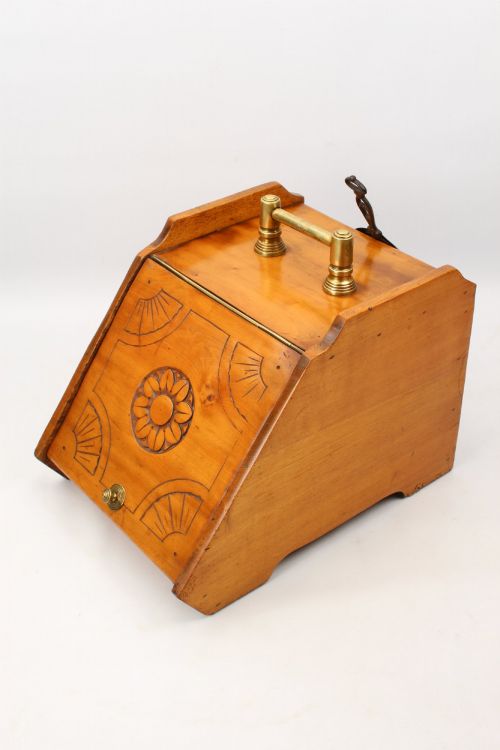
An oak wood scuttle serves as a heavy-duty container for coal, peat, or logs beside the fireplace. You will most frequently encounter Victorian, Edwardian, and Arts and Crafts examples, alongside coopered buckets and hinged purdoniums.
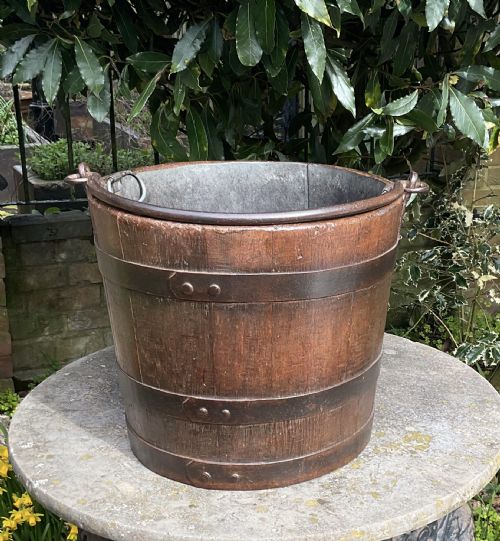
The selection ranges from Georgian brass-banded buckets to late Victorian carved-front coal boxes and Edwardian receptacles equipped with shovels. Form follows function closely, combining sturdy wooden bodies with metal liners and handles designed for daily hearthside use.
Makers drew on English Traditional and Scottish idioms, producing both simple coopered staves and elaborate panelled cabinetry. Every piece reflects the domestic routines of its era, keeping fuel close at hand while adding a distinct utilitarian texture to the room.
Materials and construction
Makers relied primarily on solid oak, frequently shaping the timber through coopered stave construction bound with brass or iron bands. This method ensured the vessel could withstand the weight and abrasive nature of coal or peat.
Many items incorporated interior metal or zinc liners to protect the wood from moisture and debris, while brass handles, hinges, and shovels provided durable working hardware. Carved fronts and applied mouldings added decorative depth to box-style purdoniums.
Oak Wood Scuttle Retail Price Guide 2026
Typical asking prices for oak wood scuttle among the pieces listed under this phrase on Sellingantiques today, from the lower quarter to the upper quarter. They describe what is for sale here now, not the wider market.
Some Victorian coal scuttles came with built-in shovel compartments so secret you might lose the shovel before finding the door.
Judging quality and character
Quality rests in the integrity of the timber selection and the tightness of the joinery, particularly in coopered staves where precise fitting dictates structural longevity. Superior examples maintain their original brass fittings and liners without clumsy replacement parts.
The finesse of the carving on purdonium fronts or the crispness of brass banding distinguishes workshop output from standard utilitarian production. Better pieces balance robust utility with proportion and well-considered detailing.
The Oak Wood Scuttle Glossary
- Purdonium
- A specialised coal box featuring a sloping drop-front or hinged lid designed to conceal the fuel and store a shovel.
- Coopered
- Built from vertical wooden staves fitted together and bound with metal hoops, much like a traditional cask or barrel.
- Peat bucket
- A deep cylindrical container traditionally used in Scotland and rural regions for holding dried turf or peat fuel.
- Hearthside
- Situated immediately around the fireplace where fuel storage and fire irons are kept for daily tending.
Oak Wood Scuttle: Frequently Asked Questions
What is a purdonium?
A purdonium is an enclosed wooden coal box designed to keep fuel tidy and out of sight beside the hearth. They often include a drop-down front and an internal metal liner.
Most examples date from the Victorian and Edwardian periods, combining cabinetry with functional fireside storage.
How do coopered buckets differ from coal boxes?
Coopered buckets utilise vertical staves of oak held together by metal bands, following traditional barrel-making techniques. Coal boxes are typically built as square or rectangular cabinets with panelled sides and hinged doors.
Both styles served the same fundamental purpose of carrying fuel to the fire.
Were these containers lined with metal?
Many oak scuttles and buckets featured interior metal or zinc liners to contain coal dust, ash, and moisture. This protected the surrounding oak timber from rotting.
Original liners add authenticity and ensure the vessel remains usable for holding logs or kindling.
How should I care for an antique oak scuttle?
Keep the wood nourished with appropriate wax and protect it from excessive heat and dryness near active fires. Metal hardware and brass bands can be gently polished if desired.
Using an interior liner prevents direct contact with damp fuel and preserves the historic timber.