


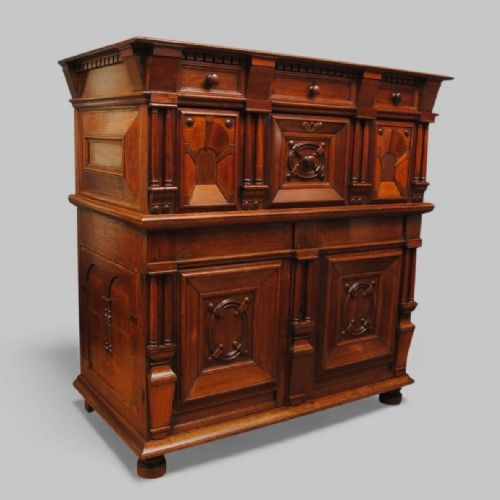


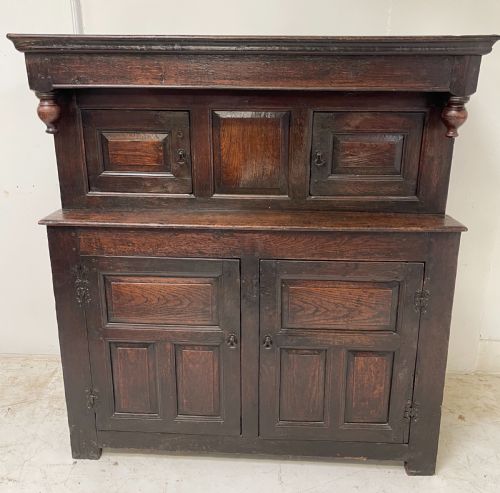

Oak Wood Press
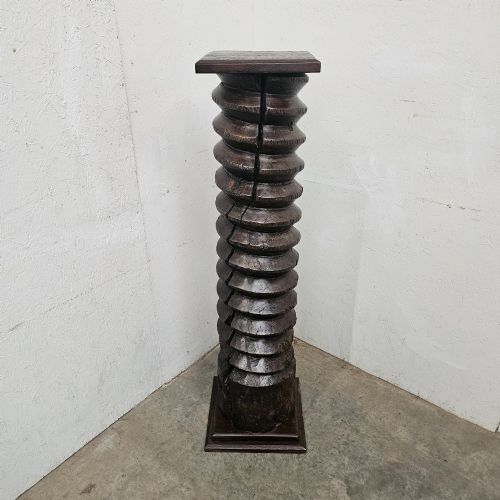
These oak wood press pieces bring heavy timber and centuries of domestic storage into a room, offering functional utility alongside deep period grain.
Oak Wood Press
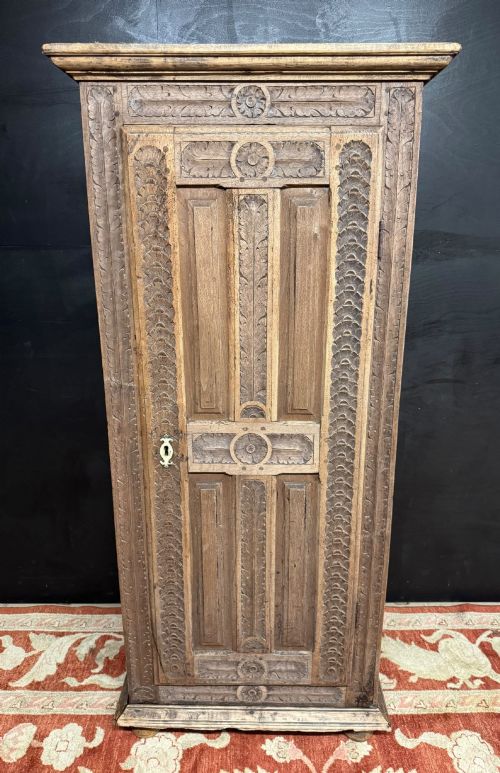
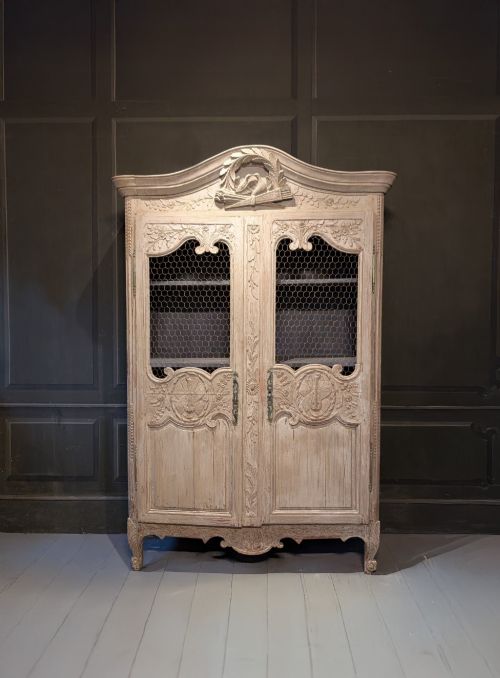
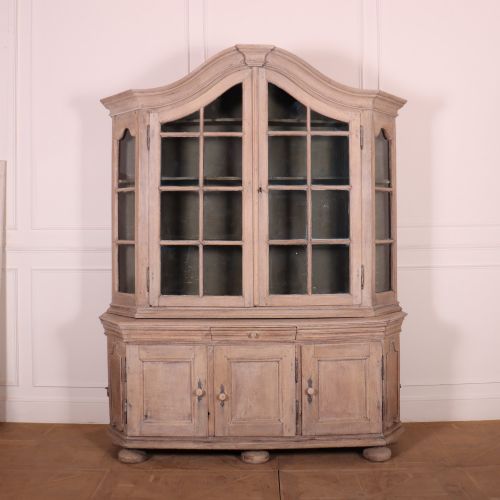
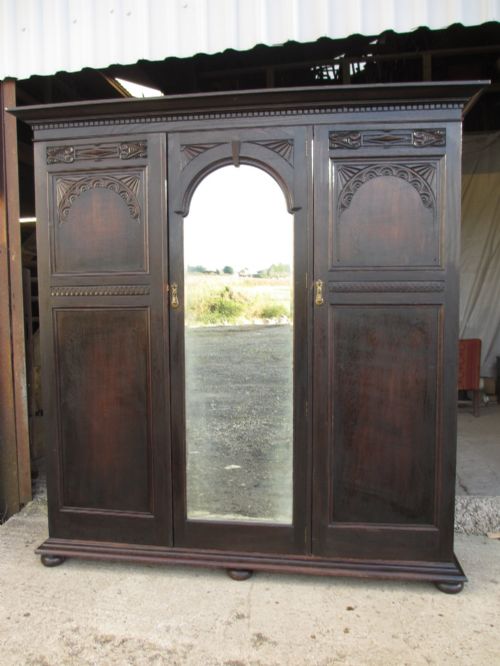
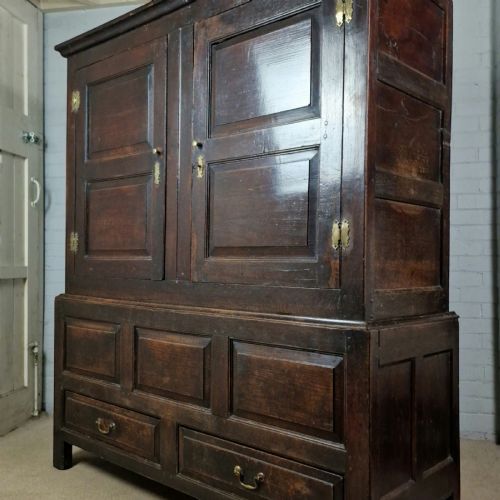
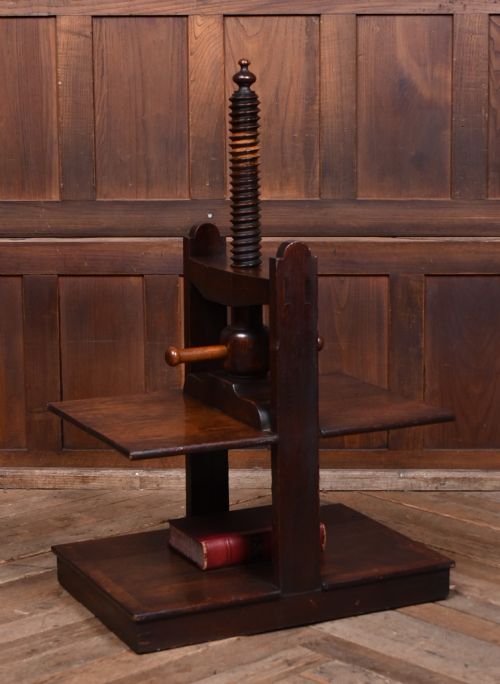
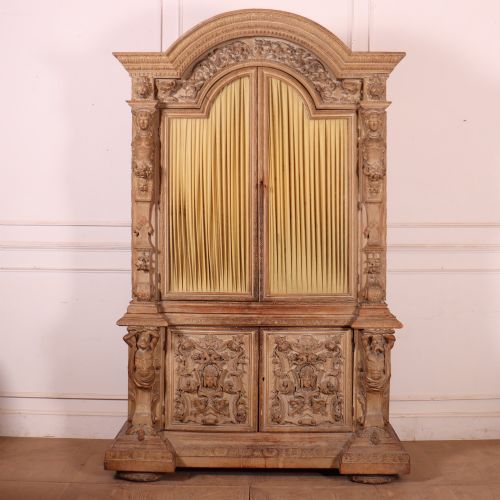
When buyers search for an oak wood press, they encounter a range of heavy storage furniture and mechanical presses spanning from the seventeenth century through to the Edwardian period. The most common forms on this page include sturdy press cupboards, linen presses, and court cupboards constructed from solid timber.
These items originate from various regional traditions, taking stylistic cues from Jacobean, Georgian, and French Provincial makers. Buyers select these pieces to anchor a room with substantial timber and historic utility.
Construction and materials
The primary material across these listings is solid oak, frequently paired with secondary woods such as walnut, fruitwood, and elm. Cabinet makers utilised traditional joinery techniques, employing pegged tenons and panel construction to build frames capable of withstanding heavy domestic use over centuries.
Hardware components incorporate forged iron and brass for hinges, handles, and mechanical screws. Surface finishes rely on natural wax applications that highlight the deep grain and patination developed over long periods.
Oak Wood Press Retail Price Guide 2026
Typical asking prices for oak wood press among the pieces listed under this phrase on Sellingantiques today, from the lower quarter to the upper quarter. They describe what is for sale here now, not the wider market.
Among the heavy timber furniture sits an enormous nineteenth-century gingerbread mould featuring a man carved on horseback.
Assessing quality
Quality in these pieces rests upon the integrity of the original timber and the depth of hand-carved detail executed by the maker. Examples featuring crisp relief carving, intact original brassware, and uncompromised structural joinery sit at the higher end of the range.
Lower tiers often show extensive timber replacement, altered internal shelving, or surfaces stripped of their historic patination. The presence of period-correct hardware and minimal timber shrinkage distinguish superior survivals from heavily restored equivalents.
The Oak Wood Press Glossary
- Press cupboard
- A large storage cabinet featuring enclosed upper and lower sections used originally for linens and garments. These pieces often display heavy panel construction and carved detailing.
- Court cupboard
- An antique display and storage piece originating in the sixteenth and seventeenth centuries, characterised by a recessed upper tier supported on turned columns.
- Linen press
- A tall piece of furniture designed with sliding trays or shelves in the upper section and drawer storage below. They were built to keep household textiles flat and organised.
- Patina
- The surface sheen and colour depth developed by timber through age, handling, and wax polishing. This quality indicates genuine historic usage.
- Tridarn
- A traditional Welsh three-part cupboard incorporating tiers of open and enclosed shelving. They represent regional vernacular woodworking traditions.
Oak Wood Press: Frequently Asked Questions
What is an oak wood press used for?
These items serve primarily as substantial storage furniture for linens, clothing, and household goods within domestic settings.
Their sturdy interior configurations and deep shelving accommodate modern storage needs while retaining historic character.
How do I date a seventeenth-century cupboard?
Dating relies upon examining the construction methods, tool marks left on the timber, and the style of geometric or floral carving.
Original pegged joints and hand-split panels provide strong indicators of early craftsmanship compared to later replacement elements.
Where were court cupboards made?
Court cupboards originate primarily from English and Welsh rural workshops during the Tudor and Stuart periods.
Local timber availability dictated whether makers used local oak or elm for the heavy frame construction.
How do I care for antique oak furniture?
Maintenance involves applying traditional beeswax periodically to nourish the dry timber and protect the historic surface.
Placement away from direct heat sources and dramatic humidity shifts prevents timber splitting and joint movement.