






Oak Wood Planter
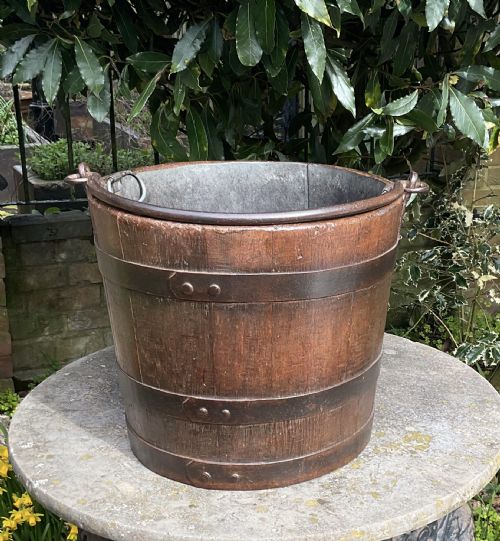
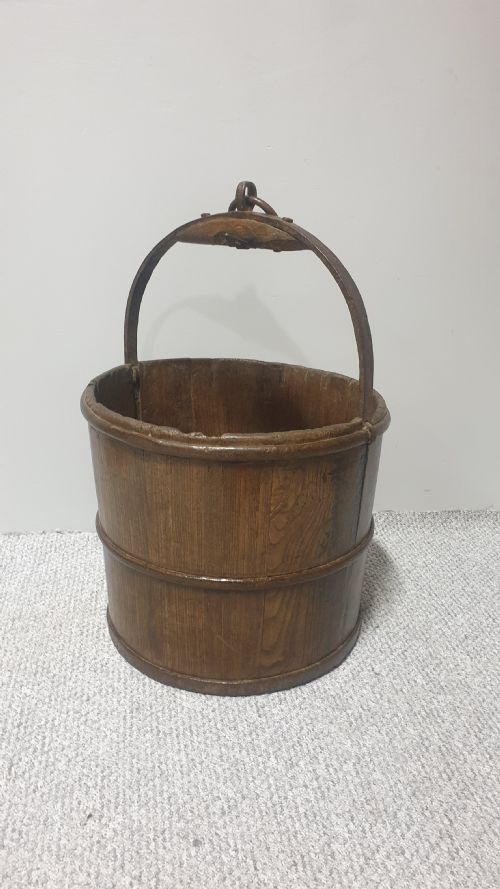
These oak wood planter examples bring traditional coopered vessel forms indoors to hold greenery, combining sturdy timber construction with metal bands.
Oak Wood Planter
When you search for an oak wood planter, you find heavy vessels adapted from utilitarian buckets, barrels, and log bins. These items span periods from the Georgian era through Victorian times and into the early twentieth century.
The most common examples on this page are coopered oak buckets and barrels fitted with metal bands in brass, copper, or iron. They function readily as plant holders, jardinières, or fireside stores.
The selection includes regional variations such as Scottish peat buckets and Dutch coopered containers, alongside rustic farmhouse styles and Jacobean revival pieces.
How they were made
Maker construction relies heavily on traditional coopering techniques, shaping individual oak staves to form a watertight or sturdy tapered vessel. These staves are secured tightly together using exterior metal bands made of brass, copper, or iron.
Many examples incorporate added details such as swing handles, drop handles, and interior liners made of metal to protect the timber. Wood turning appears on specific decorative forms like barley twist stands.
Oak Wood Planter Retail Price Guide 2026
Typical asking prices for oak wood planter among the pieces listed under this phrase on Sellingantiques today, from the lower quarter to the upper quarter. They describe what is for sale here now, not the wider market.
Listings feature oak combined with brass, iron, copper, zinc, and mahogany across periods spanning the Georgian era to nineteen thirty.
What varies in quality
Quality rests on the integrity of the original coopering and the weight of the timber used in the staves. Superior examples maintain tight joints and substantial metalwork without excessive replacement parts.
The finish and patina of the oak distinguish standard utilitarian items from finer decorative pieces intended for the parlor or drawing room.
The Oak Wood Planter Glossary
- Coopered
- Built from curved wooden staves fitted together and bound by metal hoops, similar to barrel construction. This technique ensures structural strength for holding weight.
- Jardiniere
- An ornamental pot or stand designed to hold flowers or plants indoors. These vessels often sit on floors or tabletops.
- Log bin
- A large container traditionally used to store firewood near a hearth. Their robust build makes them suitable for alternative container uses.
- Stave
- One of the narrow vertical strips of oak that form the sides of a barrel or bucket. Staves are shaped precisely to create a tapered cylinder.
Oak Wood Planter: Frequently Asked Questions
How are these planters cleaned?
Maintenance requires gentle dusting of the oak timber and occasional dry wiping of the metal bands. Avoid soaking the wood in water to preserve the historical finish.
Protective interior liners should be removed and emptied regularly if used for live plants to prevent moisture damage to the staves.
Can they be used outdoors?
Most pieces were designed for interior use as decorative vessels, log stores, or indoor plant holders. Placing them directly on damp ground outside will accelerate wood decay.
Sheltered garden placement is possible if the container is raised off the soil and monitored for weather exposure.
What metal types appear on the bands?
Bands are commonly forged from brass, copper, iron, or zinc to hold the wooden staves under tension. Brass and copper often appear on decorative domestic items, while iron serves heavier utilitarian tasks.
These metals develop natural patinas over decades of handling and atmospheric exposure.
How do I date an oak bucket?
Dating relies on observing construction marks, the type of metal used for the bands, and the overall style of the piece. Georgian and Victorian examples display different hand-tool signatures compared to later twentieth-century items.
Matching the form to documented regional types like Dutch or Scottish cooperage narrows the timeline further.