





Oak Wood Nightstands
These oak wood nightstands are practical bedside companions offering sturdy surfaces and enclosed storage, shaped by decades of traditional carpentry.
Oak Wood Nightstands
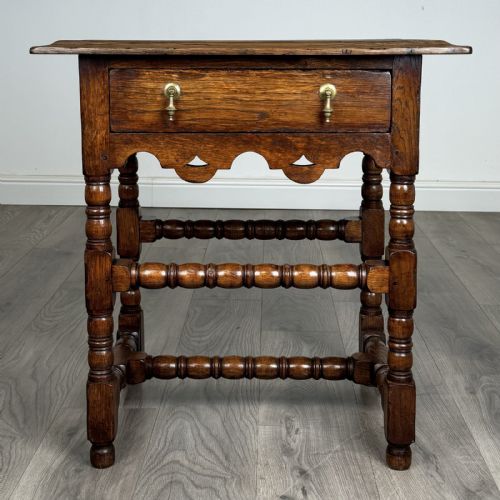
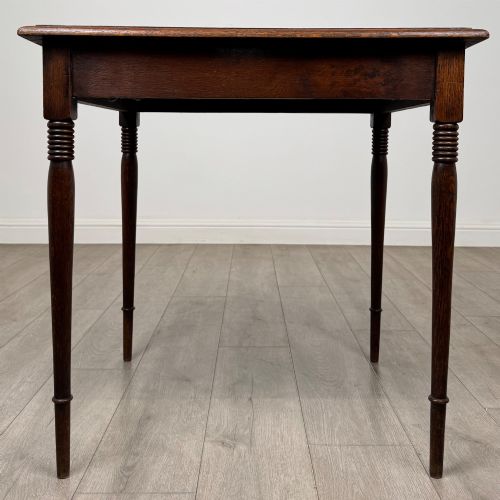
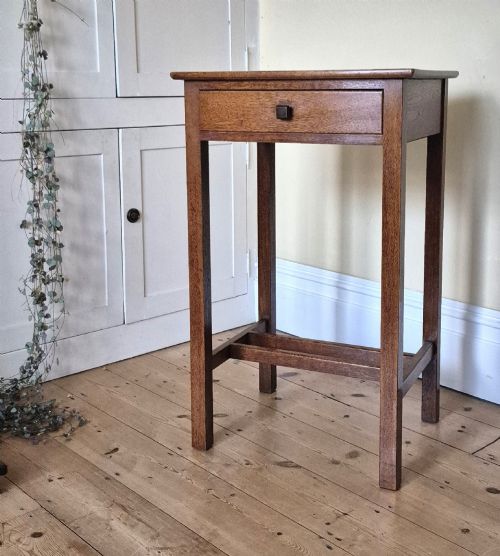
When searching for oak wood nightstands, buyers encounter a diverse selection of bedside tables, bedside cabinets, and side tables spanning several distinct periods from the eighteenth century to the twentieth century. Edwardian examples and pieces from the nineteen-twenties appear frequently, alongside earlier Georgian designs and Victorian items.
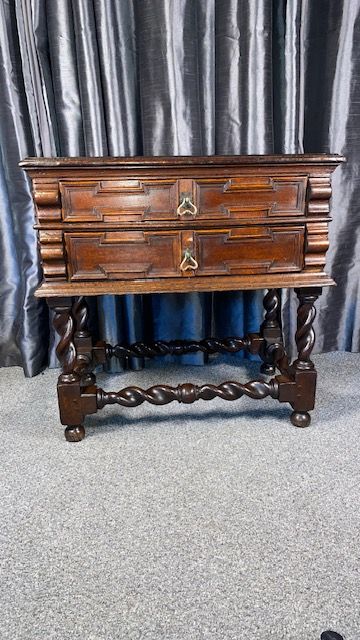
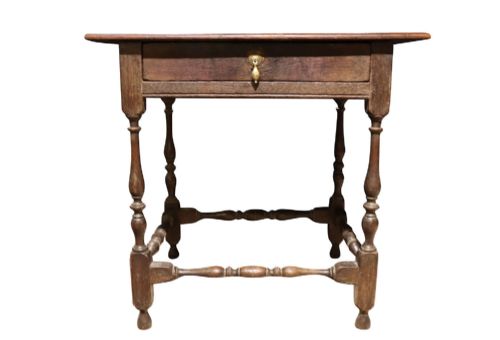
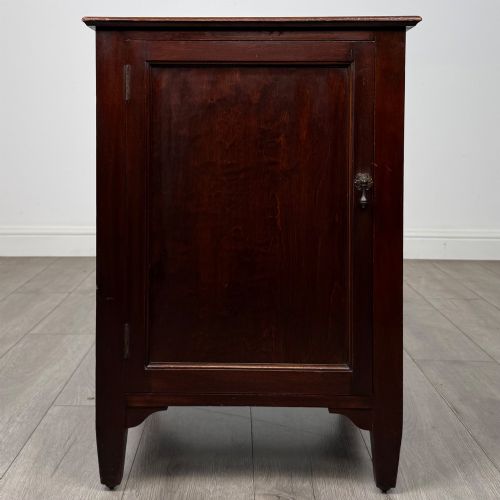
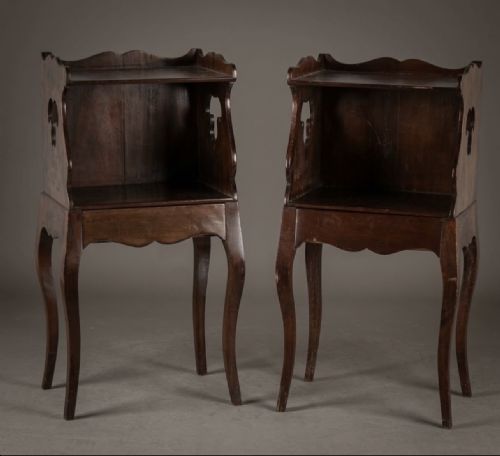
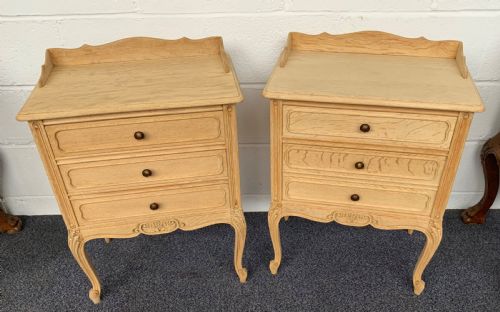
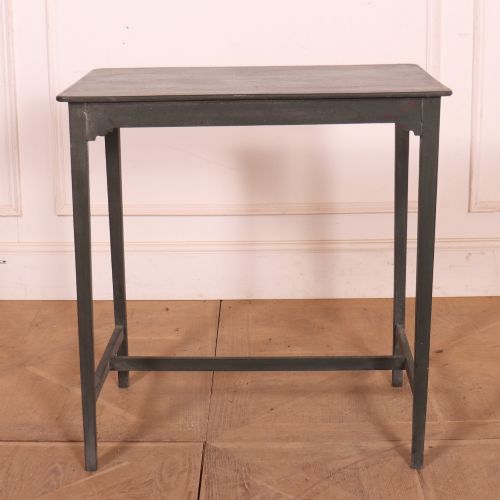
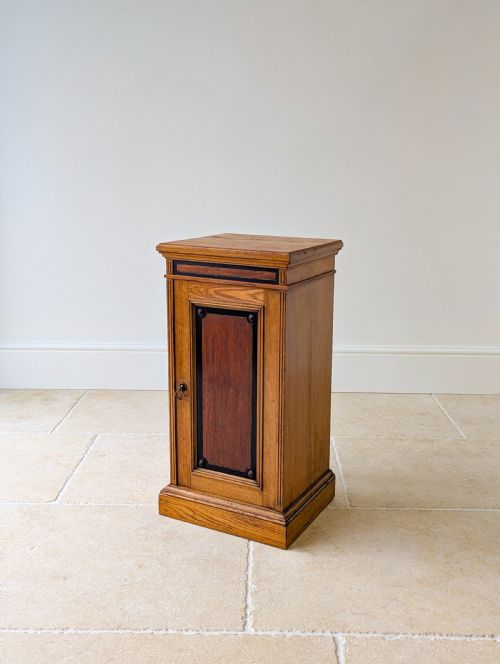
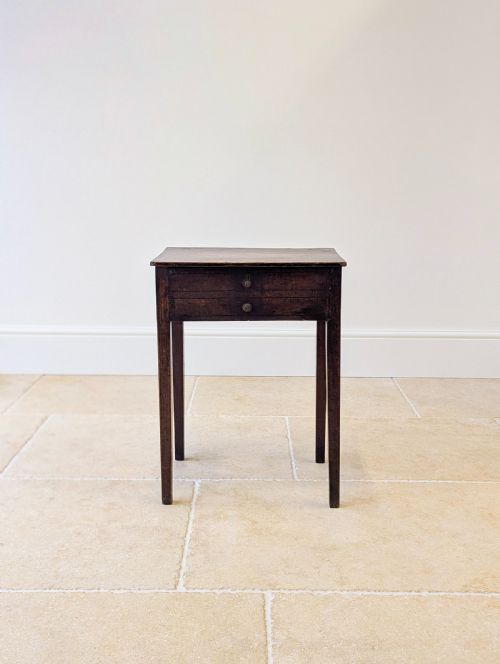
Forms vary considerably from open side tables with single drawers to enclosed storage cupboards and compact chests. Many listings present pairs suitable for matching bedroom layouts, constructed in various regional styles including French Provincial, Arts and Crafts, and Jacobean Revival.
Materials and construction methods
The primary material is oak, often complemented by secondary timbers such as ash, pine, and walnut, with occasional brass hardware fitted to drawers and doors. Surfaces display various finishes including dark wood or mahogany stains, wax treatments, and contemporary bleached effects.
Joinery relies on traditional methods appropriate to each period, ranging from solid board construction on early pieces to turned legs and panelled doors on later Edwardian and revival items. Some pieces incorporate painted finishes or simulated wood effects.
Oak Wood Nightstands Retail Price Guide 2026
Typical asking prices for oak wood nightstands among the pieces listed under this phrase on Sellingantiques today, from the lower quarter to the upper quarter. They describe what is for sale here now, not the wider market.
Listings feature oak alongside ash, pine, and walnut across periods from the eighteenth century to the nineteen-thirties.
Judging quality and character
Quality rests upon the selection of timber and the integrity of the original construction, where tight joinery and well-fitted drawers distinguish finer cabinet work. The handling of secondary woods and the application of finishes, whether traditional wax or applied stains, also indicate the standard of production.
The distinction between standard utility items and finer workshop pieces lies in the subtlety of details, such as bobbin turned legs, carved mouldings, or the balanced proportions found in Georgian and Arts and Crafts examples.
Hubert Simpson of Kendal·Betty Joel
The Oak Wood Nightstands Glossary
- Bedside cabinet
- A small enclosed piece of furniture with a door or drawers designed to stand beside a bed for concealed storage.
- Arts and Crafts
- A design movement prioritising traditional craftsmanship, honest construction, and simple forms without excessive ornamentation.
- Jacobean Revival
- A later style emulating seventeenth-century English furniture, characterised by heavy proportions, dark finishes, and turned supports.
- Bleached oak
- Timber treated with a chemical process to lighten its natural colour, frequently seen on twentieth-century French items.
- Lamp table
- A compact occasional table originally intended for holding a lighting fixture beside seating or a bed.
Oak Wood Nightstands: Frequently Asked Questions
What styles of oak nightstands are available?
The selection includes various traditional designs ranging from simple Edwardian side tables to French Provincial cabinets and Arts and Crafts pieces.
Earlier eighteenth-century Georgian influences also appear alongside revival styles.
Are matching pairs common?
Listings frequently feature pairs of bedside tables and cabinets, particularly from the early twentieth century and the nineteen-twenties.
These paired items suit symmetrical bedroom arrangements.
How do I care for antique oak furniture?
Maintain finished surfaces with appropriate waxes and avoid placing wooden furniture in direct sunlight or near heat sources.
Regular dusting with a soft cloth preserves the timber's condition.
What storage options do these pieces offer?
Configuration varies from open lamp tables with a single drawer to enclosed bedside cabinets with doors and small chests of drawers.
Storage capacity depends on the specific form and period.