

Oak Wood Dining Table
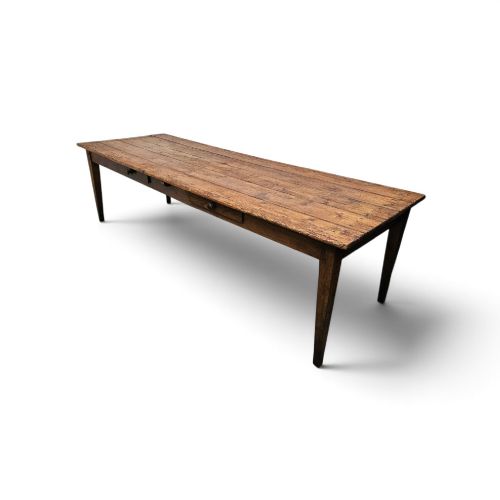
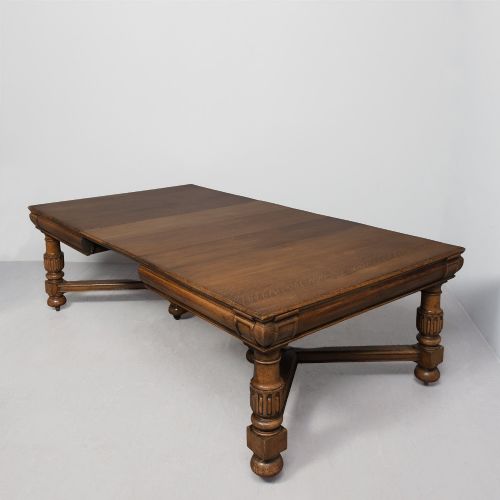
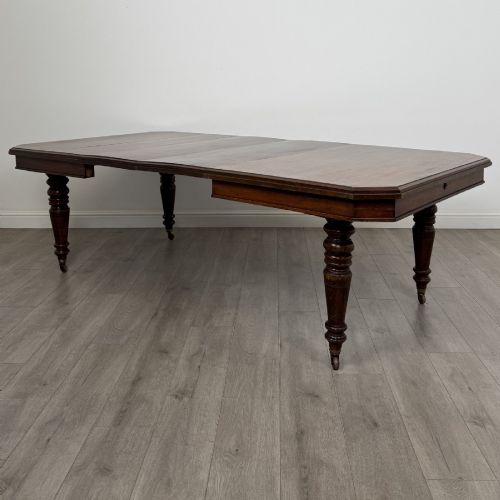
An oak wood dining table anchors the room with hard timber and honest grain, built to gather people for daily meals.
Oak Wood Dining Table
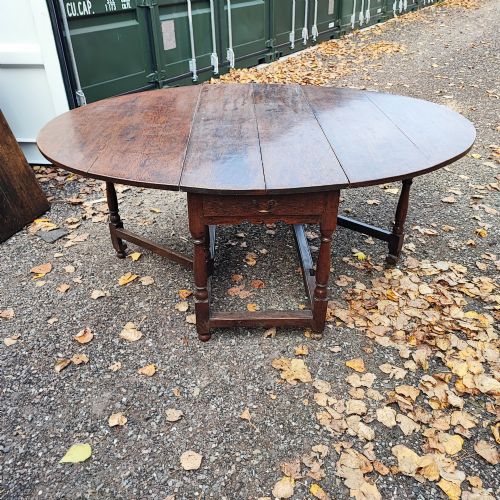
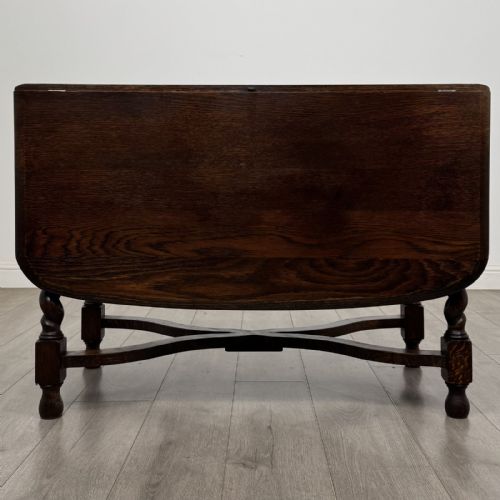
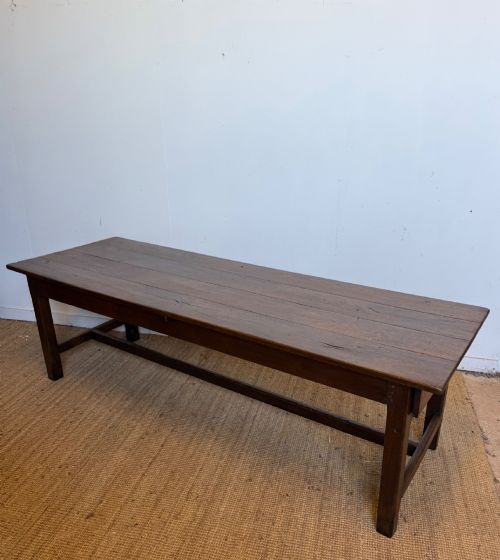
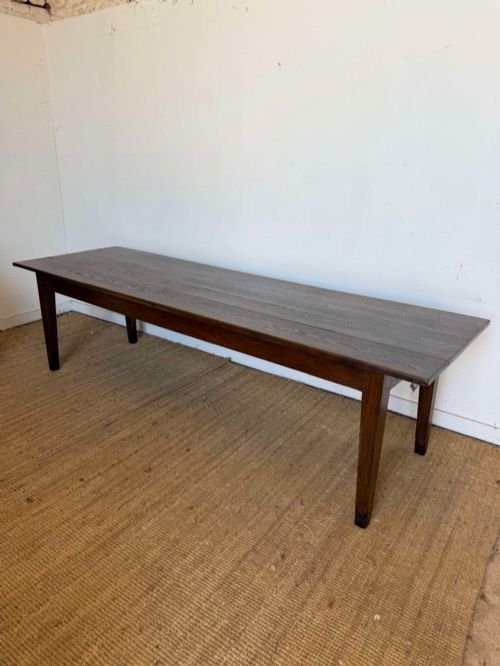
An oak wood dining table spans several centuries of domestic life, taking forms from sturdy tavern boards to gateleg drop leaf tables. Buyers hunting this phrase meet substantial timbers shaped for utility, often found in rustic farmhouse or refectory styles.
The selection ranges from seventeenth century plank tops to twentieth century bleached oak creations. Regional workshops in England, France and Sweden produced these boards using local timber including oak, pine and elm.
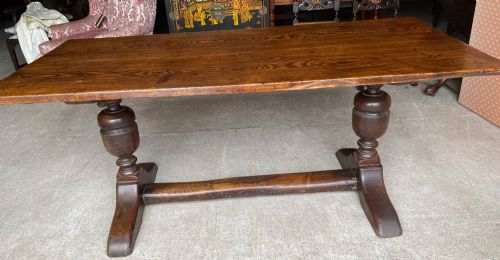
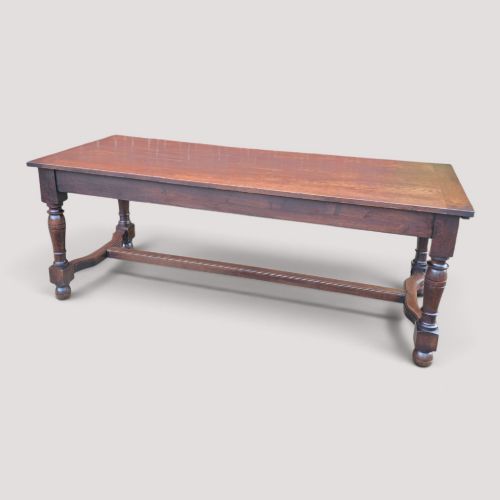
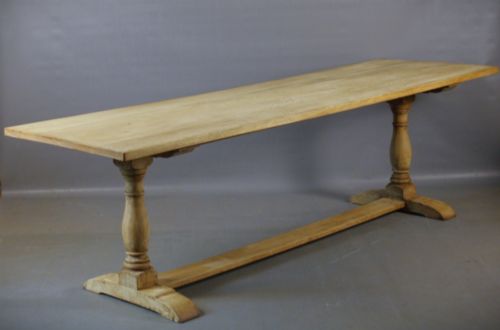
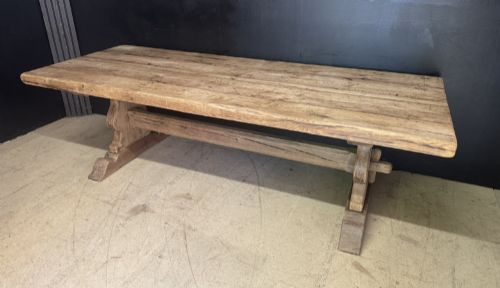
Kitchen tables and centre tables appear alongside larger refectory formats, offering long tops supported by turned baluster or trestle legs. Each piece carries the marks of heavy daily use, from scrubbed surfaces to carved aprons.
What varies in quality
Timber selection and plank thickness dictate the integrity of the board, separating heavy single plank tops from lighter multi-piece constructions. The choice between standard heartwood and burr oak introduces subtle shifts in visual depth across the surface.
Joinery execution defines the longevity of the frame, where pegged mortise and tenon joints outlast simple mechanical fastenings. Original leg turnings and untouched surface patinas retain historical value against later alterations.
Oak Wood Dining Table Retail Price Guide 2026
Typical asking prices for oak wood dining table among the pieces listed under this phrase on Sellingantiques today, from the lower quarter to the upper quarter. They describe what is for sale here now, not the wider market.
French wine tasting tables hide quiet histories of rural vineyards beneath their circular tops.
The Oak Wood Dining Table Glossary
- Refectory table
- A long, narrow dining table traditionally used in monasteries and large halls, featuring substantial timber tops and sturdy stretcher bases.
- Gateleg table
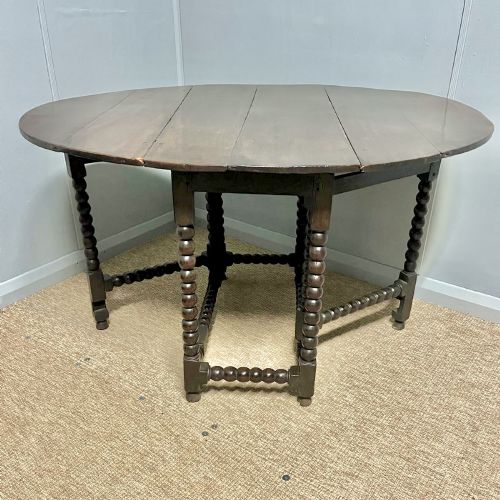
- A drop leaf table where the hinged leaves are supported by swinging legs that pivot outward like a gate.
- Draw leaf table
- A table equipped with sliding extension leaves stored beneath the main top, pulled out to lengthen the surface.
- Scrub top
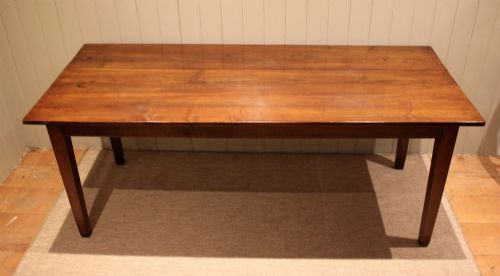
- A wooden tabletop cleaned repeatedly with water and sand, resulting in a pale, weathered texture common on kitchen furniture.
- Barley twist
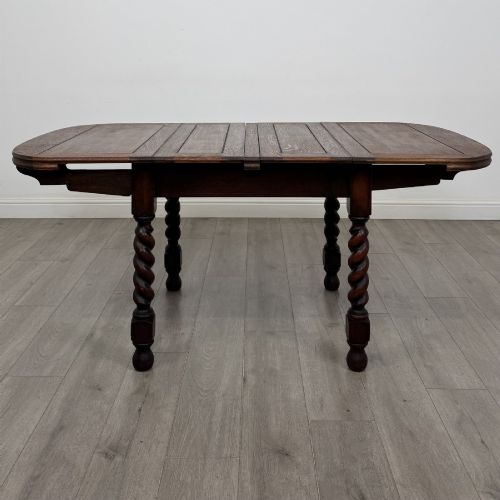
- A decorative turning shaped like a spiral or helix, popular on table legs from the seventeenth and early twentieth centuries.
Oak Wood Dining Table: Frequently Asked Questions
How do I clean an antique oak table?
Wipe the surface with a soft, slightly damp cloth to remove dust and daily grit. Avoid harsh chemical sprays that strip the aged polish from the wood.
Feed the timber occasionally with a quality beeswax to protect the grain and maintain its natural lustre. Keep the table away from direct heat sources to prevent the planks from splitting.
What is a refectory table?
A refectory table is a long, narrow dining table originally designed for communal dining in monastic refectories. They feature strong stretcher bases to keep the long span steady during use.
These tables work well in modern dining rooms where seating capacity and legroom are priorities. Their robust construction allows them to serve as the functional centrepiece of a busy kitchen.
How do I date an old oak table?
Examine the construction methods underneath the top, looking for handmade peg joints rather than modern metal screws. Tool marks left by hand saws and adzes indicate older manufacturing techniques.
Compare the leg style, such as barley twist or plain square tapering, against known periods of furniture design. The wear patterns on the edges of the wood also reveal decades of physical contact.
Are these tables suitable for daily use?
Solid oak construction makes these tables remarkably durable for everyday family meals and gatherings. Centuries of survival prove their structural resilience against heavy daily wear.
Using placemats and coasters helps protect the historic surface from hot dishes and moisture rings. Embracing minor marks allows the timber to accumulate character over time.