





Oak Wood Bedside Table
These oak wood bedside table pieces combine practical storage with timber character, offering solid construction and period detail.
Oak Wood Bedside Table
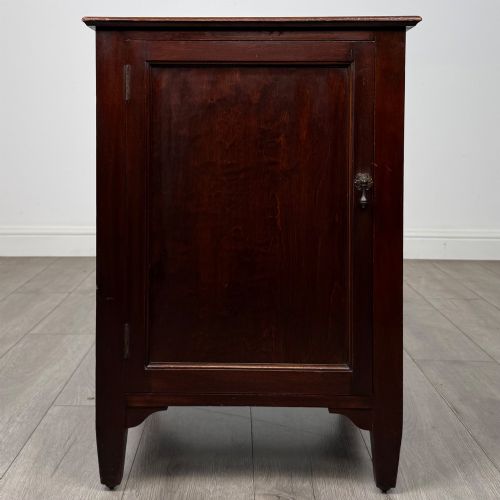
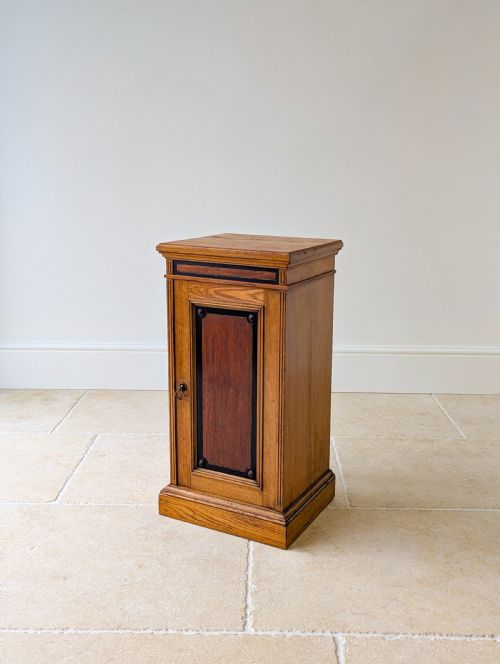
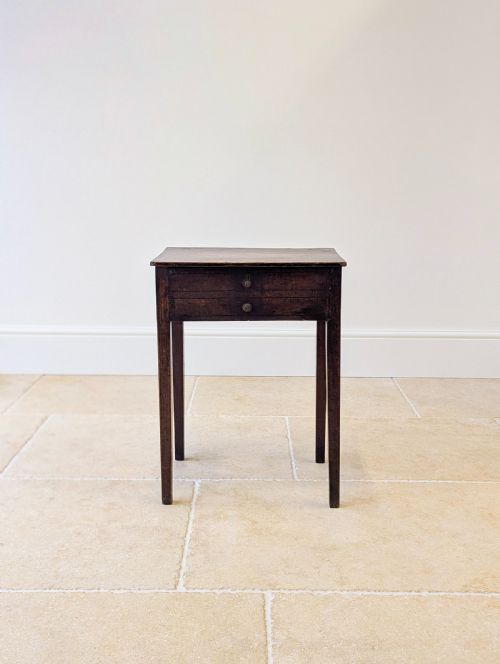
An oak wood bedside table provides a sturdy surface and storage beside a bed, taking forms from simple open side tables to enclosed single door cabinets and cupboards. These pieces originate across the nineteenth and early twentieth centuries, alongside earlier historical revivals.
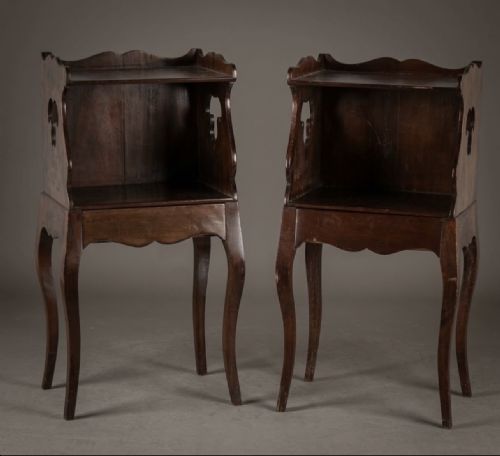
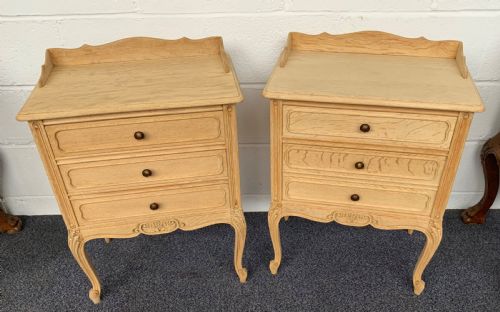
The selection here includes Edwardian and Victorian examples, alongside twentieth century pieces featuring bleached finishes and French provincial styling. Buyers encounter both single items and matched pairs designed to sit either side of a bed frame.
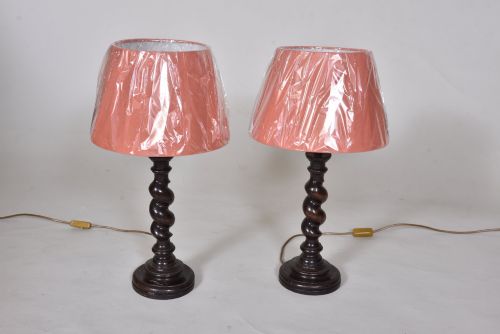
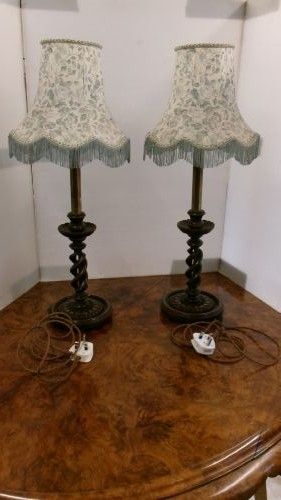
Beyond standard tables, the selection incorporates side cabinets, storage cupboards, and occasional lamp tables sharing the same timber foundation. This variety reflects how different periods adapted small tables for domestic chambers.
What Varies in Quality
Timber selection and grain consistency define the upper tier of these pieces, separating standard utility items from finer cabinet work. Superior examples display thoughtful proportion, integrated hardware, and careful attention to structural joints.
The integrity of surface finishes and the preservation of original or sympathetic treatments distinguish well kept pieces from those with heavy alterations. Craftsmanship in carved details or turned supports further separates standard production from accomplished workshop output.
Oak Wood Bedside Table Retail Price Guide 2026
Typical asking prices for oak wood bedside table among the pieces listed under this phrase on Sellingantiques today, from the lower quarter to the upper quarter. They describe what is for sale here now, not the wider market.
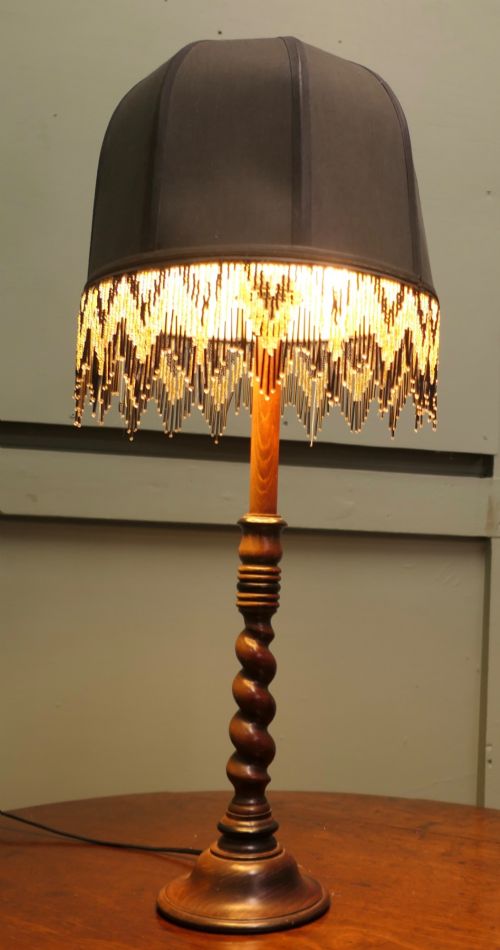
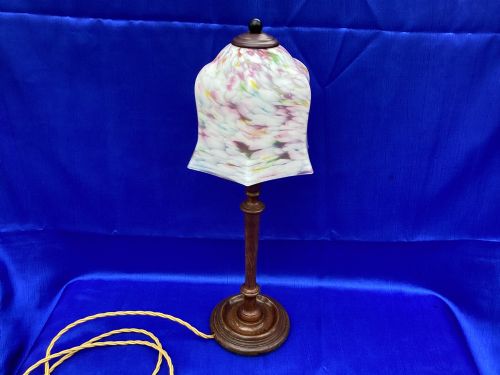
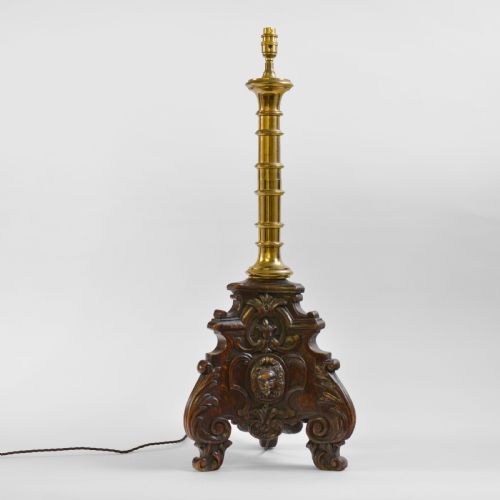
A solitary carved cherub watches over the bedroom from atop one unusual nineteenth century wooden lamp.
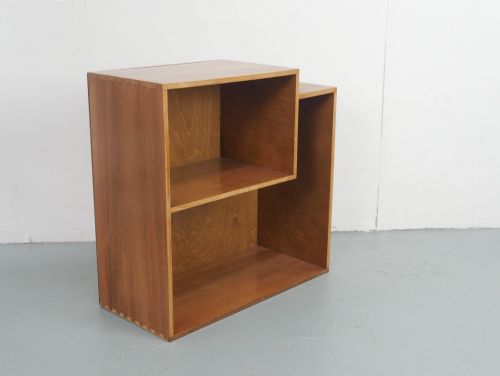
Betty Joel
The Oak Wood Bedside Table Glossary
- Edwardian
- Dating from the reign of Edward VII, this period favoured lighter forms and simplified interpretations of earlier styles. Pieces from this era often balance practical utility with understated decorative restraint.
- Victorian
- Spanning the nineteenth century, this era brought varied revival styles and robust construction methods to domestic furniture. Cabinets from this time frequently incorporate heavier timber framing and darker finishes.
- Bleached oak
- A timber treatment that lightens the natural tone of the wood to create a softer, more contemporary appearance. This finish appears frequently on twentieth century French provincial pieces.
- Bobbin turned
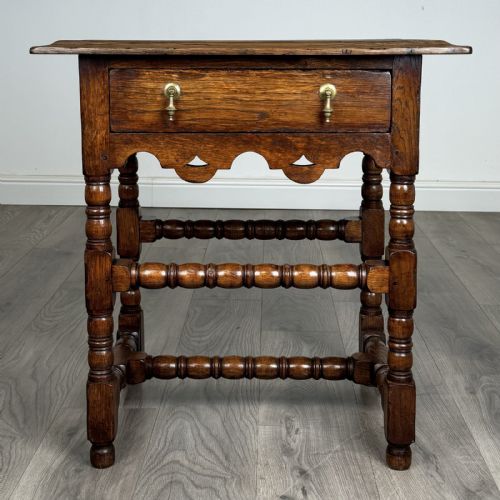
- A form of woodturning characterised by a series of rounded, spool like shapes repeated along the length of a leg or support. This decorative technique adds texture to structural components.
Oak Wood Bedside Table: Frequently Asked Questions
How do I spot an Edwardian bedside cabinet?
Edwardian cabinets typically exhibit lighter oak tones and simpler lines than their Victorian predecessors, reflecting a shift towards domestic brightness. They often rely on subtle mouldings rather than heavy carving.
Hardware on these pieces tends to be neat and restrained, matching the balanced proportions characteristic of the early twentieth century.
Are these tables usually found in pairs?
Many listings feature matched pairs designed to sit symmetrically on either side of a bed. Single pieces also appear frequently, originating from smaller rooms or individual bedroom settings.
Matching pairs often show consistent timber grain and identical hardware, though slight variations can occur in pieces adapted over time.
What is the difference between a table and a cabinet?
Bedside tables generally offer an open surface with lower shelves or simple tops, prioritising accessible placement for lamps and books. Bedside cabinets incorporate enclosed storage space behind doors or drawers.
Cabinets provide concealed organisation for personal items, whereas tables keep items within open view.
How do I care for a waxed oak surface?
Maintaining waxed oak involves regular dusting with a soft, dry cloth to prevent particulate build-up on the timber. Periodic application of a suitable beeswax preserves the finish and protects the wood from drying out.
Moisture and direct heat should be kept away from the surface to avoid marking the grain.