





Oak Wall Hanging Shelf
An oak wall hanging shelf brings practical timber storage and simple display directly to plain walls.
Oak Wall Hanging Shelf
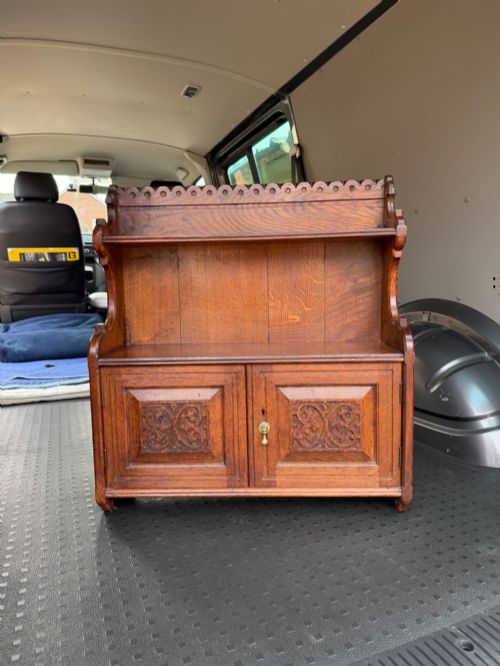
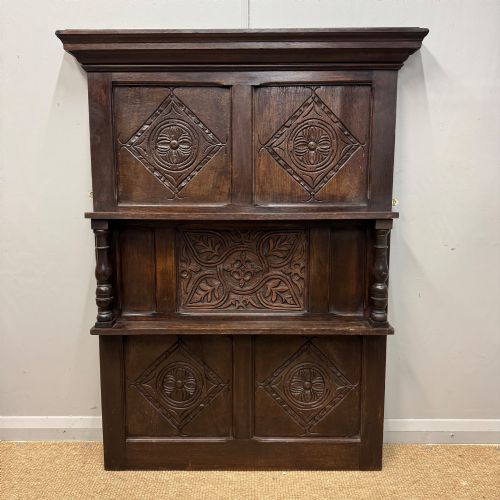
An oak wall hanging shelf provides vertical timber storage through domestic formats that range from early Georgian delft plate racks to late Victorian and Edwardian variations with integrated cabinets, mirrors, and magazine holders. These pieces mount directly to vertical surfaces to hold plates, books, and small household items without occupying floor space.
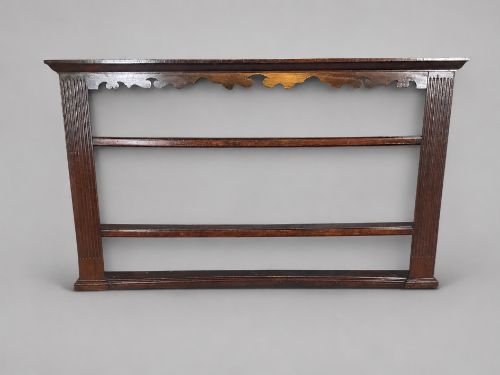
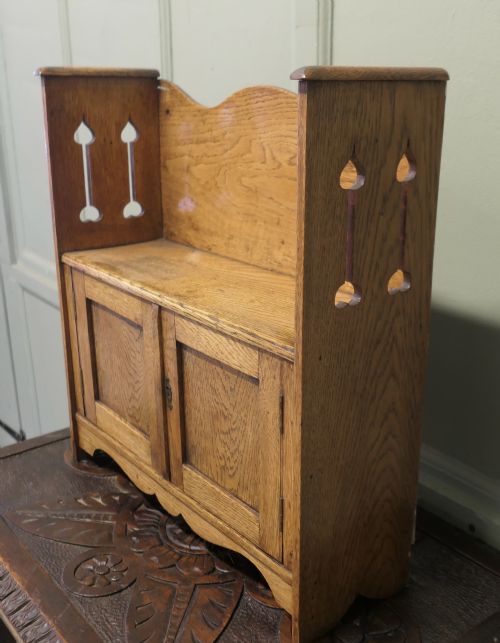
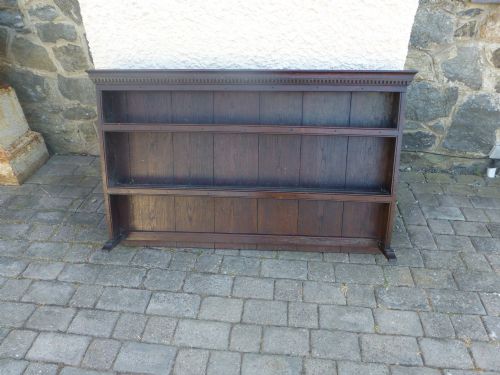
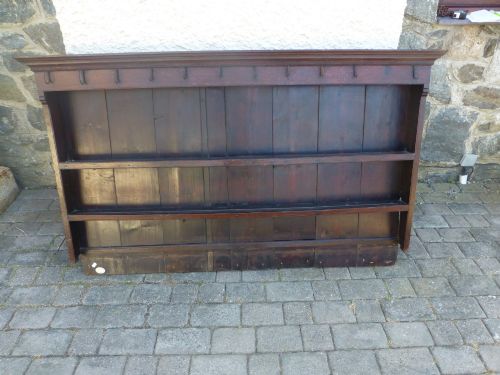
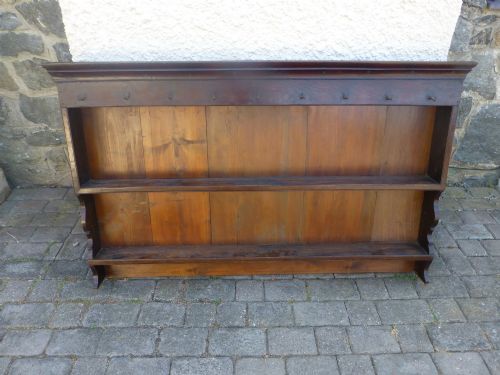
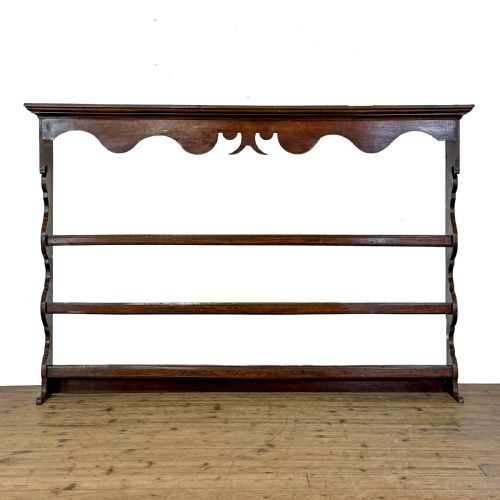
The version most commonly met on this page is the 18th-century oak delft rack designed to display ceramics above a dresser base, alongside later Arts and Crafts and Victorian hanging shelves constructed from solid timber.
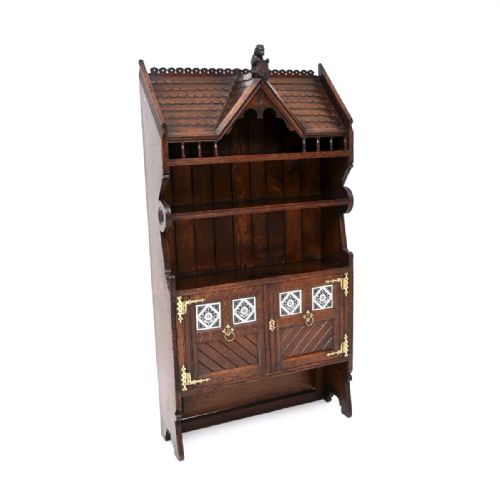
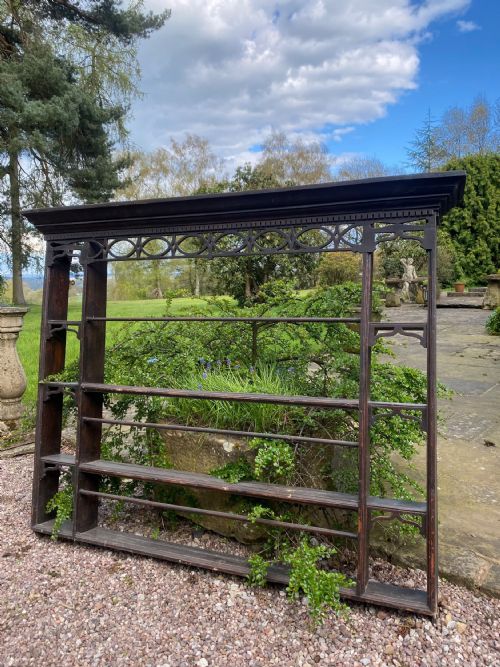
Makers and designers span traditional English country workshops to specific creative figures such as John Moyr Smith working within the Aesthetic Movement.
What varies in quality
Quality rests in the selection of the timber grain, the integrity of the structural joinery, and the retention of original brass or iron hardware rather than modern replacements.
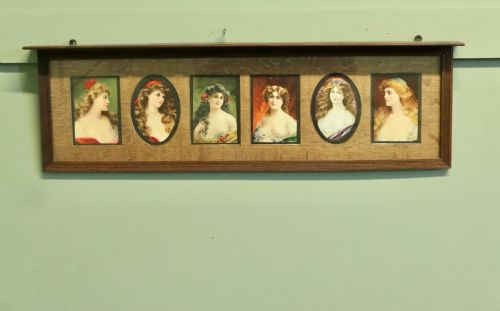
The presence of period carving, shaped shelves, and integrated elements like cupboards, mirrors, or ceramic tile accents elevates standard utility boards into refined decorative pieces.
Oak Wall Hanging Shelf Retail Price Guide 2026
Typical asking prices for oak wall hanging shelf among the pieces listed under this phrase on Sellingantiques today, from the lower quarter to the upper quarter. They describe what is for sale here now, not the wider market.
Several pieces double as secret key cabinets, combining mirror glass with hidden compartments for household management.
John Moyr Smith
The Oak Wall Hanging Shelf Glossary
- Delft rack
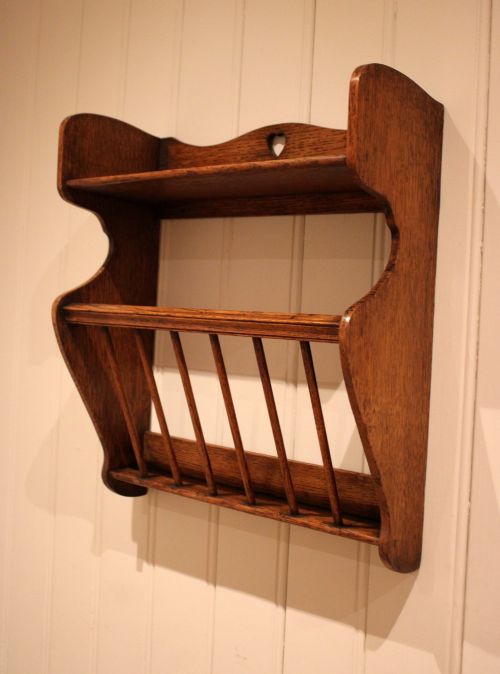
- An open wall-mounted wooden shelving unit traditionally used for displaying earthenware plates and ceramic vessels. These racks feature grooved ledges to keep plates upright.
- Aesthetic Movement
- A late 19th-century design style focusing on artistic visual qualities rather than narrative subject matter. Pieces from this movement often incorporate stylized decoration.
- Arts and Crafts
- A design movement emphasising handcraftsmanship, traditional materials, and simple utility. Hanging shelves from this tradition show exposed joinery and honest construction.
- Gothic Revival
- An architectural and decorative style drawing on medieval forms. Furniture in this category displays pointed arches, tracery, and heavy carved mouldings.
- Overmantel
- A decorative panel, mirror, or shelf placed directly above a fireplace opening. These fixtures often feature integrated display ledges.
Oak Wall Hanging Shelf: Frequently Asked Questions
How do I hang a heavy oak shelf safely?
Heavy oak shelves require direct attachment to wall studs or secure masonry fixings to support the considerable weight of the solid timber and displayed objects.
Using appropriate wall plugs and heavy-duty screws matched to the mounting brackets ensures the fixture remains stable over time.
What is the difference between a delft rack and standard shelves?
A delft rack incorporates specific grooves or wooden retaining rails designed specifically to hold ceramic plates upright against the backboard.
Standard wall shelves provide flat horizontal surfaces intended for general storage rather than plate display.
How do I date an antique oak wall shelf?
Dating relies on observing construction marks, hardware types, timber patination, and stylistic markers associated with periods like the Georgian era or the Arts and Crafts movement.
Hand-cut joints and original brass hinges indicate earlier manufacture, while machine-cut elements point toward later Victorian and Edwardian production.
Can I use these shelves in a modern bathroom?
Many Edwardian and Victorian variants were designed specifically for bathroom use as shaving mirrors with integrated key cabinets and small storage shelves.
Solid oak tolerates domestic environments well, provided it is protected from direct, continuous moisture exposure.