

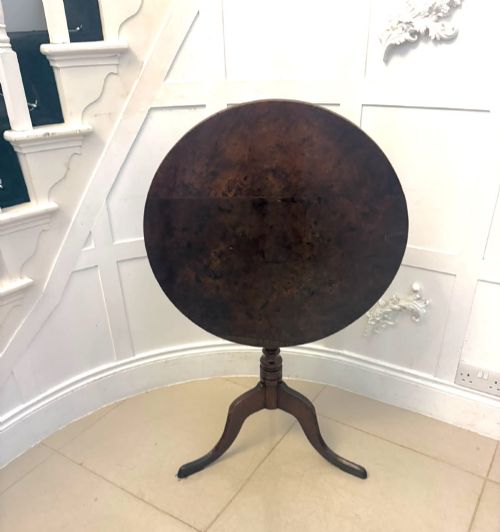
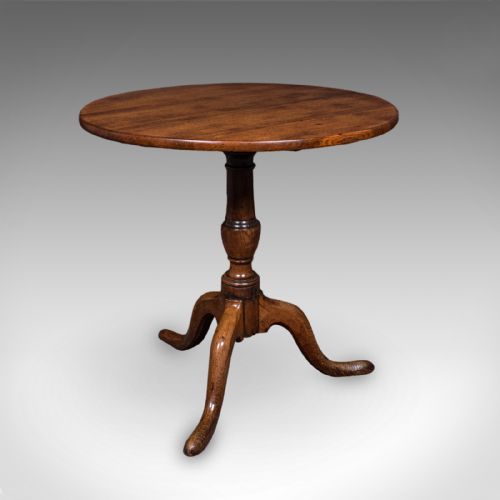
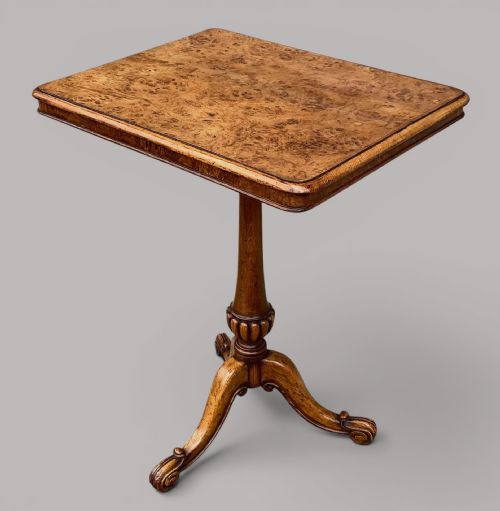
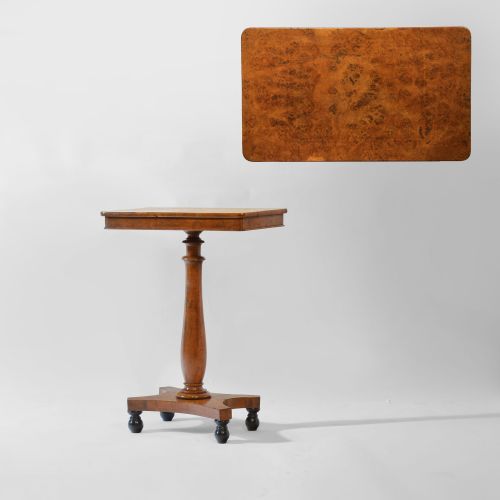

Oak Tripod Lamp Table
An oak tripod lamp table is a sturdy circular stand for lighting that balances practical utility with centuries of traditional woodworking.
Oak Tripod Lamp Table
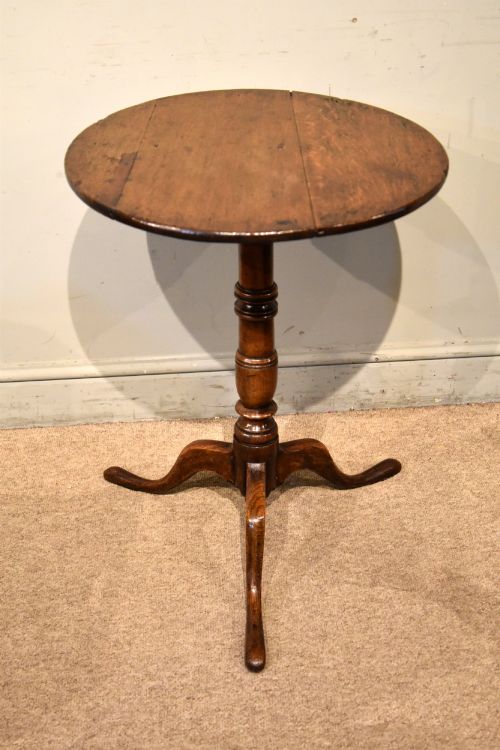
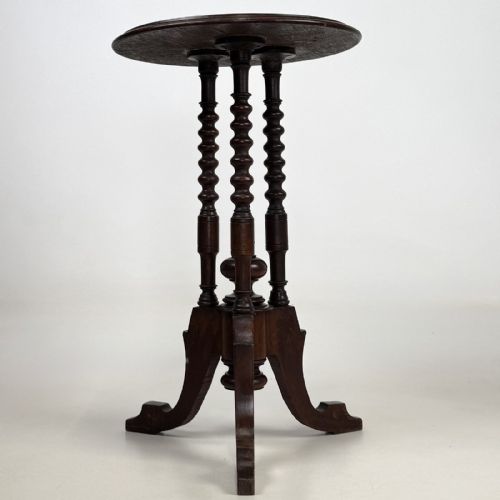
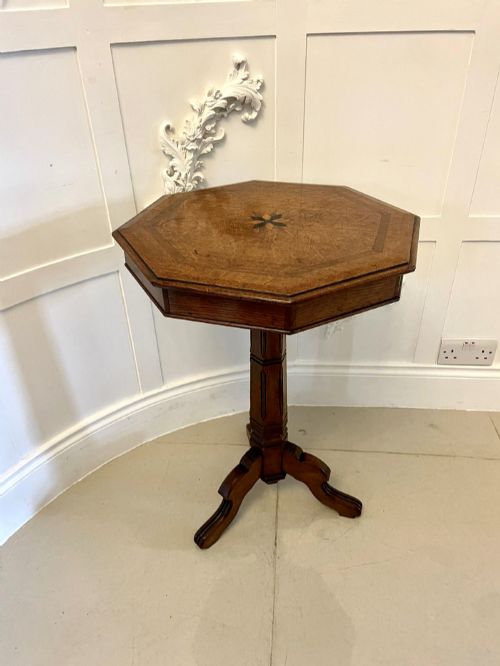
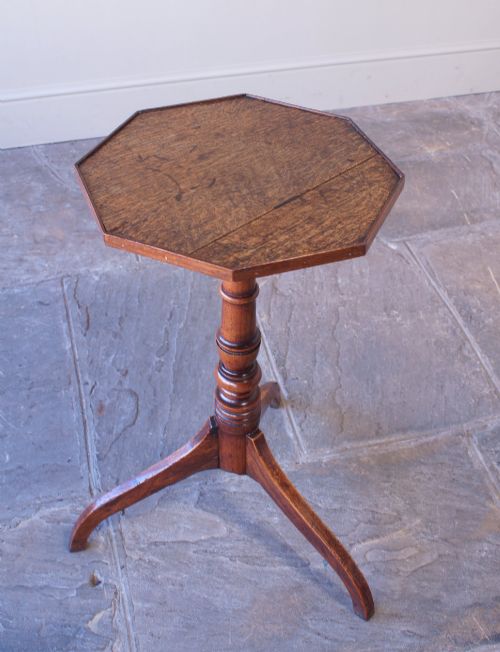
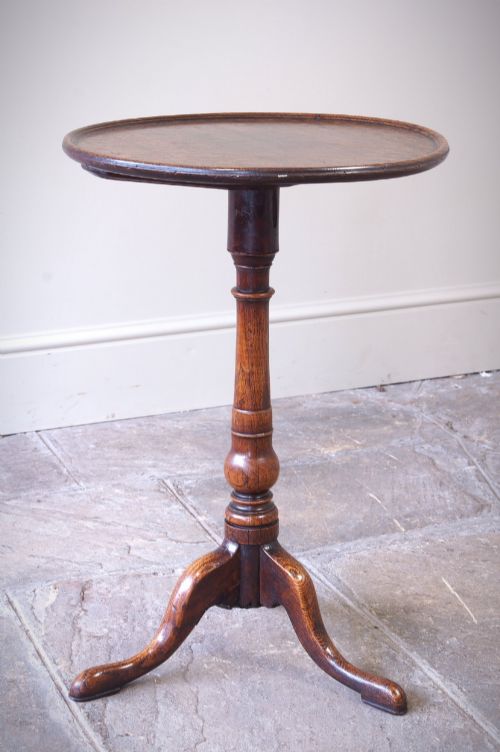
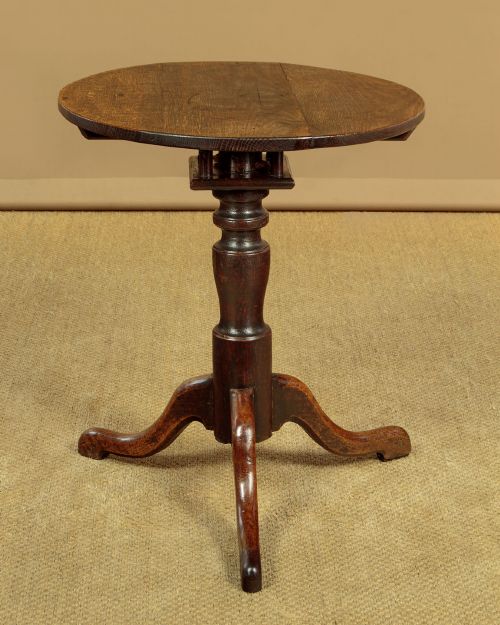
An oak tripod lamp table is a compact occasional piece designed to support candlesticks, lamps, or decorative objects upon a single central pillar supported by three splayed legs. When searching for an oak tripod lamp table, buyers encounter formats spanning the eighteenth, nineteenth, and early twentieth centuries, reflecting diverse regional tastes and workshop traditions.
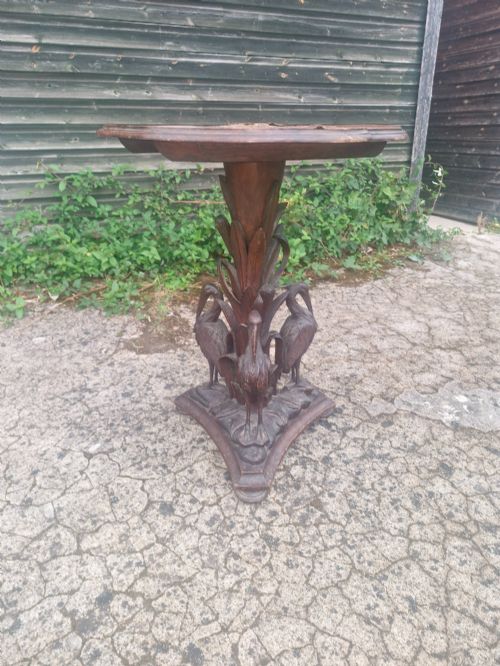
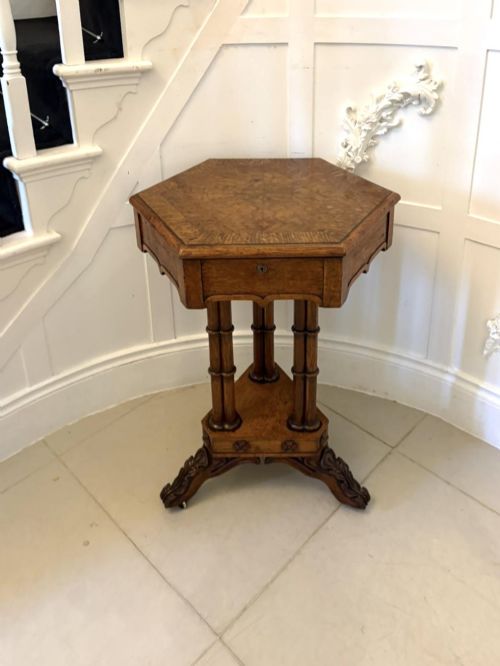
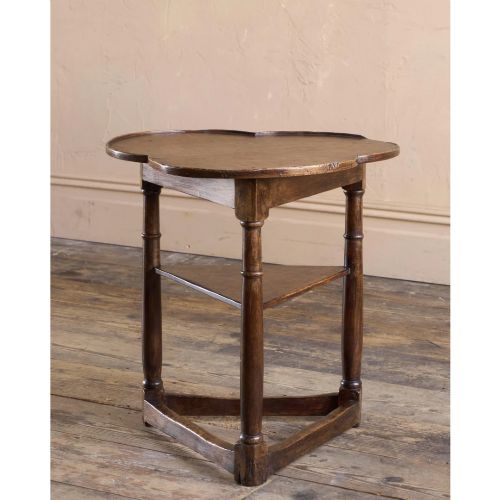
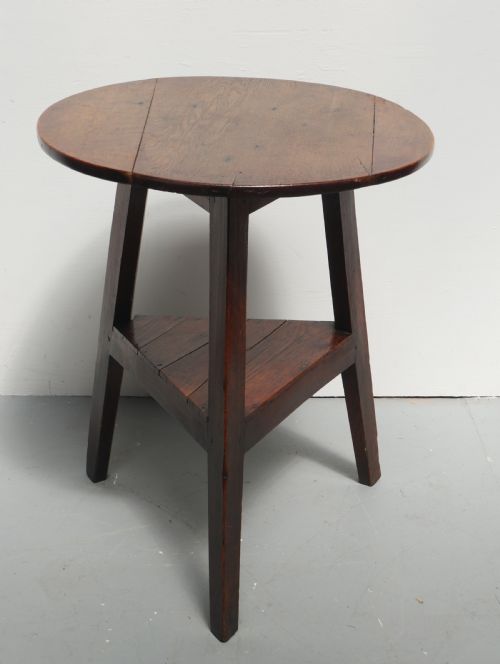
The pieces appearing on this page encompass varied utilitarian forms including cricket tables, wine tables, candle stands, and small side tables. Georgian and 18th-century examples tend to display simple plank tops or tilt mechanisms, whilst Victorian and Edwardian iterations incorporate carved bases, lift tops, or lower tiers.
Materials extend beyond standard oak to encompass burr oak, pollard oak, and figured timbers, occasionally combined with elm, pine, or beech beneath painted or bleached surfaces. These tables serve equally as functional bedside or living room lamp stands and as decorative focal points within traditional or rustic interiors.
Factors of quality
Quality rests upon the choice of timber and the character of the grain, with figured pollard oak, burr oak, and well-selected quarter-sawn oak commanding attention for their visual depth. The integration of secondary woods, such as elm or pine for bases, reflects the utilitarian origins of vernacular pieces.
Proportion and stability separate standard utility pieces from finer examples, evident in the taper and rake of the three tripod legs and the secure fit of the central pillar. Crispness of carving on bases or turned columns, alongside the original operational integrity of tilt-top mechanisms, distinguishes superior workshop output.
Oak Tripod Lamp Table Retail Price Guide 2026
Typical asking prices for oak tripod lamp table among the pieces listed under this phrase on Sellingantiques today, from the lower quarter to the upper quarter. They describe what is for sale here now, not the wider market.
Early makers ensured three legs stayed firmly planted on lumpy cottage floors where four-legged tables would wobble helplessly.
The Oak Tripod Lamp Table Glossary
- Cricket table
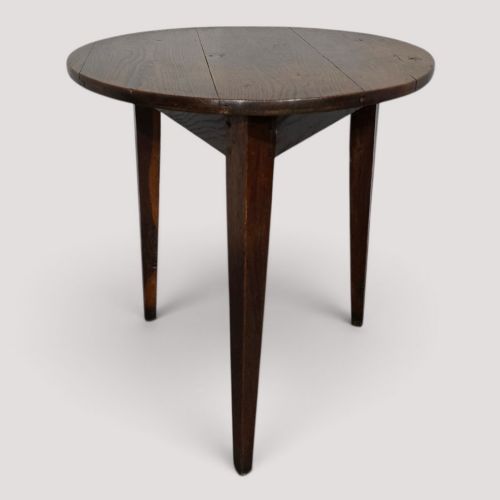
- A small round wooden table supported by three splayed legs, traditionally associated with vernacular English domestic use. These sturdy pieces often feature plank tops and simple triangular framing.
- Tripod table
- A small freestanding table standing on three legs radiating from a central pillar. This design ensures stability on uneven floors.
- Tilt-top table
- A table equipped with a mechanism allowing the top to pivot to a vertical position. This saved floor space when the furniture was not in active use.
- Pollard oak
- Oak timber harvested from trees that were cut back close to the trunk to encourage dense, highly figured branch growth. Cabinet makers prized this wood for its mottled and swirling patterns.
- Burr oak
- Timber taken from a tree growth abnormality where numerous small buds clustered, producing intricate swirling grain patterns. It was frequently utilised for decorative table tops.
Oak Tripod Lamp Table: Frequently Asked Questions
What is an oak tripod lamp table used for?
These pieces function primarily as small stands for portable lighting, holding table lamps, candlesticks, or reading accessories beside seating.
They also serve as decorative display surfaces for small ornaments, occasional drinks, or books within living spaces and hallways.
How do I identify an 18th-century oak table?
Eighteenth-century examples often exhibit pegged joinery, hand-planed surfaces, and simpler vernacular proportions associated with Georgian country workshops.
Examination of the underside and grain reveals hand-cut timber characteristics distinct from later machine-sawn Victorian production.
What is a cricket table?
A cricket table is a specific three-legged vernacular form typically constructed from oak or elm with a circular top.
Its three-legged design provided inherent stability on uneven flagstone or rush-strewn floors in early cottages.
How do I care for antique oak furniture?
Maintain the timber by applying traditional beeswax periodically to nourish the wood and preserve the natural patina without building up heavy chemical residues.
Position tables away from direct heat sources and strong sunlight to prevent timber shrinkage and splitting.