


Oak Tester Bed
An oak tester bed brings architectural presence and centuries of craft to a bedroom, anchoring the room with solid timber and canopy work.
Oak Tester Bed
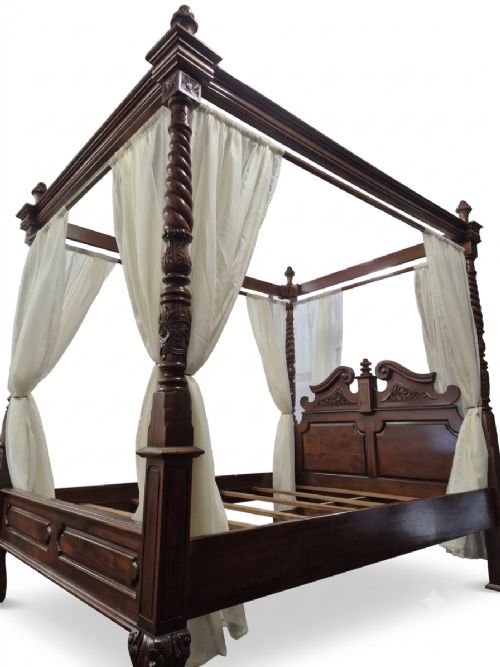
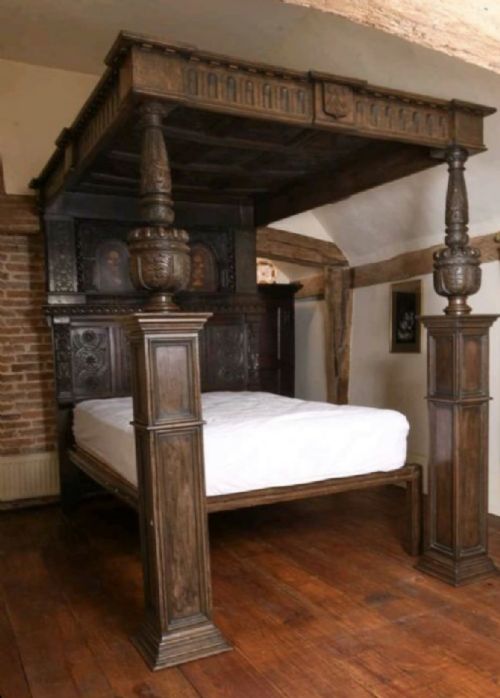
An oak tester bed is a substantial piece of sleeping furniture defined by its wooden canopy overhead, known as a tester, which is supported by four vertical posts. When buyers search for an oak tester bed, they encounter forms ranging from authentic seventeenth-century constructions to later revival pieces from the Victorian and Arts and Crafts periods. These beds combine structural timber frames with enclosed overhead canopies designed to hold textiles or display carved woodwork.
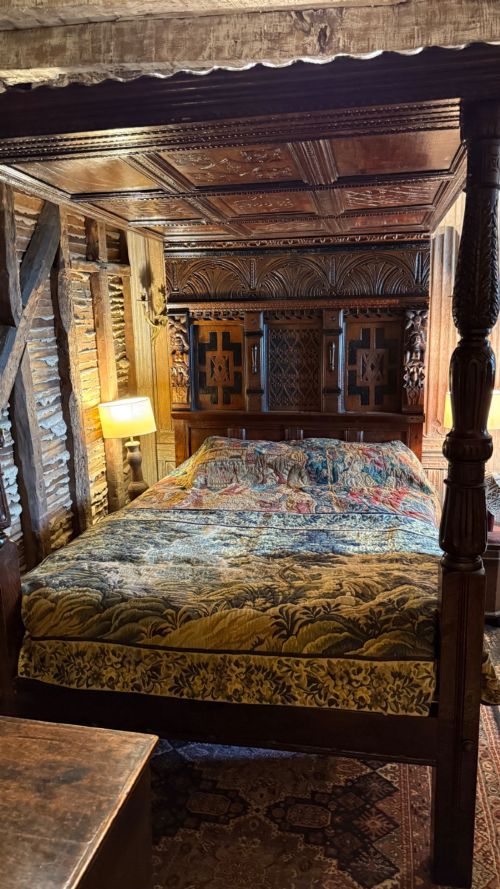
The versions most frequently met on this page span the seventeenth century alongside nineteenth-century interpretations built in Jacobean, Elizabethan, and Victorian Gothic styles. Surviving examples often incorporate panelled headboards, hand-carved ornamentation, and occasional fruitwood inlay across the main structural framework. Buyers find both full tester designs, which cover the entire bed, and half tester configurations that project only over the head of the mattress.
How they were made
The construction of an oak tester bed relies heavily on solid oak and associated hardwoods joined through traditional carpentry methods such as mortise and tenon joints secured by wooden pegs. Workshops utilised hand-carved decoration on the headboards, posts, and friezes, sometimes embellishing the primary oak with fruitwood inlay or paint. Structural integrity was achieved by heavy timber posts supporting a substantial overhead wooden canopy framework.
Textiles and fabric played an integral role in the original construction of these beds, functioning as curtains and ceiling linings to retain warmth within the tester. Brass hardware and fastenings occasionally supplemented the wooden joinery, while secondary timbers such as fruitwood were selected for contrasting detail work on panelled surfaces.
What varies in quality
The division between simpler examples and the finest pieces rests upon the depth, sharpness, and execution of the hand-carved ornamentation across the posts and headboard panels. Superior beds display crisp architectural moulding and harmonious proportions where the timber selection shows consistent grain and colour across the heavy frame. Later revival pieces vary according to how closely the maker adhered to seventeenth-century proportions and joinery techniques.
Another distinction lies in the integrity of the structural frame, particularly the survival of original tester canopies and uncompromised support posts. The presence of period decorative elements, such as contemporary fruitwood inlay or well-executed panel work, elevates the standing of an individual bed within its period.
The Oak Tester Bed Glossary
- Full tester
- A canopy frame that extends the entire length of the bed, covering both the head and foot sections. This form requires four full-length supporting posts.
- Half tester
- A canopy that projects only over the head of the bed, supported solely by the two head posts. It leaves the lower portion of the bed uncovered.
- Frieze
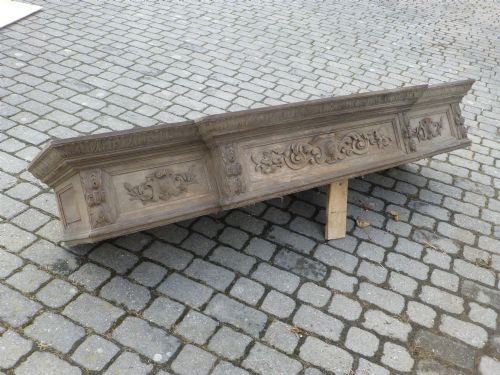
- The decorative horizontal band situated immediately beneath the upper edge of the tester canopy. It is frequently enriched with carved scrolling or geometric motifs.
- Mortise and tenon
- A traditional woodworking joint where a projecting tongue fits snugly into a corresponding cavity. This method provides the primary structural strength for seventeenth-century frames.
Oak Tester Bed: Frequently Asked Questions
What is an oak tester bed?
An oak tester bed is a heavy timber bedstead featuring four vertical posts and an overhead wooden canopy. They were traditionally built to hold fabric curtains that provided privacy and warmth during sleeping hours.
Today, these beds function as monumental focal points in large bedrooms. They combine structural oak framing with historical woodworking styles spanning the seventeenth century and subsequent revival eras.
How do I fit a modern mattress?
Many historical and revival tester beds accommodate standard modern mattress sizes like double, queen, or super king, though internal dimensions can vary slightly. It is essential to check the exact width and length of the bed frame against your specific mattress requirements before purchase.
Some period frames may require bespoke mattress sizing or minor internal adjustments to sit correctly on the wooden rails. Consulting the specific measurements listed for each bed ensures a proper fit.
How do I tell seventeenth-century from Victorian?
Seventeenth-century beds exhibit authentic period joinery, hand-carved patination, and construction methods characteristic of the period, often utilising pegged mortise and tenon joints. The timber typically shows deep natural ageing and surface wear accumulated over centuries.
Victorian and later revival pieces, such as those built in the Jacobean or Gothic styles, often utilise machine-assisted elements or display cleaner, more uniform timber finishes. Examining the tool marks, construction hardware, and overall wear helps distinguish original seventeenth-century work from nineteenth-century copies.
How do I care for the oak?
Maintaining an oak tester bed involves keeping the timber away from direct heat sources and sudden temperature fluctuations that can cause the wood to split. Regular dusting with a soft, dry cloth preserves the finish without requiring heavy polishes.
Occasional application of traditional beeswax helps nourish old hardwood surfaces and maintain their natural lustre. Avoid synthetic cleaning sprays that can damage historical finishes over time.