



Oak Storage Side Table
An oak storage side table brings enduring timber and practical utility together, offering compact surfaces alongside concealed space for any room.
Oak Storage Side Table
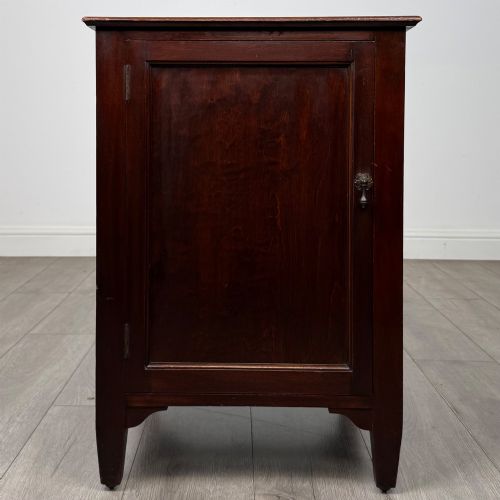
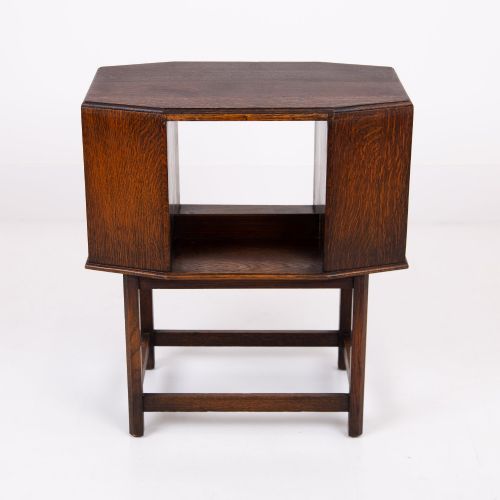
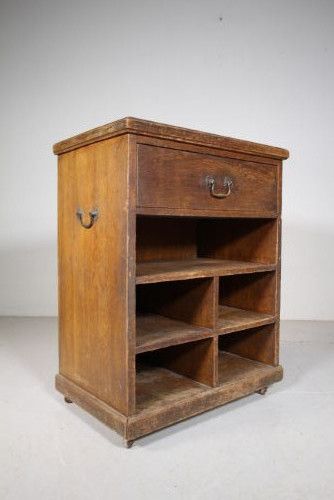
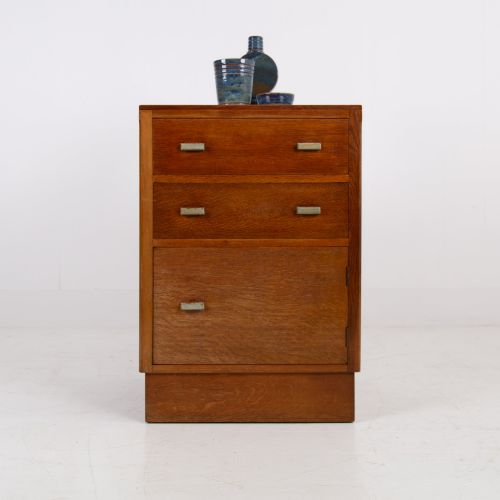
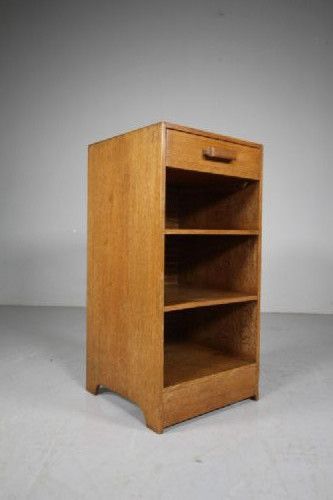
An oak storage side table combines a compact footprint with enclosed compartments, taking forms such as bedside cupboards, side cabinets, and small dressers. These practical pieces serve rooms where surface space and hidden storage matter equally.
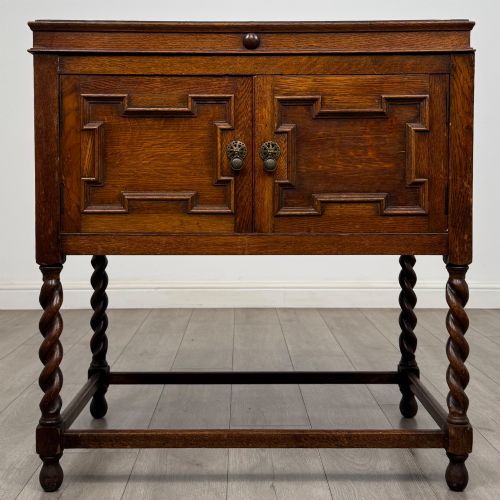
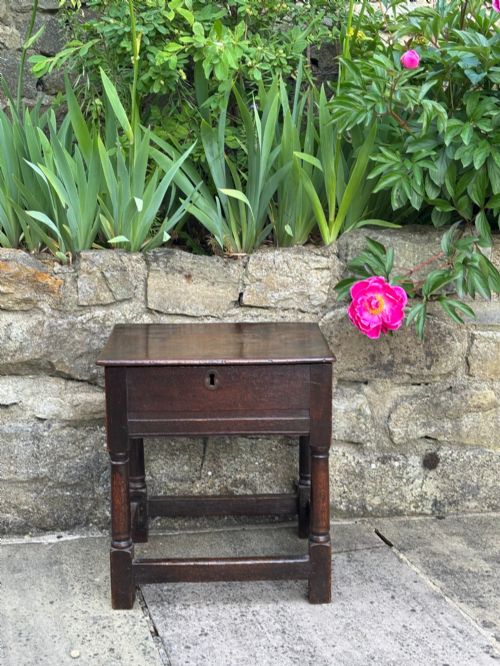
The selection ranges from early box stools and Victorian teapoys to 1930s modernist cabinets and Edwardian cupboards. The Edwardian and nineteen-twenties versions appear most frequently, spanning styles from Jacobean revival to clean art deco lines.
Makers and workshops utilised solid oak and stained wood, often integrating brass or iron hardware and occasionally ceramic tiles. Every example balances table surfaces with internal room for books, bottles, or household items.
Materials and Construction
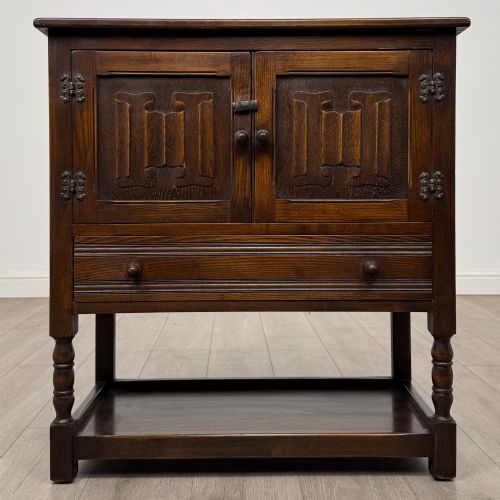
Makers relied on solid oak and stained wood to build these sturdy frames, shaping timber that endured heavy daily use. Panels and doors often feature carved ornamentation, linenfold details, or plain surfaces depending on the period.
Metal components such as brass handles, iron hinges, and occasionally brass binding added functional strength and contrast to the dark or bleached timber. Ceramic tiles also appeared in specific arts and crafts designs, set directly into the wooden top.
An eccentric brass-bound Guinness bottle storage barrel waits quietly among the cupboards, proving that antique storage took many spirited forms.
Assessing Quality and Craft
The standard of timber selection and joinery defines the upper tier of these pieces, distinguishing solid construction from simpler assembled items. Heavy panel work, tight joints, and well-fitted doors indicate careful workshop production.
Proportion and the handling of period styles also separate the finer examples from standard production. Well-balanced proportions and crisply carved details show the hand of a skilled cabinetmaker.
Gomme·Heals
The Oak Storage Side Table Glossary
- Box stool
- A low seat with a hinged lid that opens to reveal a storage compartment within the frame. These early pieces function as both seating and small storage tables.
- Court cupboard
- A traditional enclosed cabinet with upper and lower tiers used for displaying and storing plate and provisions. Later iterations provide compact storage within side furniture.
- Teapoy
- A small stand or table designed originally to hold tea caddies, often featuring internal compartments or a hinged lid. Victorian versions frequently incorporate fitted storage zones.
- Linenfold
- A style of carved wooden panelling that resembles folded fabric, popular during the Tudor and revival periods. This decorative motif adds texture to cabinet doors and side panels.
Oak Storage Side Table: Frequently Asked Questions
How do I date an oak storage side table?
Examine the construction methods, handle types, and stylistic cues present in the woodwork. Tool marks, joint styles, and specific revival motifs help anchor the piece to a particular era.
Compare the overall form against documented pieces from periods like the Edwardian era or the nineteen-thirties. Hardware and secondary woods also offer reliable clues to the date of manufacture.
Where should I place a side table with storage?
These compact pieces fit naturally beside a bed, next to an armchair in a living room, or along a hallway wall. Their dual nature provides a surface for lamps while hiding clutter inside.
Ensure the door swings or lid lifts clear of surrounding furniture before final placement. Their modest proportions allow them to integrate into smaller rooms without dominating the floor space.
How do I care for antique oak furniture?
Dust the timber regularly with a dry, soft cloth to prevent particle buildup on the carved surfaces and joints. Avoid placing the piece in direct sunlight or near heat sources to keep the oak from drying out.
Apply a traditional beeswax polish sparingly when the wood appears dry, buffing it gently to maintain the natural sheen. Keep metal hardware clean and free of moisture to protect the surrounding grain.