

Oak Side Table Shelf
An oak side table shelf brings honest timber and useful lower tiers into a room, offering sturdy charm for everyday placement.
Oak Side Table Shelf
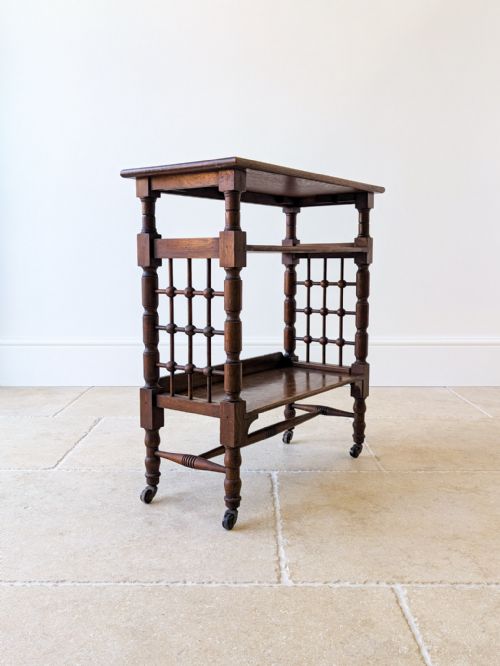
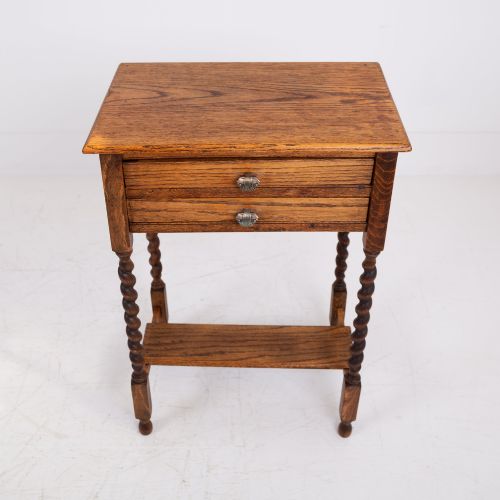
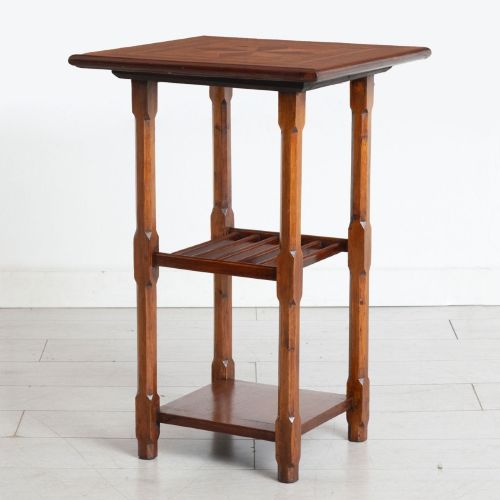
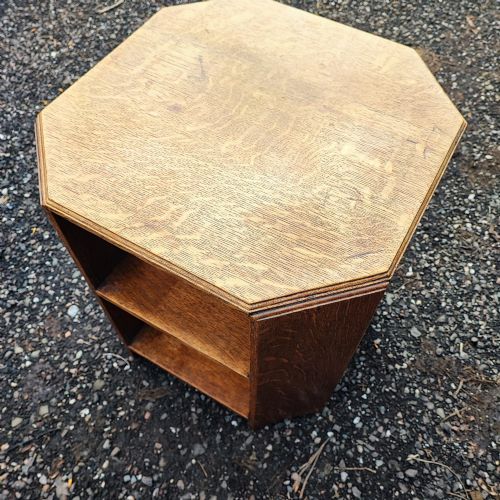
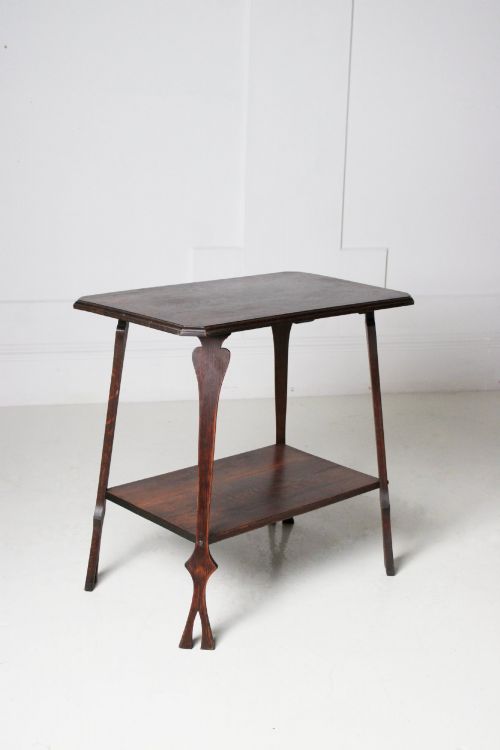
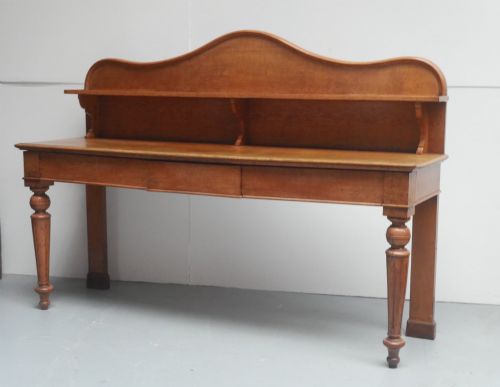
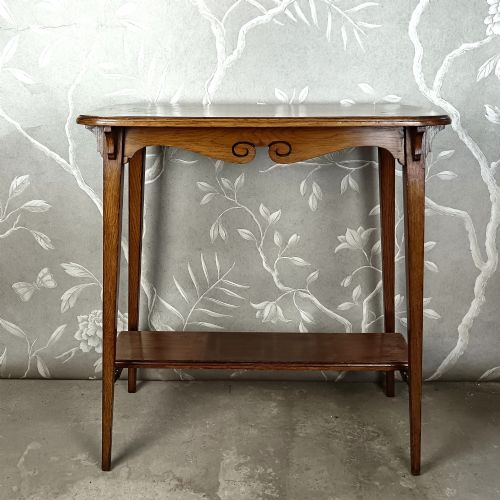
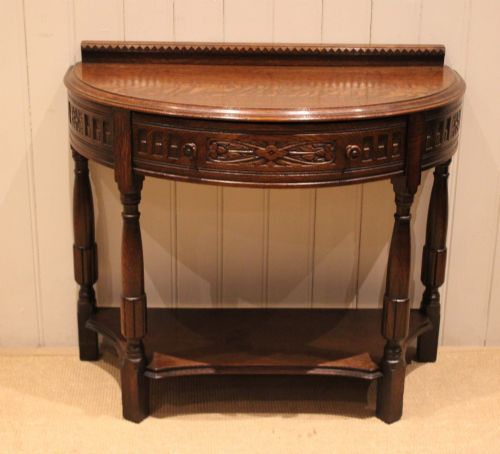
When you search for an oak side table shelf, you are looking at practical wooden furniture designed with a lower tier or potshelf for storage and display. These pieces span centuries of craftsmanship, ranging from simple 18th century country designs to structured Arts and Crafts and 1930s creations.
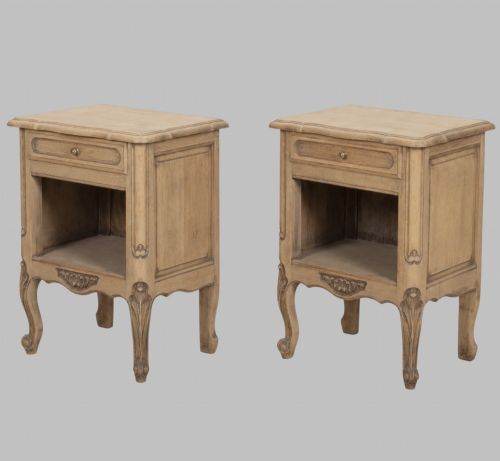
You will most frequently encounter compact occasional tables, two-tier tables, and bedside forms made of solid oak. They appear in styles including English country vernacular, French provincial, and Jacobean revival, often featuring integrated lower shelves.
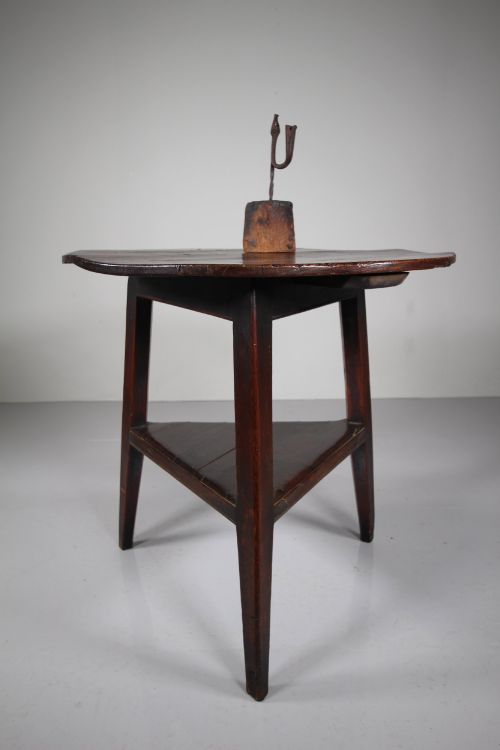
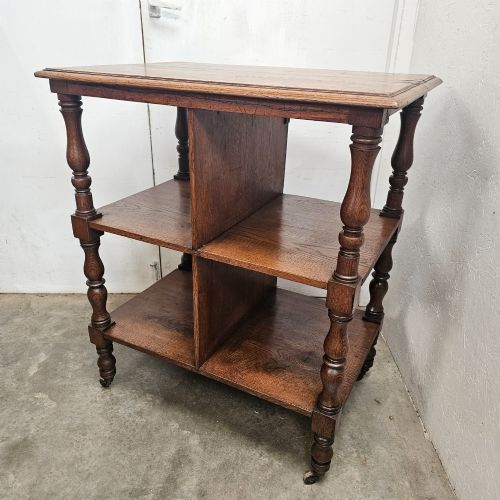
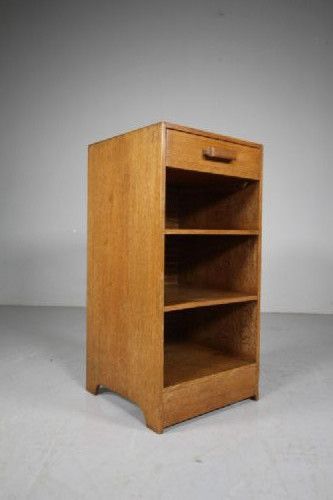
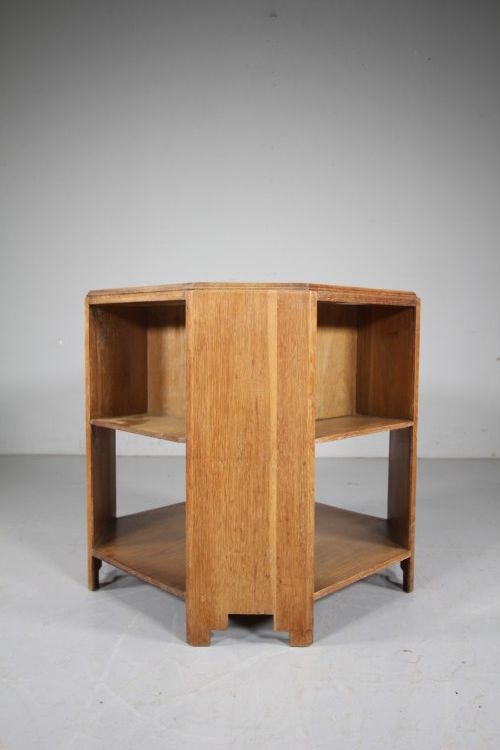
The assortment on this page covers everything from rustic cricket tables to refined bookcase tables and etageres. Each piece utilises its lower shelf to add functional surface area without claiming extra floor space.
Materials and construction
The primary material across these pieces is solid oak, sometimes paired with secondary timbers like cherry or enhanced by specimen wood and inlaid timber details. Construction relies on traditional joinery methods that allow the dense timber to support lower shelves and upper surfaces securely.
Metal elements such as brass and iron appear occasionally for hardware or structural bracing, while select French examples incorporate marble tops and canework. Surfaces are often finished to highlight the natural grain, or left with a bleached appearance depending on the period.
Several tables include dedicated storage for books or sewing, proving that our ancestors loved a tidy lower shelf just as much as we do.
Judging quality and character
Quality in these tables rests upon the selection of the timber and the integrity of the joints connecting the lower shelf to the legs. Superior examples show careful grain matching and robust construction that prevents wobble in multi-tiered designs.
The distinction between ordinary and exceptional pieces also lies in the restraint of the carving and the proportion of the lower shelf. Makers who paid attention to the balance between upper and lower surfaces produced tables that feel grounded and enduring.
Heals·Krieger of Paris·Soane et Loire
The Oak Side Table Shelf Glossary
- Cricket table
- A small, light, three-legged table with a round wooden top, traditionally featuring a lower shelf or stretchers.
- Étagère
- A piece of furniture consisting of open shelves for displaying small objects, often integrated into tables from the 19th century onwards.
- Arts and Crafts
- A design movement valuing handcraft, honest materials, and simple construction over mass production.
- Dresser base
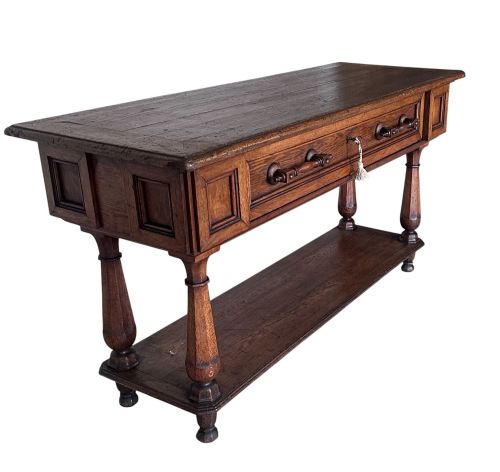
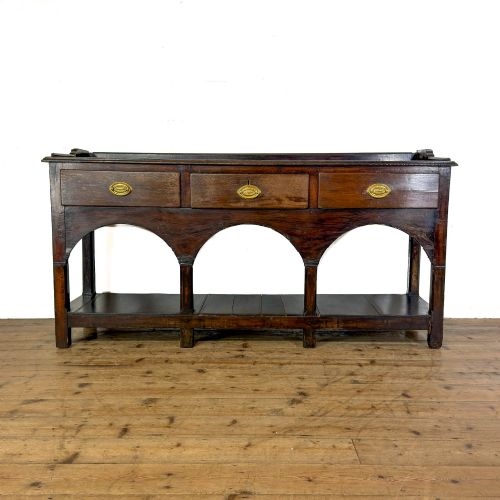
- A long, sturdy table with drawers and frequently a lower pot board or shelf used for storage.
Oak Side Table Shelf: Frequently Asked Questions
What is an oak side table shelf used for?
These tables serve multiple domestic purposes, acting as bedside stands, lamp tables, or hallway surfaces for books and small objects. The lower shelf provides extra space to keep surfaces tidy.
Their compact footprints make them versatile additions to sitting rooms and studies where surface area is needed without bulk.
How do I identify an older oak table?
Look at the construction methods, tool marks, and how the legs meet the top and lower shelf. Earlier pieces often show hand-planed surfaces and pegged joints.
Materials and hardware also offer clues, as brass fittings and specific timber cuts align with distinct periods like the 18th century or the Arts and Crafts movement.
Are lower shelves original to these tables?
Most lower shelves and potshelves on these tables are integral to their original design, providing structural stability as well as storage. On pieces like cricket tables and etageres, the lower tier is fundamental to the form.
Examining the joinery where the shelf attaches will usually confirm whether it belongs to the original construction.
How do I care for antique oak furniture?
Keep oak tables away from direct heat sources and dramatic humidity changes to prevent the timber from splitting. Regular dusting with a dry cloth keeps the surface clean without stripping the finish.
Applying a traditional beeswax occasionally helps nourish the wood and maintain its natural lustre over the years.