

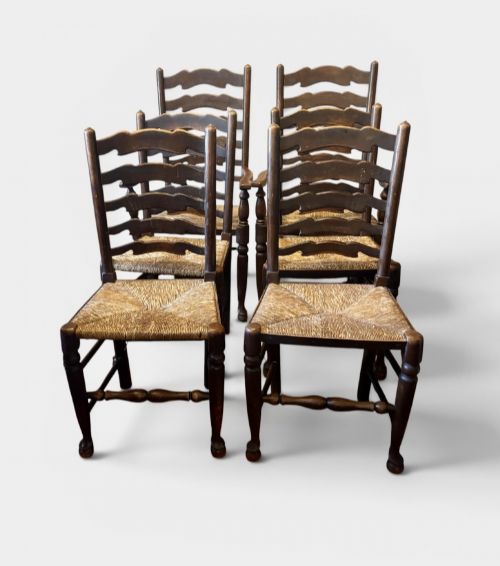


Oak Rush Seat Chair
An oak rush seat chair brings sturdy country craftsmanship and tactile woven texture into a room.
Forms and periods of the oak rush seat chair
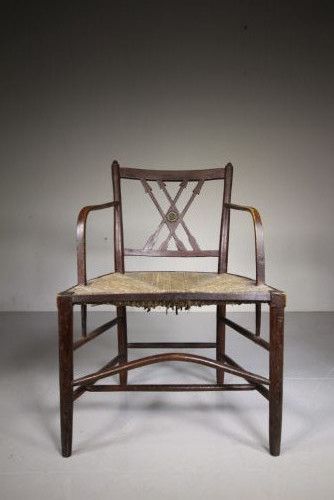
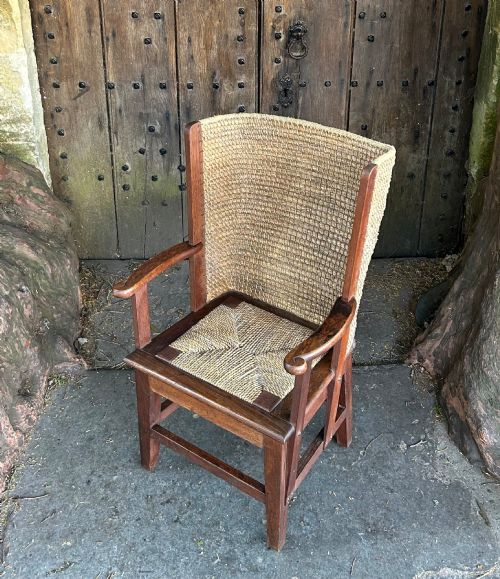
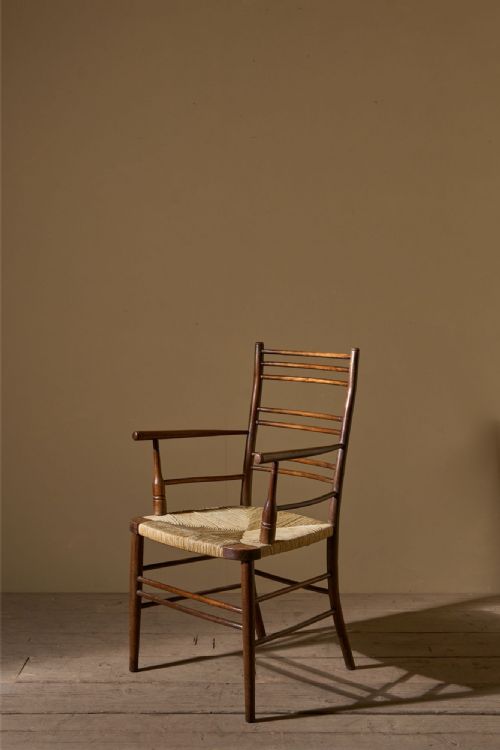
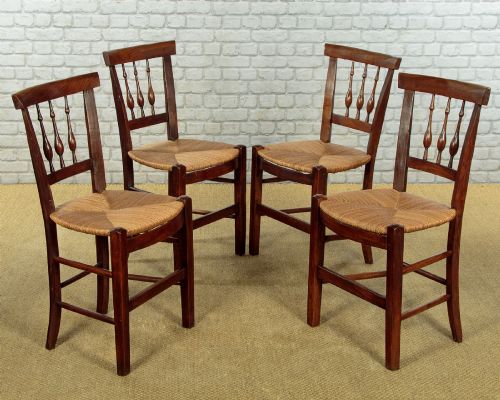
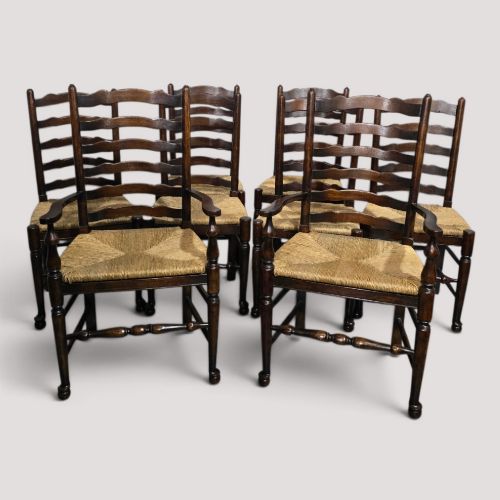
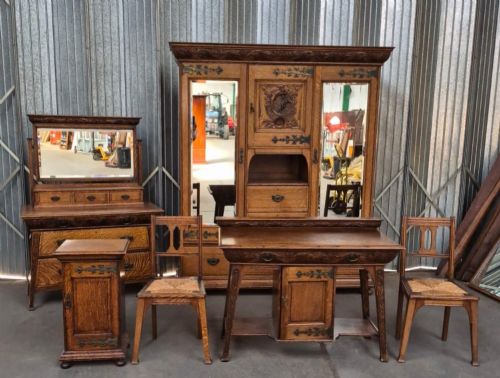
An oak rush seat chair brings together traditional timber frames and natural woven seating across several centuries of domestic use. Pieces span the eighteenth and nineteenth centuries, including Georgian examples, English Country designs, and Aesthetic Movement low bathroom chairs.
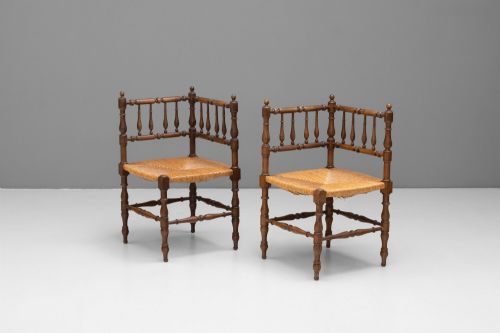
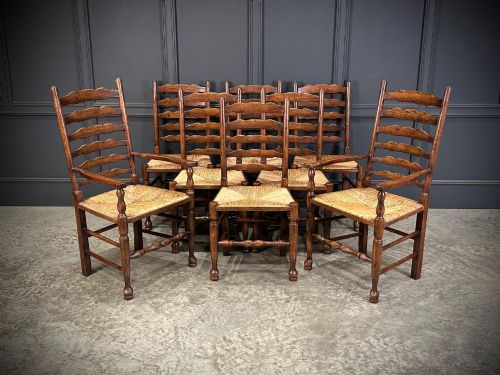
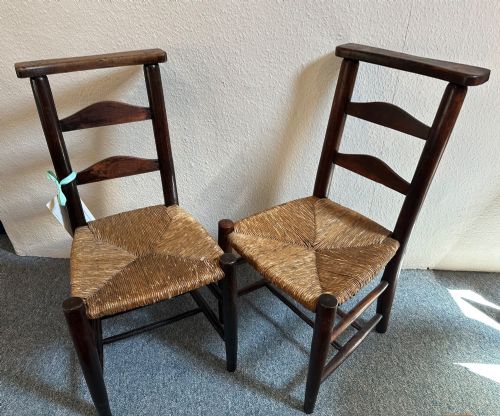
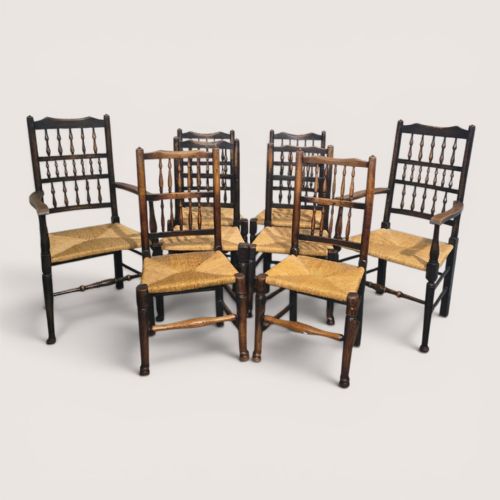
Formations range from corner chairs and side chairs to carvers and open armchairs. Makers produced them for kitchens, dining rooms, and studies, utilising local materials to supply robust seating for everyday living.
Materials and construction methods
Joiners built the structural frames using solid oak, shaping uprights, legs, and stretchers to support regular weight. Selected items incorporate elm alongside oak, demonstrating regional timber preferences.
Craftsmen wove marsh plants tightly around seat rails to form durable, supportive platforms. This twisted wetland grass creates a flexible surface that yields slightly to the sitter before returning to tension.
Archive records show oak rush seat chair designs spanning the eighteenth, nineteenth, and early twentieth centuries.
Distinctions in construction and wear
Superior examples display tighter joinery and more substantial timber scantlings that resist lateral movement over centuries of use. The density of the woven cordage dictates longevity, with evenly packed strands offering firmer support than loose or stretched work.
The refinement of the turned spindles and the preservation of original framing timbers distinguish standard utility furniture from more deliberate stylistic expressions like Aesthetic Movement or Arts and Crafts variants.
Titchmarsh and Goodwin·Neville Neal
The Oak Rush Seat Chair Glossary
- Rush
- Dried marsh grass twisted into cord and woven tightly across seat frames to create a flexible, durable surface. This material has been utilised for centuries in vernacular seating.
- Corner chair
- A square-seated chair designed to fit neatly into room angles, featuring a diagonal orientation with a rounded backrest supported by turned pillars.
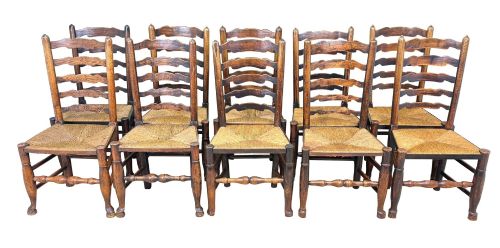
- Ladderback
- A chair back construction utilising horizontal wooden rails between vertical uprights. This design appears frequently in regional country seating.
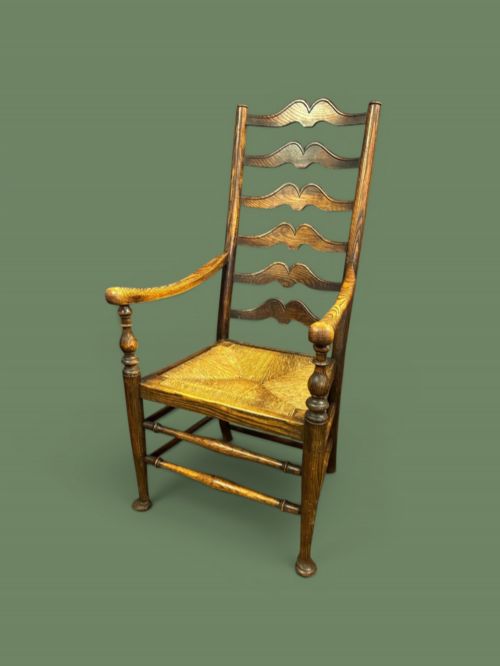
- Carver
- An armchair, traditionally placed at the head of a dining table or used as a principal seat in a room. These incorporate supportive side arms.
- Stretcher
- A horizontal wooden brace connecting the legs of a chair to provide structural rigidity. They often show wear where feet rested over generations.
Frequently Asked Questions
Can a damaged rush seat be repaired?
Worn or broken cordage can be completely removed and re-woven by a skilled basketmaker or chair seating specialist.
The original oak frame remains intact while new marsh cord is twisted and woven around the existing seat rails.
Are these chairs suitable for daily dining?
Solid timber frames and tightly packed woven foundations provide reliable support for regular seating use.
Using felt pads on chair legs helps protect wooden floors from the weight of eighteenth and nineteenth-century construction.
How do I identify an eighteenth-century example?
Early pieces display hand-turned components, pegged joints, and heavy timber framing characteristic of Georgian country workshops.
Tool marks and patinated oak surfaces accumulated over generations provide visual clues to their age and origin.