




Oak Pub Bar
These oak pub bar pieces bring genuine tavern character to your home, offering rustic charm and sturdy historical seating.
Oak Pub Bar
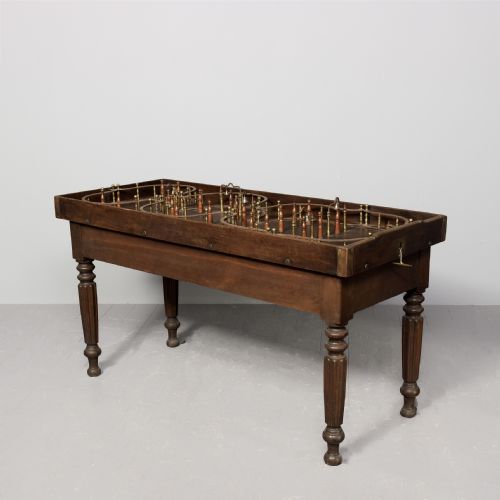
When you search for an oak pub bar, you are looking at utilitarian seating and fittings from public houses, ranging from tall tavern stools to games tables and bar counters.
The pieces on this page lean heavily towards nineteenth century and early twentieth century examples, with sturdy wooden frames built for heavy daily use.
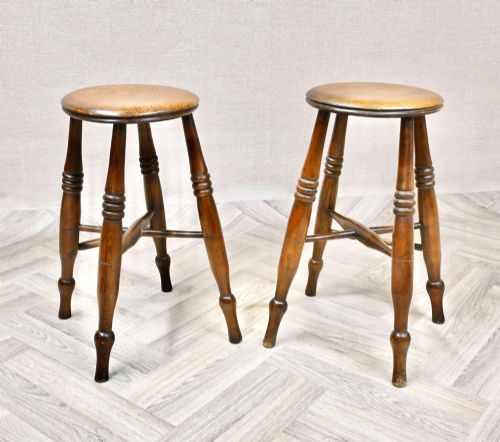
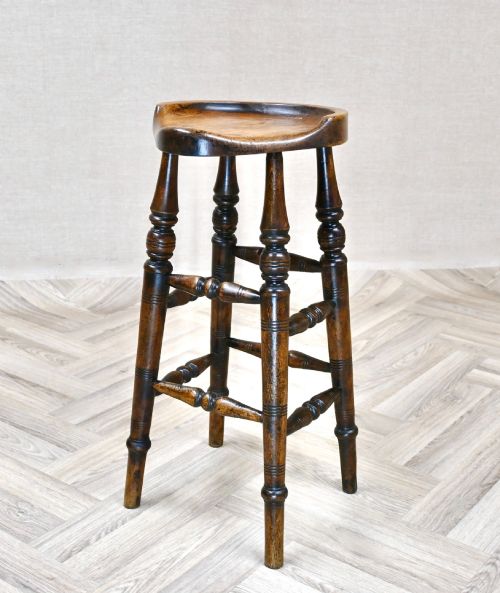
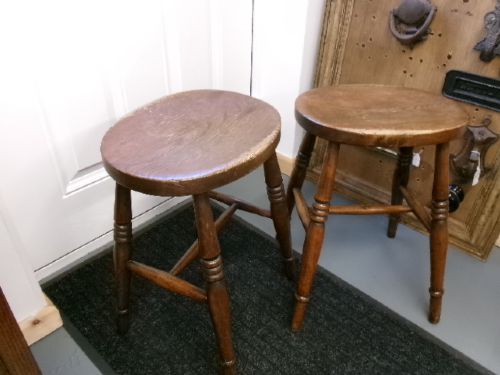
Stools form the bulk of what you will encounter, featuring oval dished tops or brass studded seats designed for centuries of service in British hostelries.
How they were made
Makers relied on durable timbers such as oak, elm, and sycamore, selecting hardwoods that could withstand the knocks and scrapes of a busy taproom.
Construction methods prioritised strength and longevity, utilising solid timber planks for seats alongside supportive brass hardware for studs and footrests.
Oak Pub Bar Retail Price Guide 2026
Typical asking prices for oak pub bar among the pieces listed under this phrase on Sellingantiques today, from the lower quarter to the upper quarter. They describe what is for sale here now, not the wider market.
Listings feature items built from oak, elm, pine, sycamore, and beech, spanning the nineteenth century and early twentieth century.
What varies in quality
Quality separates routine utility furniture from finer vernacular examples through the depth of the timber grain, the smoothness of the dished seat, and the integrity of the original joints.
Surface patination plays a major role, where centuries of handling create a rich, tactile glow across the oak and sycamore that modern reproductions fail to replicate.
The Oak Pub Bar Glossary
- Dished top
- A seat carved into a shallow concave depression to improve comfort for the sitter. This traditional shaping is commonly found on antique tavern stools.
- Vernacular
- Objects designed by local craftsmen using traditional regional methods rather than following formal academic styles. These items reflect the practical needs of local public houses.
- Patina
- The surface sheen and darkening developed through age, use, and polishing. A rich patina indicates genuine historical handling.
- Skittles game
- A traditional pub pastime involving a miniature alley or board with pins. George IV examples utilise solid oak for durability during play.
Oak Pub Bar: Frequently Asked Questions
What periods do these pieces date from?
The selection spans the nineteenth century through to the early decades of the twentieth century. You will find Victorian items alongside Edwardian and 1930s pieces.
Most are rooted in traditional English country and rustic farmhouse styles rather than formal court aesthetics.
How were tavern stools used?
These tall and low stools provided seating around counters, tables, and games areas in public houses. Their robust build allowed them to withstand constant movement in crowded rooms.
Many feature plain or brass studded wooden tops designed for easy cleaning and hardy daily use.
Are these items suitable for modern homes?
Yes, their compact footprints and sturdy timber construction make them practical for contemporary kitchens, dining rooms, and home bar setups.
They bring an authentic historical atmosphere without taking up excessive floor space.
What materials are most common?
Oak is the primary timber, often accompanied by elm, sycamore, and pine in structural components. Brass frequently appears as studding on seats or as supportive hardware.
Leather and beech also feature in specific seating and accessory items.