

Oak Library Stand
An oak library stand gathers volumes within reach, combining utility and craftsmanship for any study.
Oak Library Stand
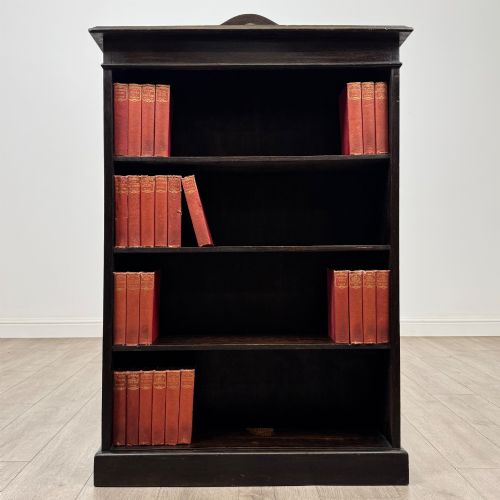
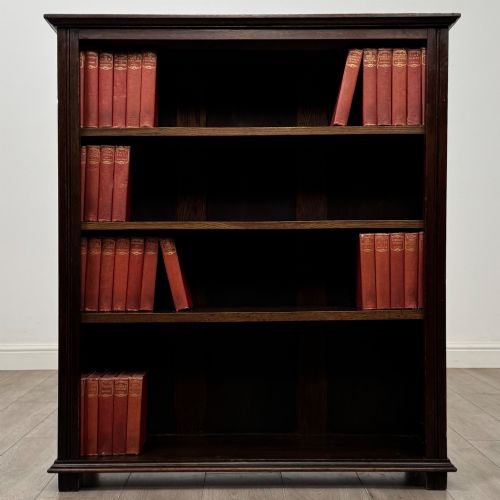
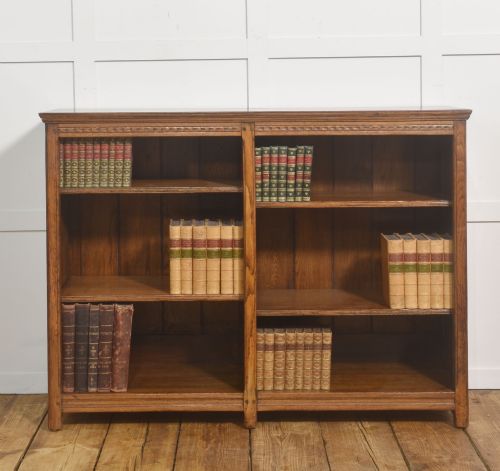
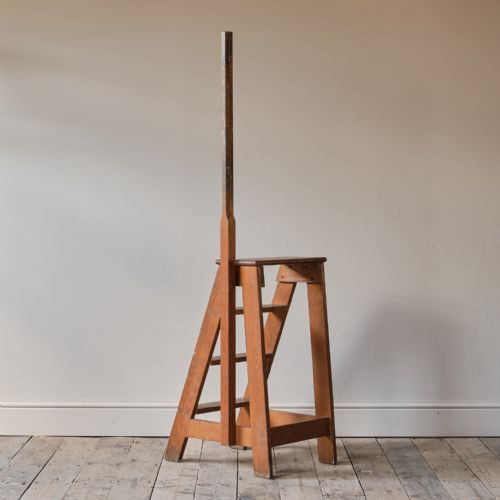
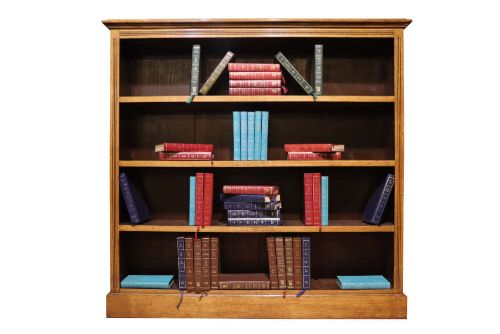
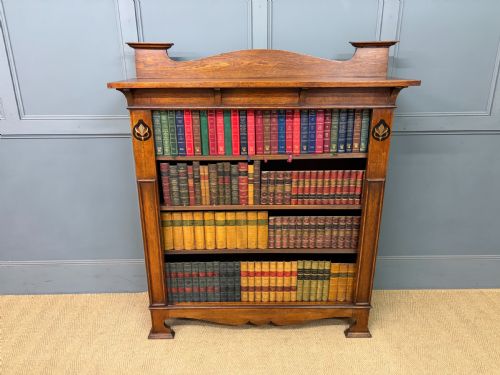
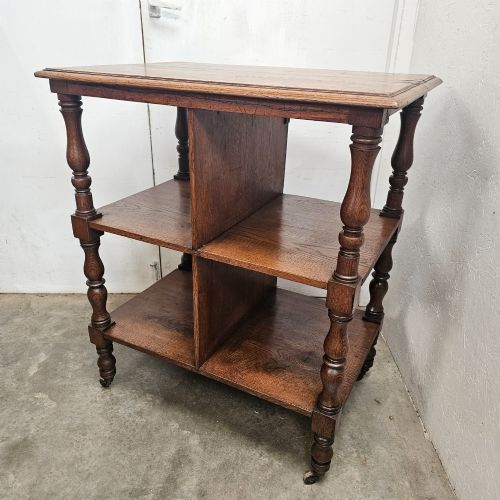
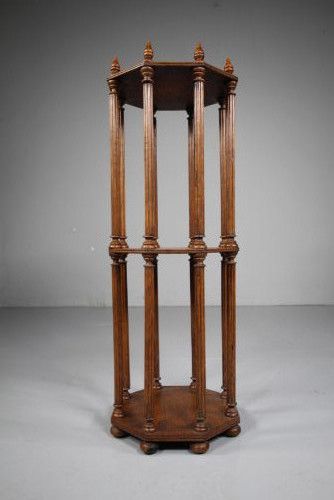
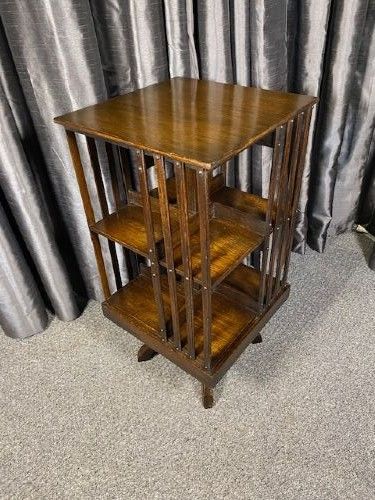
When buyers search for an oak library stand, they encounter various configurations designed to house and display books. These pieces span periods from the nineteenth century through the Edwardian era and into the 1930s. The selection includes open bookcases, revolving bookstands, library steps, and specialised cabinets.
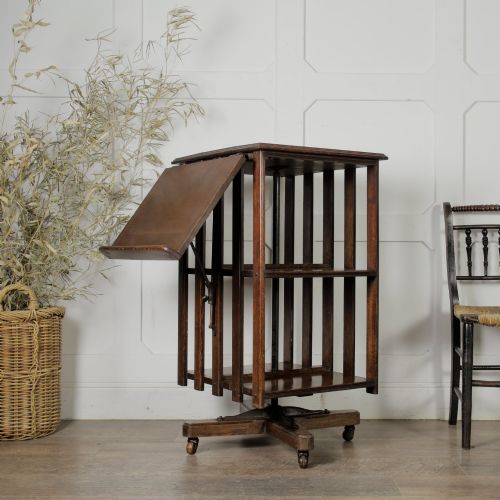
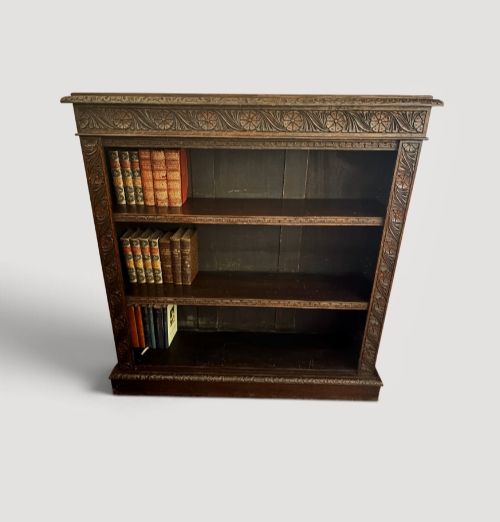
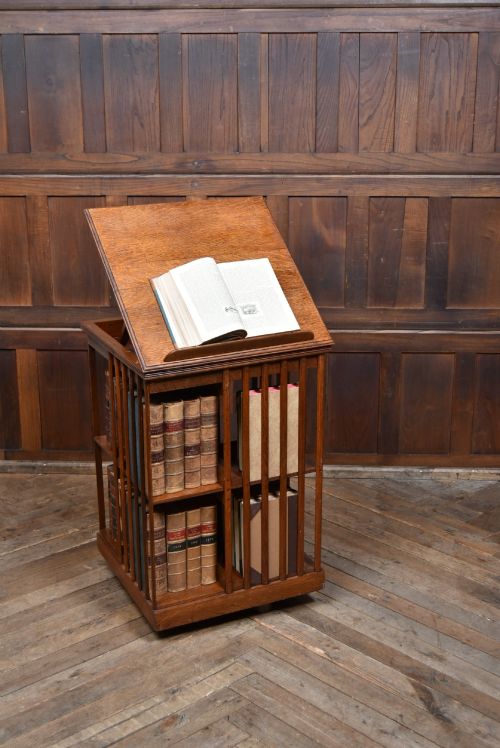
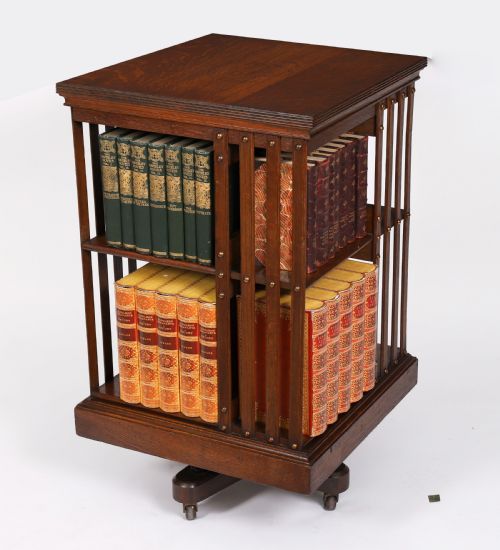
Revolving bookcases and open front bookcases appear most frequently in this range. Pieces often feature adjustable shelves or tiered revolving platforms constructed for daily use in studies and libraries. Styles range from plain Victorian and Edwardian iterations to Arts and Crafts designs and Gothic Revival pieces.
Materials and construction
Solid oak forms the primary structure of these library items, complemented by golden oak and occasionally figured timber. Secondary materials include brass fittings on book slides and cast iron mechanisms on library steps and revolving stands.
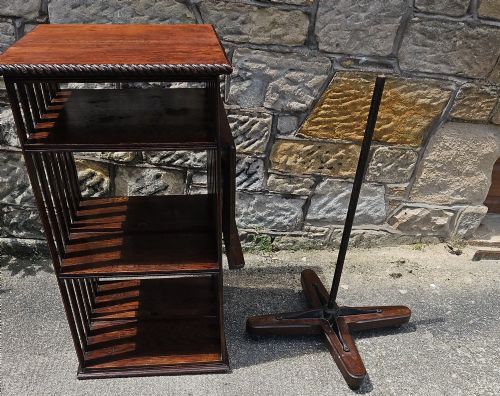
Joinery techniques involve traditional mortise and tenon joints alongside carved ornamentation and marquetry details. Revolving mechanisms utilise internal wooden or iron slats to ensure smooth rotation under heavy loads of books.
Listings feature oak alongside brass, cast iron, and mahogany, spanning Victorian, Edwardian, and Arts and Crafts styles.
Distinguishing quality
Quality rests in the weight of the timber and the rigidity of the revolving mechanism or shelving framework. Solid golden oak construction with well-fitted adjustable shelf racks separates standard items from finer workshop productions.
Subtleties of hand-carved detailing, balanced proportions in revolving tiers, and intact original brass or cast iron hardware distinguish superior examples from plain utility furniture.
Benjamin Taylor and Sons·Waring and Gillows
The Oak Library Stand Glossary
- Revolving bookcase
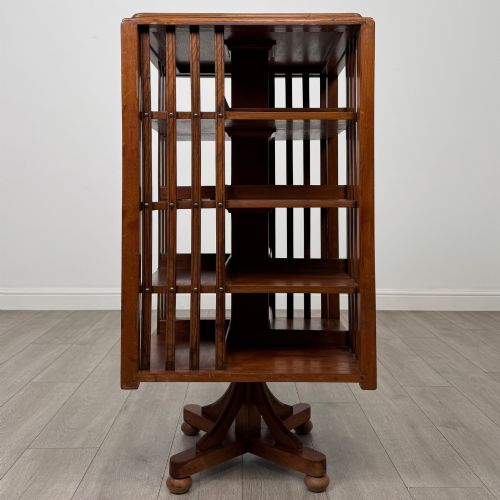
- A freestanding tiered bookcase designed to rotate on a central spindle for easy access to volumes. These units appear frequently in Edwardian and Victorian libraries.
- Library steps
- A set of portable stairs used to reach high bookshelves. They often incorporate folding mechanisms or storage steps.
- Book slide
- An extending rack designed to hold a small selection of books upright on a desk or table. They frequently incorporate brass mounts and novel ends.
- Gothic Revival
- A nineteenth-century architectural and decorative style influencing furniture design. It utilises pointed arches, tracery, and heavy carved oak.
Oak Library Stand: Frequently Asked Questions
How do I date an oak library stand?
Dating relies on stylistic clues, construction methods, and timber finishes. Victorian pieces often display heavier proportions and darker finishes, whereas Edwardian and later items lean toward lighter golden oak.
Hardware such as brass hinges or cast iron mechanisms also provides chronological markers. Comparing the joinery style against known period examples clarifies the age of the piece.
Are revolving bookcases stable?
Revolving bookcases are engineered with weighted cruciform bases to support heavy loads of books without tipping. The central spindle mechanism allows smooth rotation while maintaining structural balance.
Larger Edwardian versions distribute weight evenly across multiple tiers. Placing heavier folios on the bottom shelf ensures optimal stability.
What is the difference between an open bookcase and a cabinet?
Open bookcases feature unobstructed front access with fixed or adjustable shelves for daily reading materials. Cabinets incorporate doors, sometimes glazed or fitted with panels, to protect sensitive volumes.
Library stands encompass both open formats and specialised revolving or stepping units. The choice depends on whether accessibility or protection is the primary requirement.
How should I care for golden oak furniture?
Golden oak benefits from regular dusting with a dry, soft cloth to prevent particulate buildup. Avoiding direct sunlight and maintaining stable room humidity preserves the finish and prevents timber splitting.
Occasional application of traditional beeswax nourishes the grain without leaving heavy residues. Harsh chemical cleaners must be avoided entirely to protect the surface.