

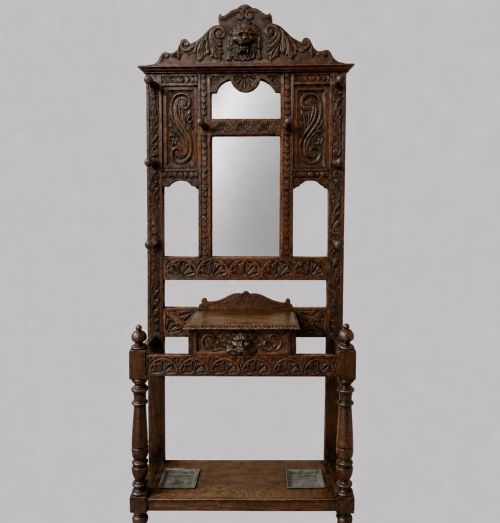


Oak Hat Tree Stand
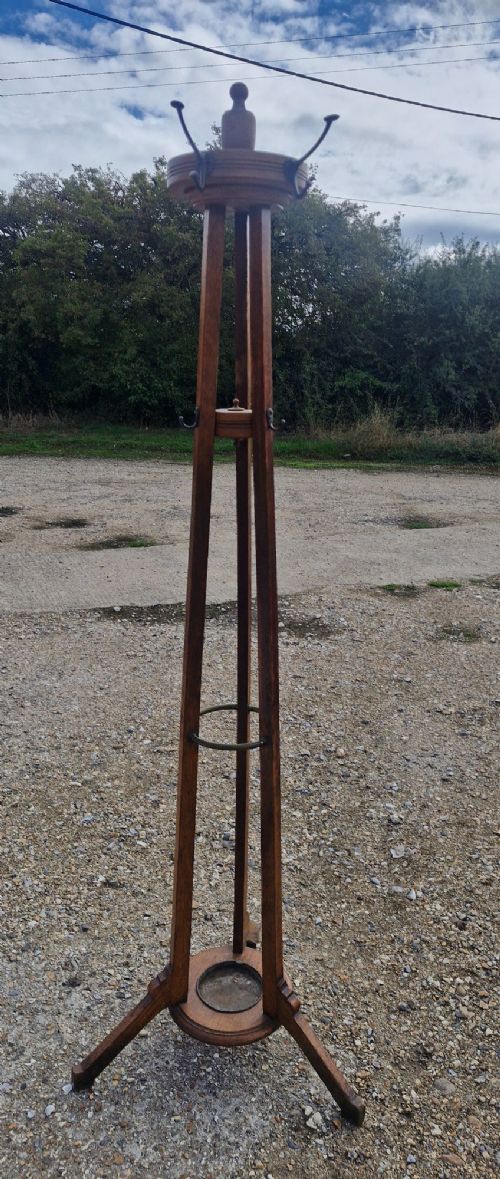
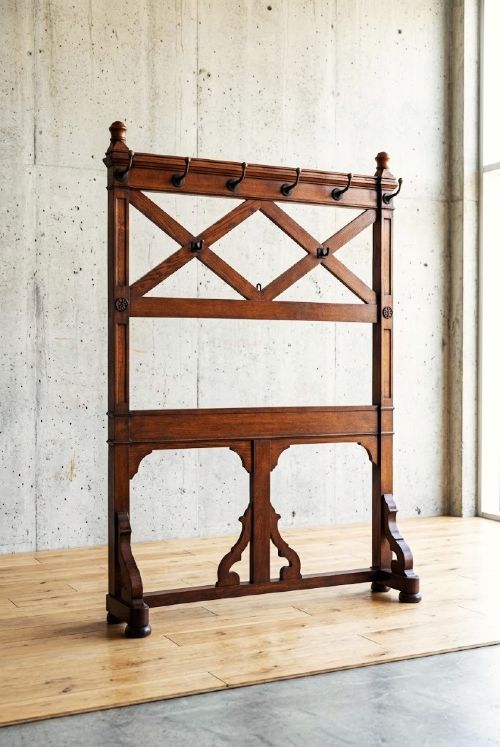
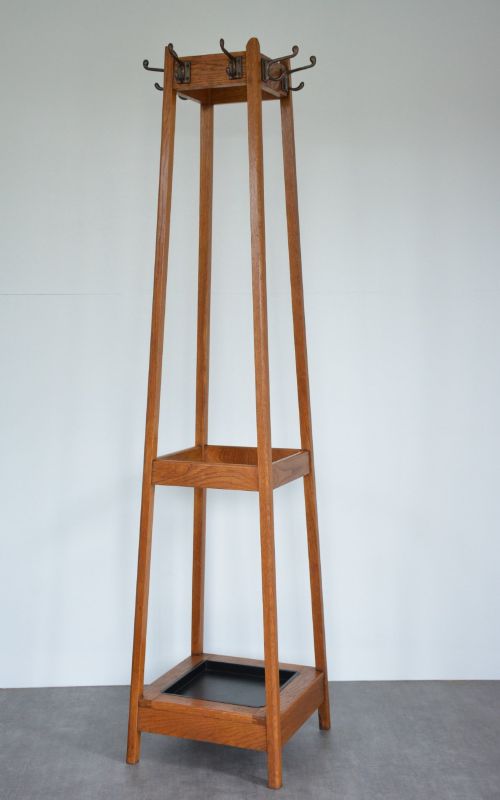
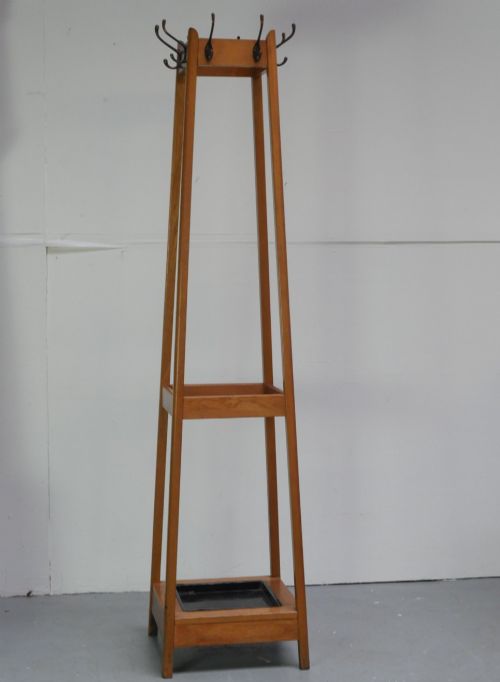
An oak hat tree stand anchors an entrance hall with functional timber architecture, designed to hold coats, hats, and sticks.
Oak Hat Tree Stand
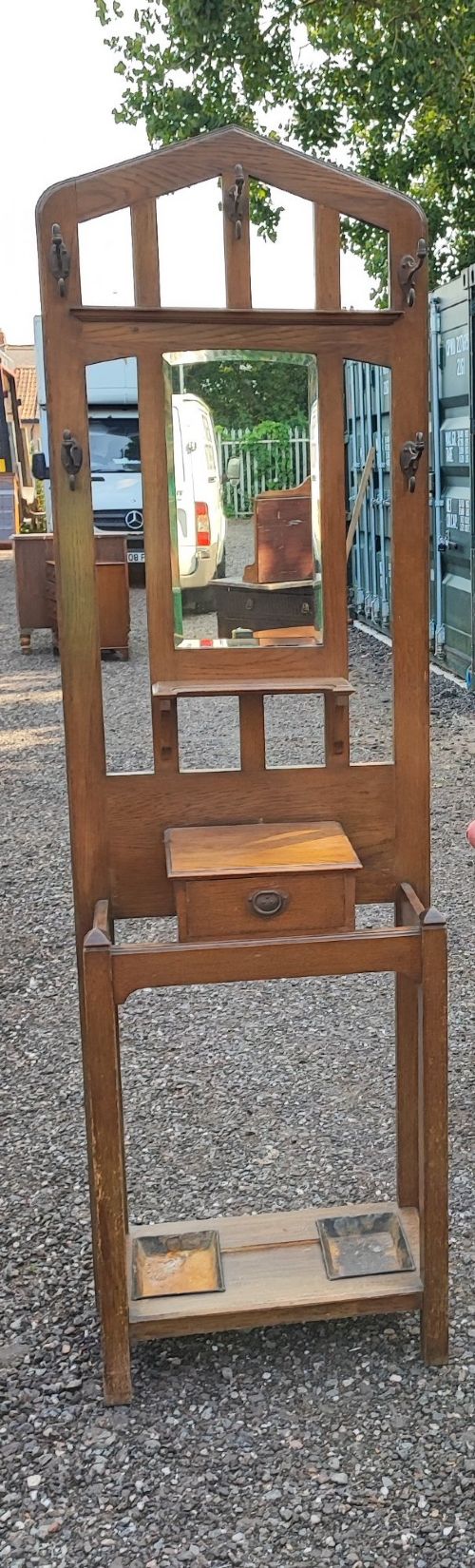
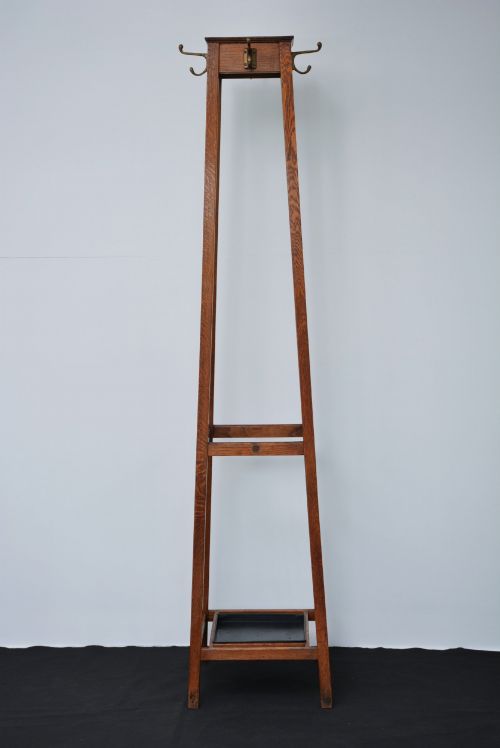
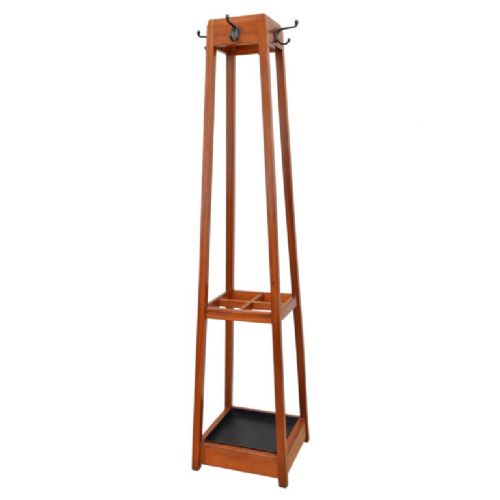
An oak hat tree stand serves as a substantial piece of hallway furniture designed to receive outdoor garments and walking gear upon entering a house. When searching for an oak hat tree stand, buyers encounter floor-standing vertical structures created primarily during the Victorian and Edwardian eras, alongside pieces from the nineteen-tens, nineteen-twenties, and nineteen-thirties.
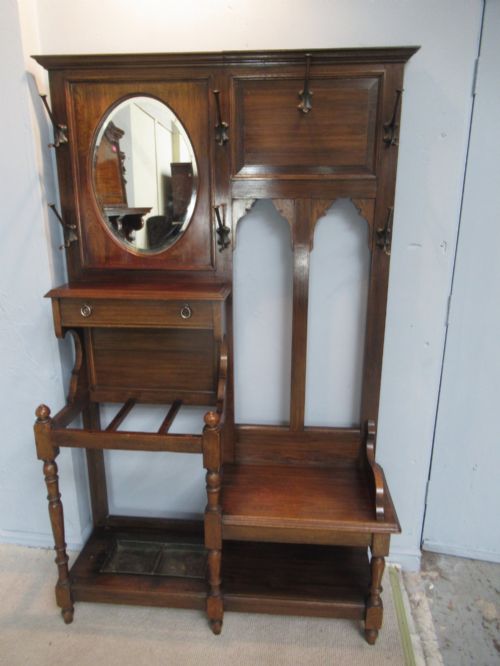
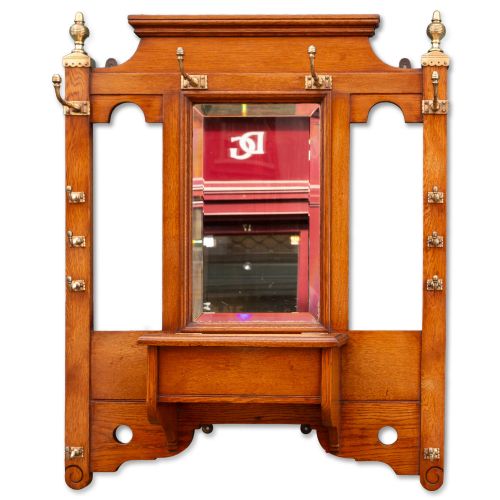
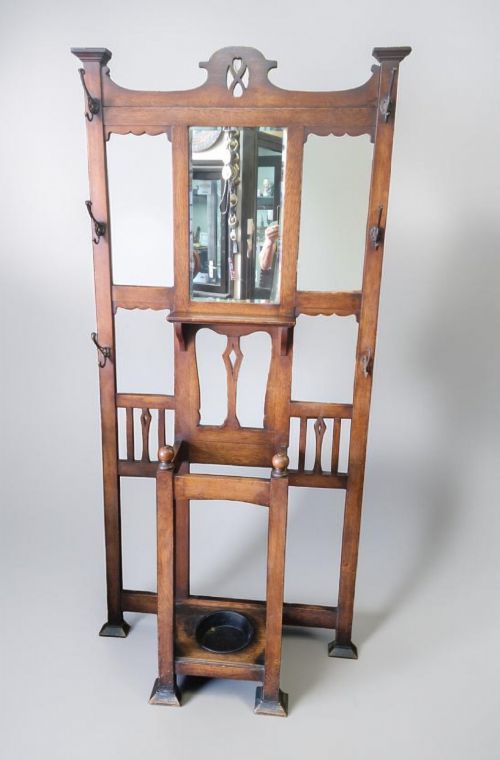
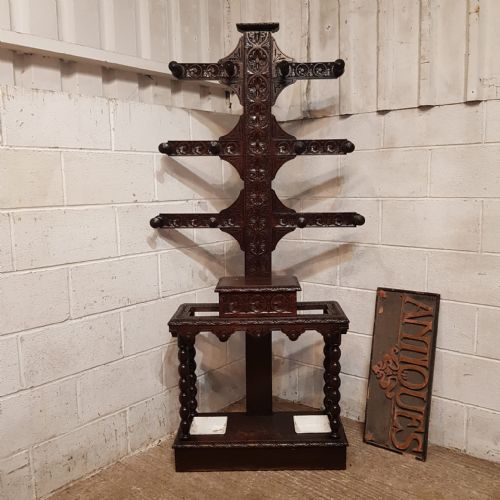
The surviving examples range from simple upright posts with branching pegs to large architectural hall stands incorporating mirrors, umbrella holders, and drip trays. Victorian and Edwardian interpretations dominate the selection, often rendered in solid golden or dark oak with heavy carving.
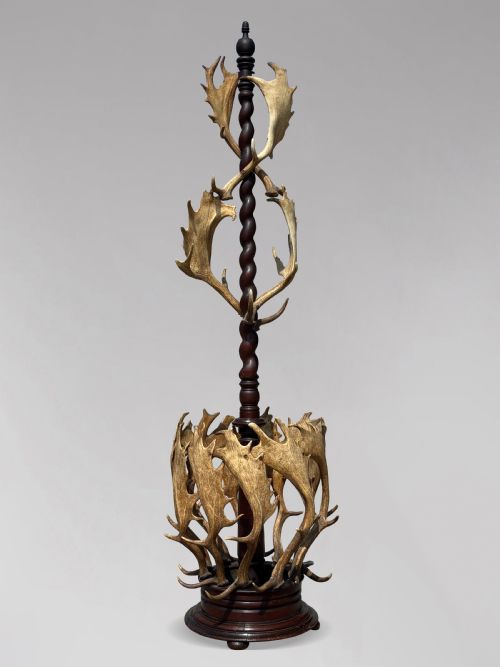
Makers produced these functional items in various regional interpretations, including Arts and Crafts designs, Gothic Revival forms inspired by Pugin, and whimsical Black Forest styles. The forms adapt to domestic hallways by combining vertical clothes hooks with lower compartments for sticks and wet umbrellas.
Materials and Construction
Cabinet makers relied heavily on solid oak, utilising both golden and dark fumed varieties to build the structural core of these tall stands. Construction techniques frequently involved deep relief carving, turned wooden shafts, and steam-bent components for curved elements.
Functional metal additions such as brass coat hooks, cast iron drip trays, and mirrored glass panels integrated directly into the timber frame. Artisans occasionally incorporated organic materials like cow horn, antler, and glass alongside the primary oak framework.
Materials appearing across the current selection include solid oak, cast iron, brass, glass, horn, and carved antler.
Assessing Craftsmanship
Quality rests upon the depth and precision of the carved ornamentation, particularly in pieces featuring Green Man motifs or elaborate Flemish scrollwork. Solid timber construction yields greater stability than veneered alternatives when supporting heavy winter garments.
The integration of original hardware, such as solid brass hooks and heavy cast iron umbrella wells, distinguishes superior examples. Scale and proportion also dictate standing quality, with larger architectural pieces demanding sophisticated joinery to remain structurally sound.
J. Parker of Woodstock·Fischel·Astrola·William Whiteley
The Oak Hat Tree Stand Glossary
- Hallstand
- A piece of hall furniture combining coat hooks, a hat shelf, an umbrella stand, and frequently a central mirror. This form anchors the entranceway of period homes.
- Green Man
- A sculptural architectural ornament depicting a human face disgorged from foliage or surrounded by leaves. It appears frequently in Victorian carved oak furniture.
- Drip tray
- A shallow metal or ceramic pan positioned at the base of a stand to catch water from wet umbrellas and walking sticks. These removable trays protect the timber floor from moisture damage.
- Bentwood
- Wood that has been rendered pliable by steam and shaped into curves under pressure. This technique produced slender, elastic hat and coat stands.
- Arts and Crafts
- A design movement valuing handcraftsmanship, simple forms, and honest construction over mass-produced ornamentation. Pieces from this tradition emphasise the natural grain of the oak.
Oak Hat Tree Stand: Frequently Asked Questions
How do I care for antique oak?
Maintain the timber by applying traditional beeswax periodically to nourish the dry grain and preserve the surface sheen. Avoid placing the stand near direct heat sources that might cause the solid wood to split.
Keep the metal elements, such as brass hooks and iron drip trays, dry to prevent oxidation. Clean mirrored glass gently with a soft cloth while avoiding harsh chemical sprays that could damage the surrounding wood frame.
Where were these stands placed?
These pieces stood immediately inside the front entrance of a home to receive outdoor wear the moment residents or visitors arrived. Hallways and vestibules provided the necessary vertical clearance and floor space.
Because they combined umbrella storage with hat and coat hooks, they functioned as central organising stations for daily outdoor apparel.
How do I identify a Victorian stand?
Victorian stands typically feature heavy proportions, dark or golden oak finishes, and deep relief carving such as foliage or Green Man masks. They frequently incorporate bevelled mirror plates and cast iron umbrella wells.
Earlier examples from the mid-nineteenth century often display Gothic Revival or architectural influences, whereas later Victorian pieces embrace more organic or eclectic decorative schemes.
Are these stands suitable for modern hallways?
Their vertical orientation makes them practical for utilising vertical space in narrow contemporary entrance halls without consuming excessive floor area. They provide immediate hanging storage for coats and hats.
The inclusion of built-in umbrella holders offers a functional solution for wet weather gear in everyday modern households.