
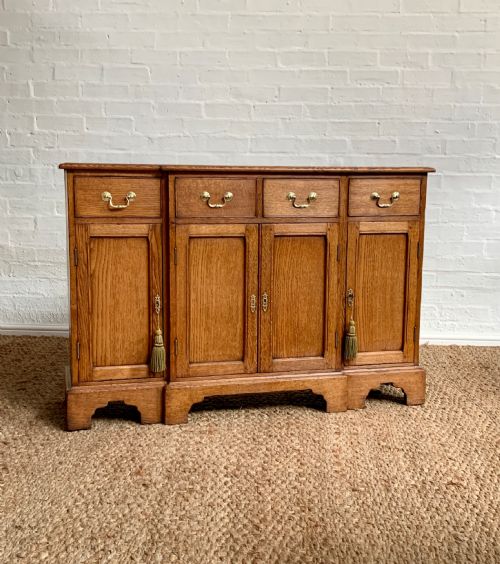
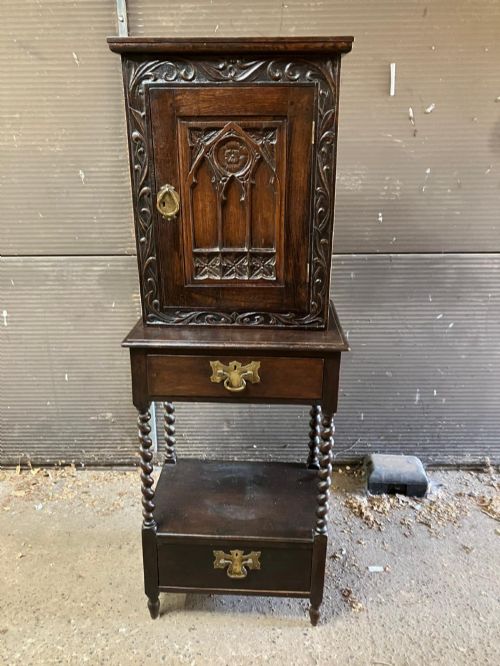
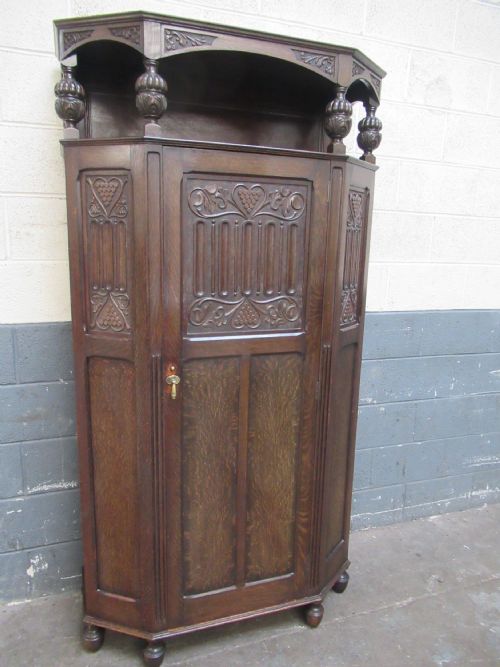


Oak Hallway Cabinet
An oak hallway cabinet provides robust storage for tight spaces, combining practical utility with rich historical character.
Oak Hallway Cabinet
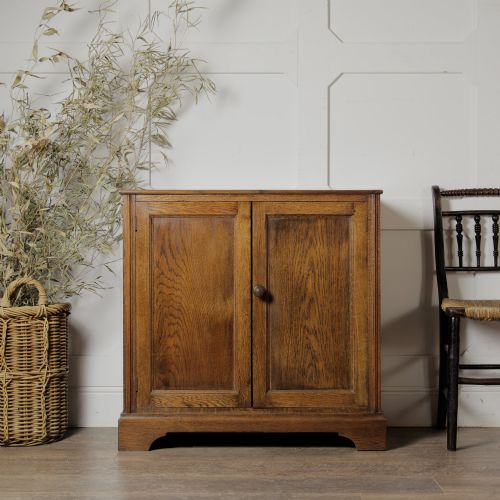
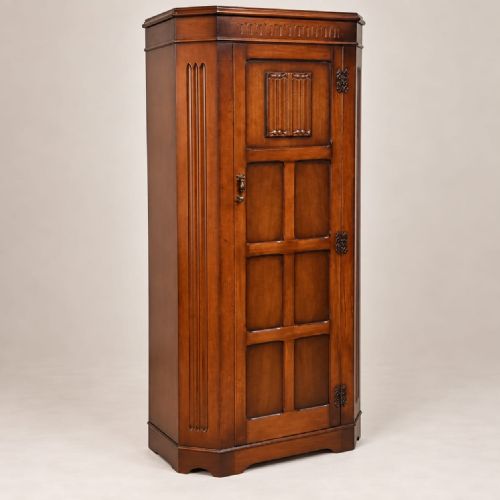
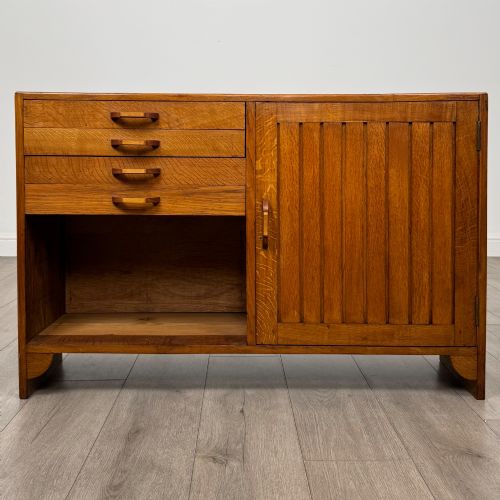
An oak hallway cabinet encompasses a diverse range of forms designed to organise entryways, from low cupboards and sideboards to tall wardrobes and wall-mounted key cabinets. These pieces emerge from periods spanning the seventeenth century through to the mid-twentieth century, showing distinct stylistic revivals and regional influences.
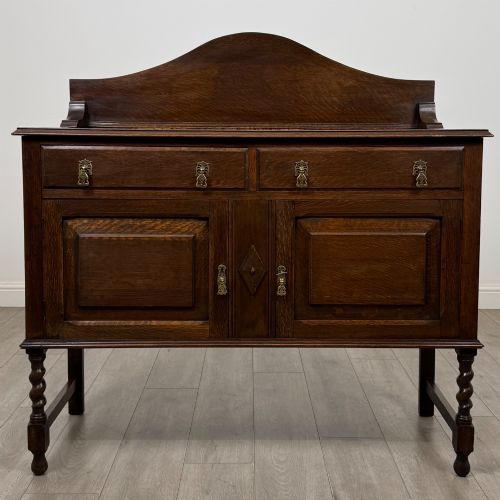
Buyers frequently encounter Edwardian low cupboards, early twentieth-century wardrobes in solid oak, and seventeenth-century style sideboard designs on this page. Formats range from standing floor units with barley twist details to wall-hanging letter boxes and shaving mirror cabinets fitted with brass or iron hardware.
Materials and construction methods
The primary material across these pieces is solid oak, complemented by brass and iron fittings such as hinges, handles, and letter boxes. Craftsmanship relies on traditional timber selection and sturdy joinery suited to daily use in high-traffic corridors.
Surface treatments vary from polished finishes to carved decorative panels and golden oak tones. Certain items incorporate glass elements, particularly in wall-hanging mirror cabinets and display-oriented storage.
Listings feature oak items spanning the 17th century, 18th century, 19th century, Edwardian era, and 1920, utilising brass, iron, and glass.
Judging the quality
Quality in an oak hallway cabinet rests on the integrity of the timber, the crispness of any carved detailing, and the originality of the metal hardware. Pieces exhibiting dense grain, substantial weight, and well-executed joinery represent the upper tier of manufacture.
Finer examples maintain proportion and balance, whether built as a compact wall-mounted shelf or a standing cupboard. The integration of period-appropriate brass or iron fixtures further distinguishes superior work from simpler utilitarian builds.
The Oak Hallway Cabinet Glossary
- Barley twist
- A turned wooden furniture leg or column resembling a spiral rope. This decorative carving frequently appears on Edwardian sideboards and supports.
- Dresser base
- A low cabinet featuring cupboards or drawers, originally used in kitchens or dining areas but adaptable to hallway storage. These pieces often display a broad top surface.
- French Provincial
- A rural style originating in eighteenth-century France, known for practical forms and regional interpretations of furniture design. Items from this tradition emphasise straightforward utility.
- Jacobean Revival
- A nineteenth and twentieth-century style imitating the heavy, carved oak furniture of the early seventeenth century. Such pieces often feature geometric panels and dark polished finishes.
- Sacristy cabinet
- A low buffet or cupboard traditionally used to store vestments and church vessels, adapted for domestic storage. These sturdy wooden pieces provide deep interior capacity.
Oak Hallway Cabinet: Frequently Asked Questions
What is an oak hallway cabinet used for?
These cabinets serve to store everyday items such as hats, gloves, letters, and keys in an entryway. They keep hallways tidy while offering a solid wooden surface for display.
Different formats accommodate specific spatial needs, ranging from slim wall-mounted key boxes to large standing wardrobes and sideboards designed for deep storage.
How do I date an oak hallway cabinet?
Dating relies on observing construction techniques, hardware, and stylistic markers such as carved motifs or turned legs. Pieces range from seventeenth-century styles to Edwardian and early twentieth-century productions.
Examining the type of oak, the patination of the timber, and the metal components like brass hinges helps place the object within its specific era.
Are these cabinets suitable for small entryways?
Many options are specifically designed for compact spaces, including wall-hanging cabinets, letter boxes, and low cupboards that do not block narrow corridors. These smaller formats maximise vertical space without overcrowding the floor.
Measuring the hallway depth and clearance for opening doors ensures the chosen cabinet fits comfortably against the wall.
What styles of oak hallway cabinets exist?
Styles vary widely across the inventory, encompassing Edwardian designs, Gothic Revival, French Provincial, and Jacobean Revival pieces. Each style brings distinct decorative elements, from spiral turnings to geometric carvings.
Selecting a style depends on whether the interior leans towards twentieth-century modernism, traditional rustic charm, or period-specific historical revival.