


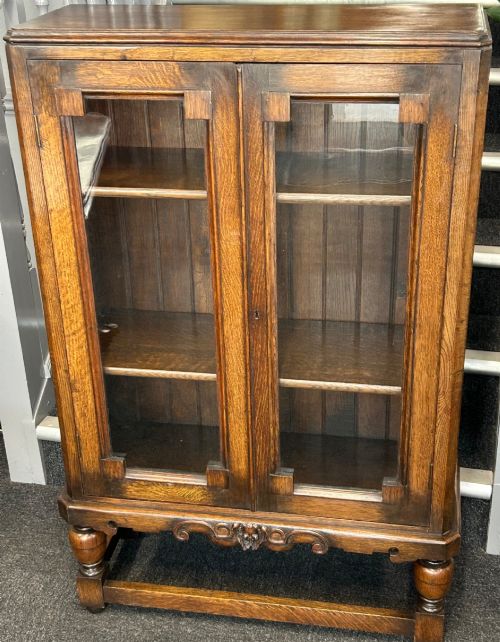


Oak Glass Display Stand
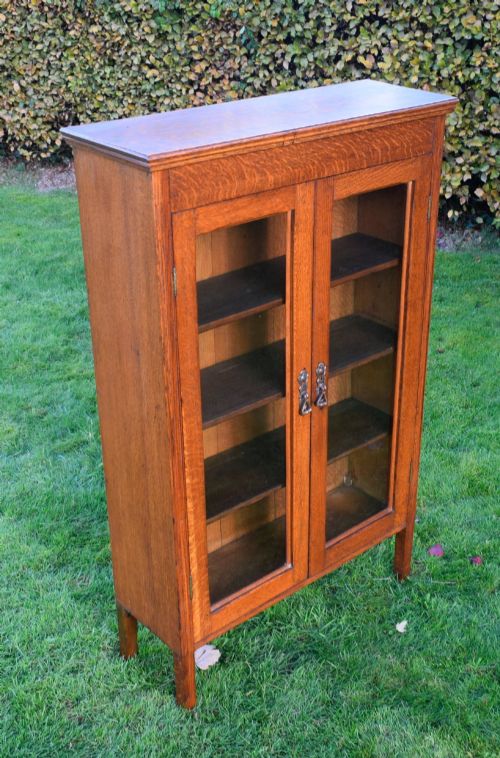
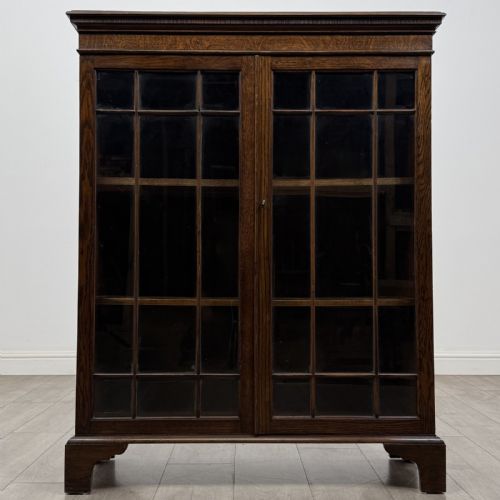
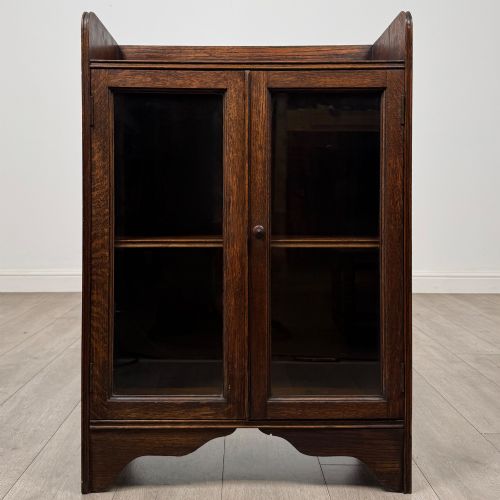
An oak glass display stand brings warmth and visibility to cherished collections, ranging from Edwardian glazed cabinets to substantial revival pieces.
Oak Glass Display Stand
When searching for an oak glass display stand, buyers encounter a variety of storage furniture designed to showcase china, books, and curiosities. The selection spans distinct periods including the 19th Century, Edwardian era, and the 1920s.
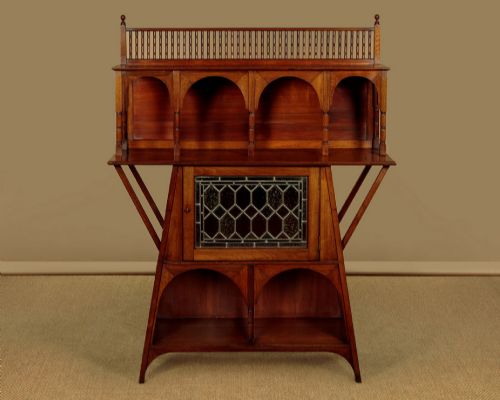
Forms on this page include tall display cabinets, glazed bookcases, side cabinets, and standing bookcases. Many feature glass doors or panels alongside solid timber structures.
The most common examples on this page date from the Edwardian period and the early twentieth century, reflecting revivalist tastes and practical home exhibition needs.
What varies in quality
Quality differences rest in the depth of timber carving, the choice of golden or darker oak grain, and the fineness of the joinery. Pieces with integrated galleries or specific period styling show greater artisanal attention.
The integrity of the glass panes and the execution of carved panels separate standard utility cupboards from more decorative cabinet work intended for formal parlours.
Oak Glass Display Stand Retail Price Guide 2026
Typical asking prices for oak glass display stand among the pieces listed under this phrase on Sellingantiques today, from the lower quarter to the upper quarter. They describe what is for sale here now, not the wider market.
Revival styles represented include Jacobean, Gothic, and Georgian, alongside Arts and Crafts pieces.
Liberty and Co
The Oak Glass Display Stand Glossary
- Glazed cabinet
- A piece of furniture featuring glass panels in the doors or sides to display contents while protecting them from dust.
- Jacobean Revival
- A nineteenth and early twentieth century style copying seventeenth century English furniture with heavy carving and geometric mouldings.
- Gallery
- A raised decorative border around the top surface of a cabinet or bookcase, often featuring pierced woodwork.
- Tantalus
- A locking beverage stand holding decanters securely behind a metal bar, popular in Edwardian homes.
Oak Glass Display Stand: Frequently Asked Questions
What is an oak glass display stand used for?
These cabinets serve to exhibit fine china, glassware, books, and decorative objects while keeping them safe from dust and handling.
They function well in living rooms, dining spaces, and studies as both storage and focal points for collections.
How do I identify an Edwardian display cabinet?
Edwardian examples often feature lighter golden oak tones, slender proportions, and restrained Arts and Crafts or Georgian revival influences.
Look for glazed doors with simple wooden framing and occasionally a raised gallery on the top surface.
Are these stands suitable for small rooms?
Many Edwardian and early twentieth century variants are built with compact footprints, making them practical for modest interior spaces.
Tall, narrow standing bookcases and small cupboards provide vertical storage without dominating a room.
What styles are common among these cabinets?
The listings show strong influences from the Edwardian period, Arts and Crafts movement, Jacobean Revival, and Gothic Revival.
These styles manifest through carved panels, leaded glass details, and robust architectural cornices.