
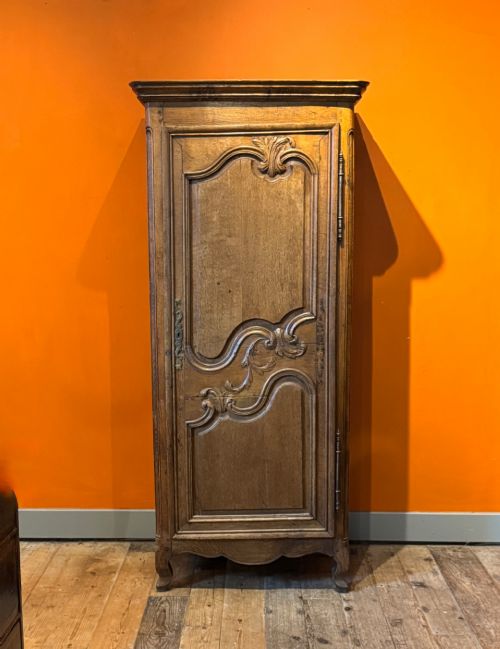
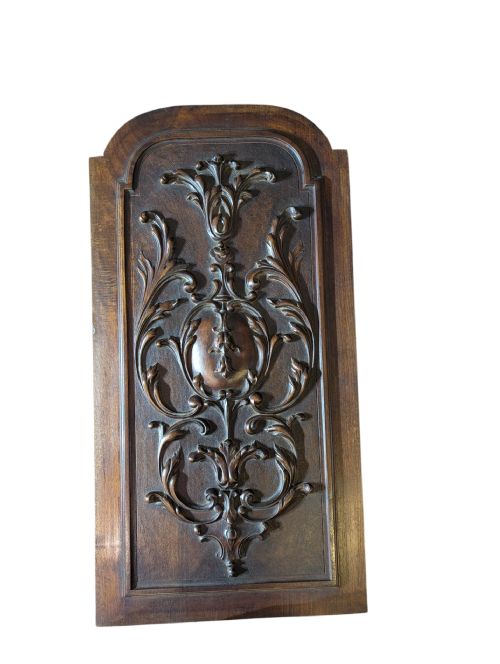


Oak French Doors
Oak french doors bring architectural weight and regional character to an interior, offering sturdy timber panels and traditional joinery built to last.
Oak French Doors
When you search for oak french doors, you encounter pairs of solid timber doors alongside wider architectural salvage entries that showcase heavy panels and historical joinery.
The selections span centuries from provincial 18th-century work to later 19th-century adaptations, reflecting regional French carpentry traditions.
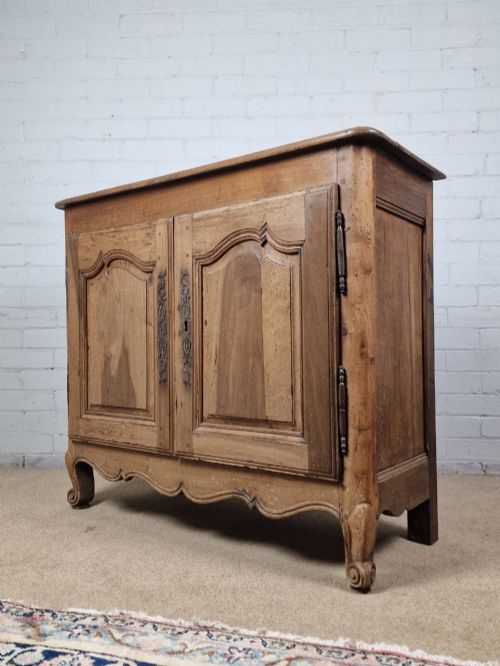
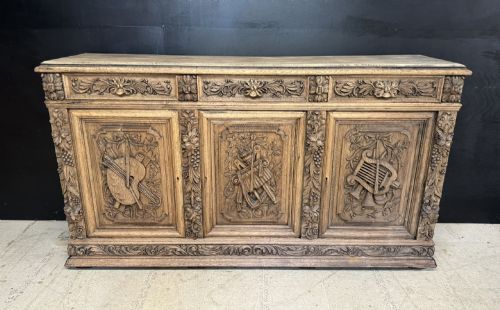
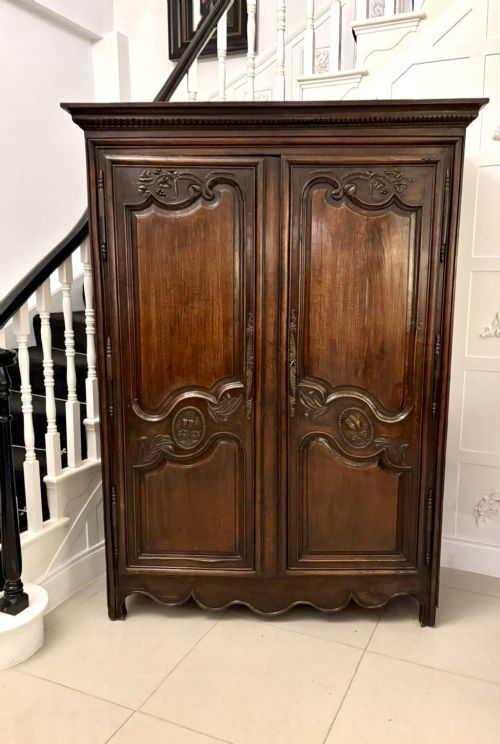
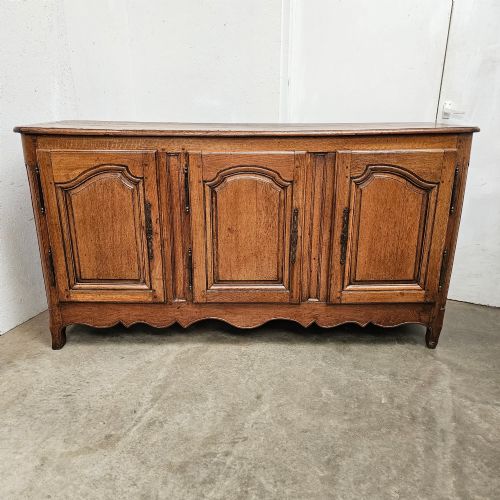
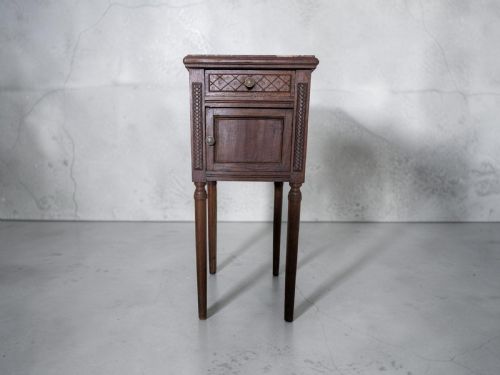
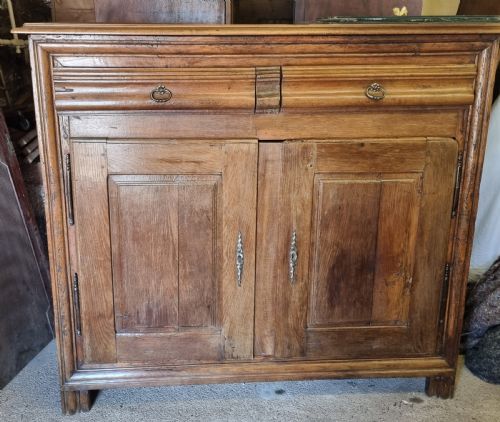
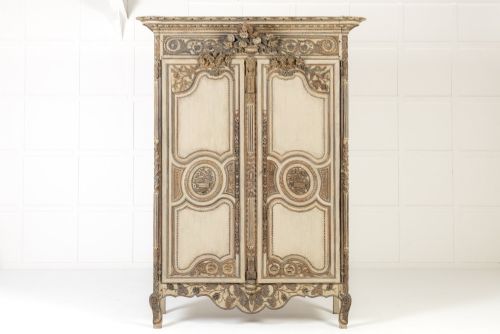
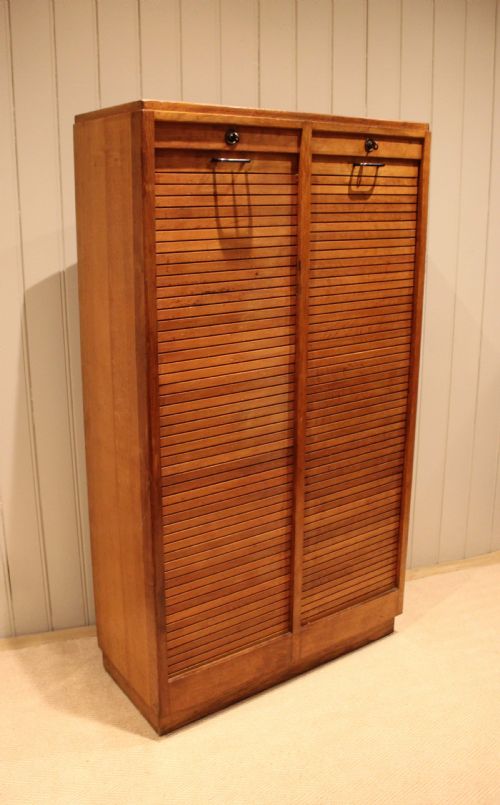
While complete pairs of doors appear directly, the record also includes related architectural pieces like armoires, cupboards, and bookcases featuring prominent panelled doors.
Materials and Construction
Construction relies heavily on solid oak timber, frequently paired with secondary woods like fruit wood or walnut, joined using traditional frame-and-panel techniques to handle seasonal wood movement.
Metalwork plays a functional role in assembly and operation, incorporating brass door knockers, iron hinges, and steel structural fixings where required.
Listings span periods from the 17th century through the 1930s, utilising oak alongside brass, iron, and glass in various regional French styles.
Assessment of Quality
Quality rests upon the depth and precision of the carved detailing on the timber panels, distinguishing straightforward utilitarian joinery from ornate regional craft.
The integrity of the original hardware, such as brass knockers and iron hinges, alongside the preservation of the raw or bleached timber surface, dictates the overall architectural standing of the piece.
The Oak French Doors Glossary
- Architectural salvage
- Building elements rescued from older structures for reuse. These items preserve historical craftsmanship and materials.
- Frame and panel
- A method of construction where a central floating panel sits within a surrounding wooden frame. This technique accommodates natural wood expansion and contraction.
- Provincial
- Originating from the regions rather than capital cities. Such pieces demonstrate local vernacular styles and materials.
- Bleached oak
- Timber treated to lighten its natural tone. This finish appears frequently across 20th-century French items.
Oak French Doors: Frequently Asked Questions
How do I date antique oak doors?
Dating relies on examining the tool marks, the style of the panel mouldings, and the composition of the iron or brass hardware. Earlier examples exhibit hand-hewn surfaces and pegged joinery.
Later Victorian and 20th-century iterations often display machine assistance and standardised fixings while retaining traditional regional forms.
Are these doors suitable for exterior use?
Most antique doors originate as interior architectural dividers, armoire fronts, or cupboard closures rather than external weather-proof entries. Adapting them for external use requires careful consideration of weather-stripping and timber treatment.
Consulting a specialist joiner ensures the heavy oak construction can withstand exposure to the elements without warping.
What maintenance do old oak panels need?
Solid oak benefits from occasional applications of breathable wax to nourish the grain and protect against excessive dryness in heated rooms. Avoid modern synthetic varnishes that trap moisture within the historic timber.
Keep panels away from direct heat sources to prevent the wood from splitting along the historical grain.
How can I tell French styles apart?
Regional pieces from areas like Brittany or provincial workshops feature robust carvings and practical construction reflecting local rural aesthetics. Louis XV and Rococo variants display more flowing, asymmetrical curves and shell motifs.
Comparing the simplicity of utility styles against grander revival periods clarifies the specific design lineage.