
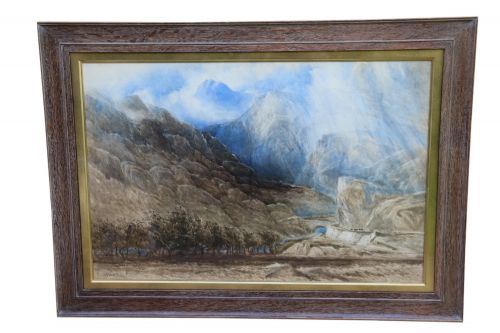


Oak Framed Watercolour Painting
An oak framed watercolour painting brings together the fluidity of pigments on paper and the warmth of timber, offering a classic window into past landscapes and portraits.
Oak Framed Watercolour Painting
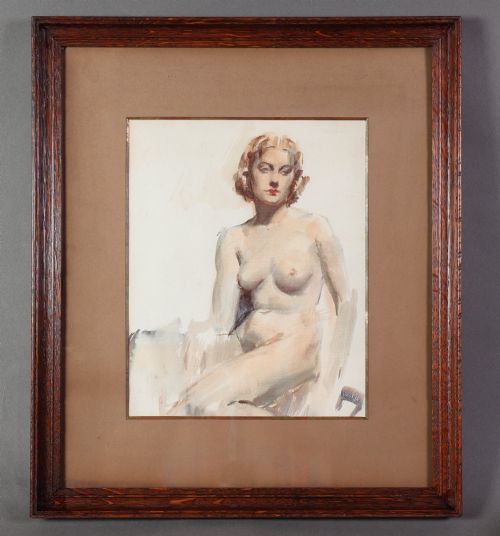
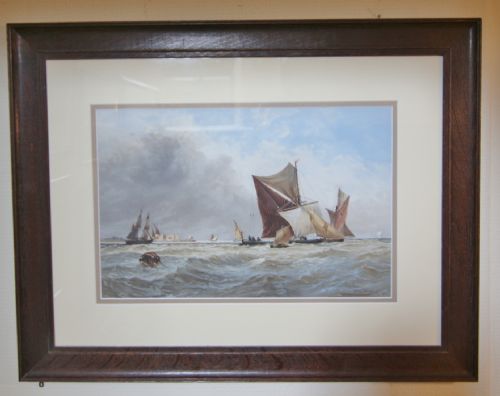
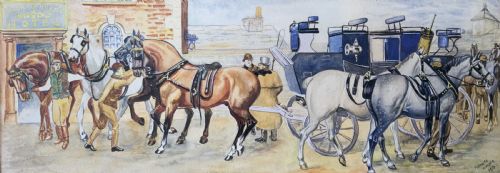
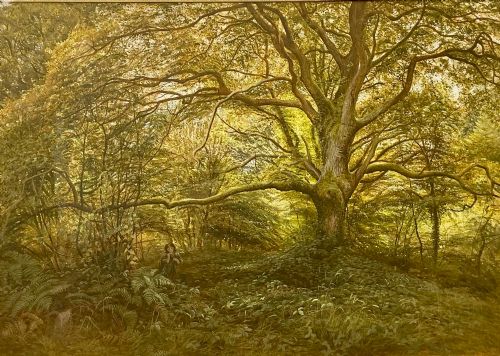
An oak framed watercolour painting comprises original works on paper enclosed behind glass within wooden surrounds, capturing subjects from maritime scenes to rural landscapes. Buyers searching for an oak framed watercolour painting encounter pieces originating from the nineteenth century through the mid-twentieth century, encompassing Victorian maritime works, Edwardian countryside views, and modern British compositions.
The selection ranges from detailed architectural and topographical studies to intimate portraits and animal subjects. Many examples display the hand of named artists, whilst others represent anonymous British school traditions from the Victorian and Edwardian eras.
Materials and construction
Artists utilised watercolour and occasionally gouache applied directly onto paper supports, often protected beneath glass within sturdy oak frames. These wooden surrounds provide structural containment while complementing the earthy tones typical of traditional British watercolours.
Mounts and backing boards, sometimes incorporating deep giltwood elements or ebonised surrounds, complete the framing assembly. This combination safeguards the delicate paper pigments from environmental exposure.
Listings feature works spanning the nineteenth century through the 1950s, utilising paper, oak, glass, and watercolour.
Distinctions in quality
Quality rests upon the dexterity of the brushwork and the clarity of the composition, distinguishing accomplished artistic execution from simpler naive efforts. Masterful handling of light and pigment brings depth to landscapes and portraits alike.
The craftsmanship of the housing also dictates standing, with well-preserved period oak frames and integrated mounts enhancing the overall integrity of the artwork.
TB Hardy·Henry Martin Pope·Charles Gregory·Henry Charles Fox·Harry Wanless·Charles F Tunnicliffe·John Atkinson·Margaret Laing·Charles Johnson Payne Snaffles·Henry Birtles
The Oak Framed Watercolour Painting Glossary
- Watercolour
- A painting method in which the paints are made of pigments suspended in a water-based solution. This technique allows for translucent washes and delicate tonal gradations upon paper.
- Gouache
- An opaque water-based paint that produces a heavier, more solid finish than traditional watercolour. Artists frequently combined gouache with watercolour to add highlights and density.
- Ebonised
- Wood treated to imitate the dark, dense appearance of ebony. This finish frequently appears on frames surrounding nineteenth-century works.
- Giltwood
- Wood carved and covered with a thin layer of gold leaf or metallic gilding. It often forms inner sight-edges or mounts within picture frames.
Oak Framed Watercolour Painting: Frequently Asked Questions
How do I care for my oak framed watercolour painting?
Keep the artwork away from direct sunlight to prevent the watercolour pigments from fading over time. Maintaining a stable indoor environment protects both the paper support and the wooden frame from excessive moisture.
Dust the oak frame gently with a dry cloth and avoid using liquid cleaners directly on the wood or glass. Professional framing checks help ensure the seal remains secure against dust and insects.
Are these paintings original works?
The selection consists of original hand-painted watercolours and gouache pieces rather than modern mass-produced prints. Each sheet bears the unique brushstrokes and texture of the artist's hand.
Many examples feature contemporary signatures, inscriptions, or period annotations that document the creation date and subject matter.
What periods do these watercolours represent?
The collection spans the nineteenth and twentieth centuries, encompassing Victorian, Edwardian, and mid-century British movements. Pieces range from early Victorian maritime scenes to later modernist bird and landscape studies.
Stylistic shifts reflect the changing artistic priorities across these decades, moving from detailed topographical precision toward looser, more expressive interpretations.
How are the works authenticated?
Attribution often relies on contemporary signatures, artist studio records, or historical annotations found on the reverse of the frames or paper supports. Biographical details linked to known painters help verify the period and origin of specific works.
Unsigned pieces are typically categorized by stylistic analysis and school of origin, reflecting the working methods of British artists during their respective eras.