


Oak Drawer Front
An oak drawer front provides the tactile face of centuries of cabinetry, prized for deep grain and robust joinery.
Oak Drawer Front
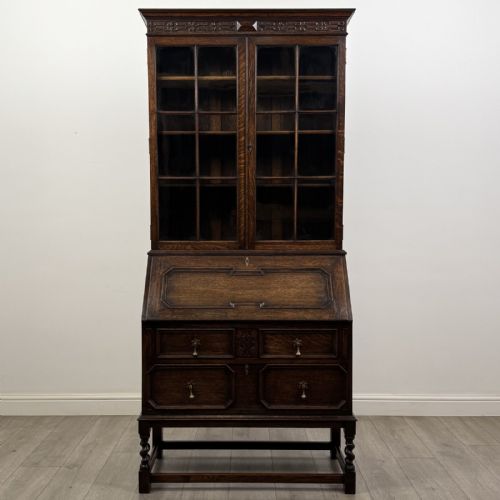
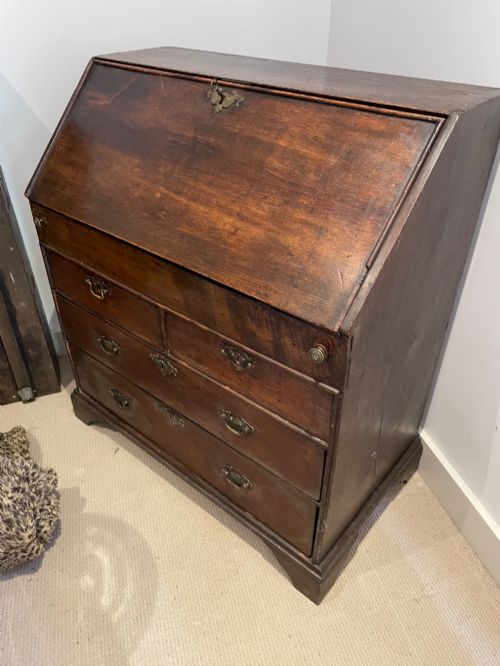
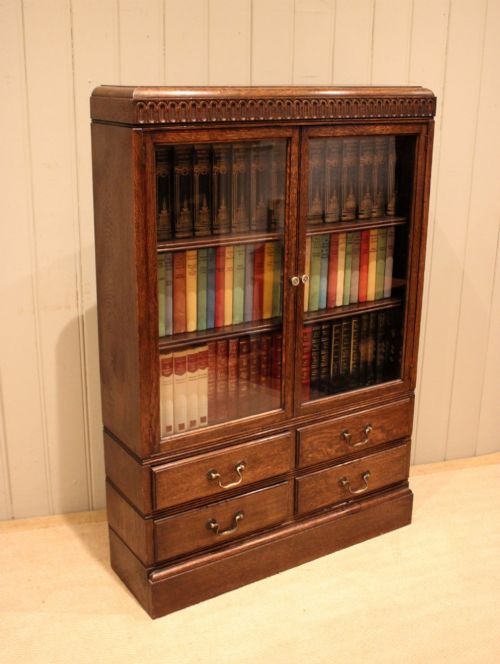
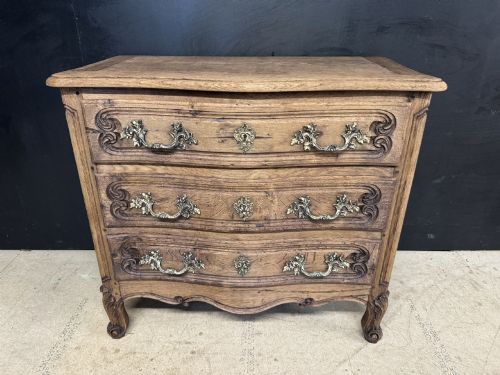
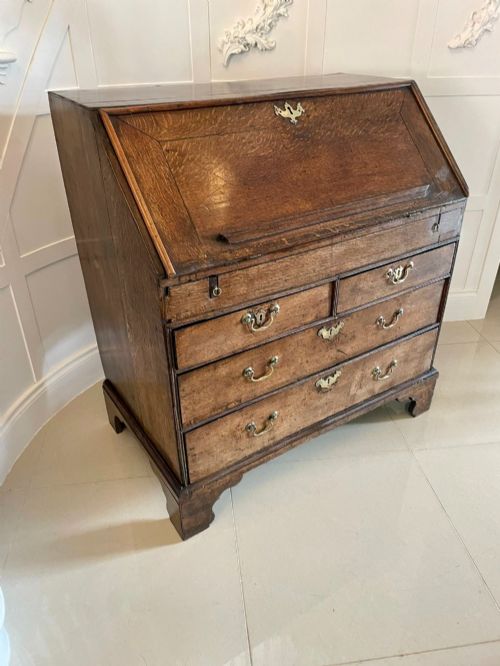
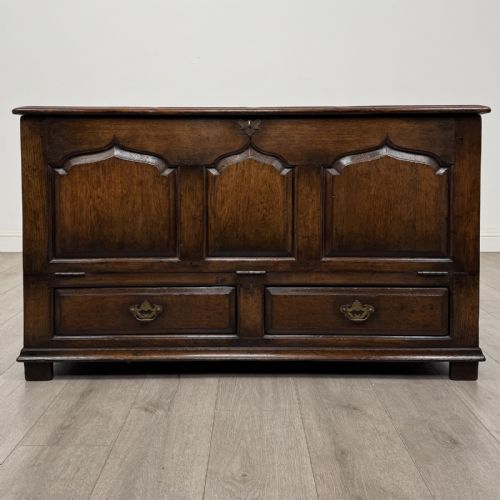
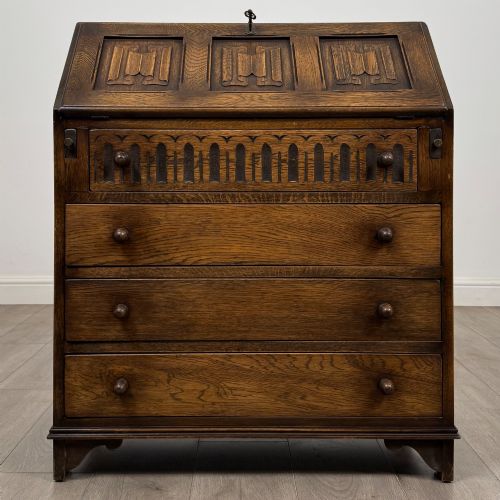
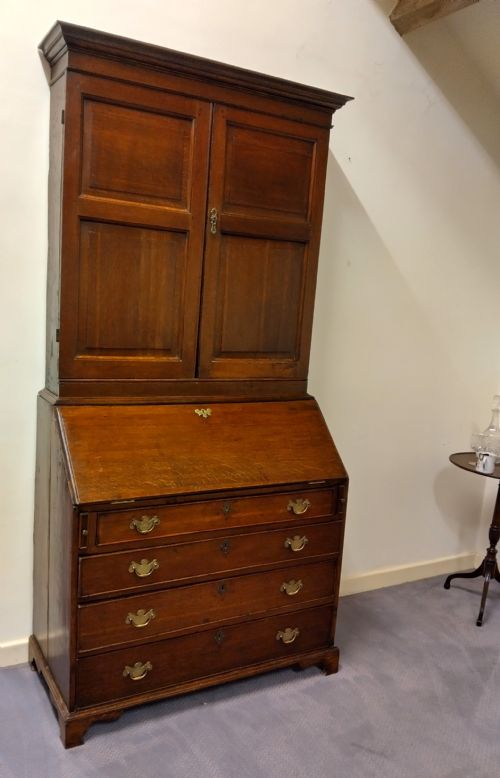
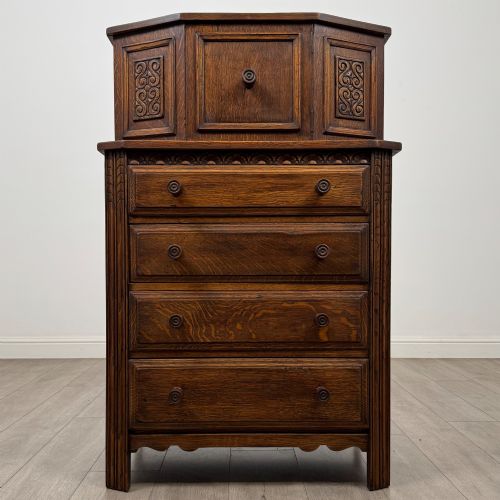
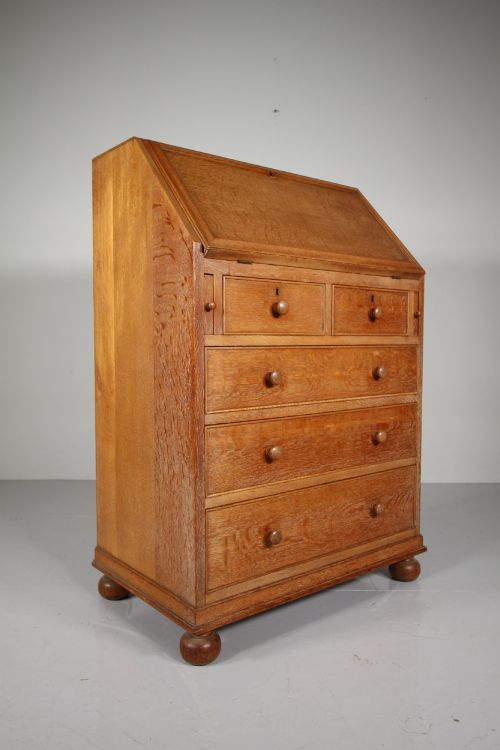
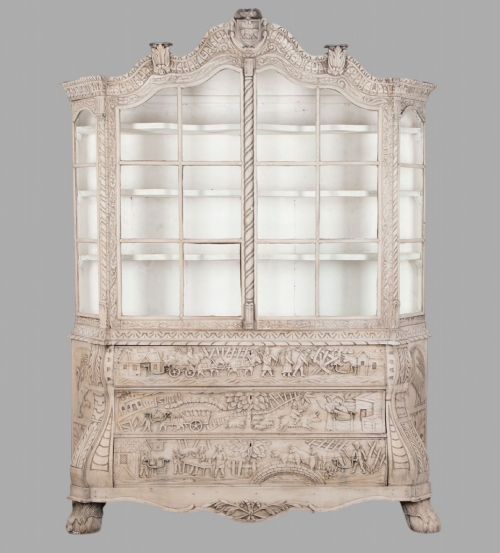
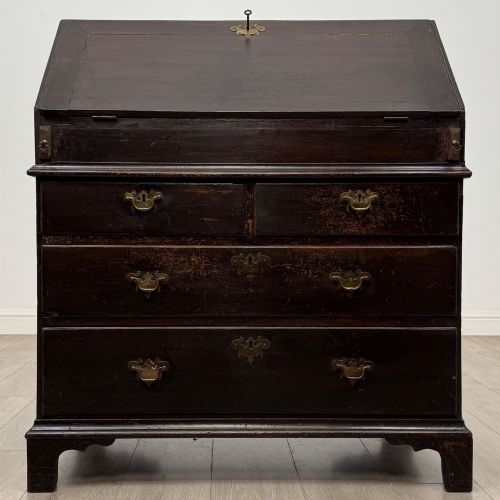
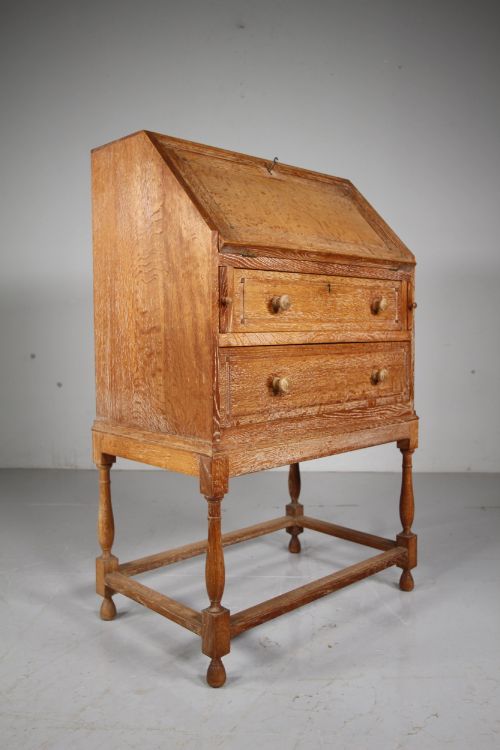
An oak drawer front forms the visible face of storage pieces such as chests of drawers, bureaux, and cupboards seen across this selection. Buyers search for these items to appreciate period timber grains, panel configurations, and traditional joinery integrated into larger furniture forms.
The versions most commonly met on this page originate from 17th-century, 18th-century, and Edwardian periods, manifesting in styles ranging from plain geometric mouldings to carved Jacobean revival details.
Judging the quality of the timber and finish
Quality rests upon the selection of timber figures, where quartersawn oak showing pronounced medullary rays commands greater appreciation than plain-sawn boards. The crispness of hand-cut mouldings and the retention of a natural, aged patina further distinguish superior pieces.
The integrity of the construction, including the original placement of brass hardware and the fit of the drawer within its frame, separates standard utilitarian items from finer cabinetwork.
Oak Drawer Front Retail Price Guide 2026
Typical asking prices for oak drawer front among the pieces listed under this phrase on Sellingantiques today, from the lower quarter to the upper quarter. They describe what is for sale here now, not the wider market.
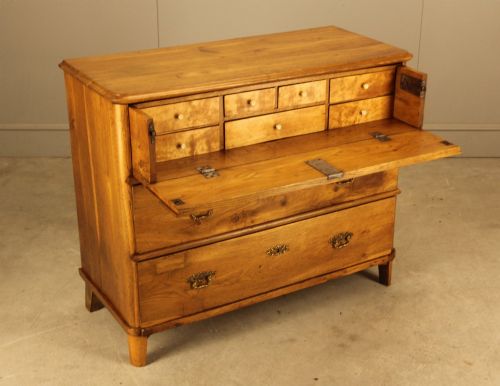
Several bureaux preserve hidden compartments inside their fitted wells, designed for stashing secret letters or stray coins.
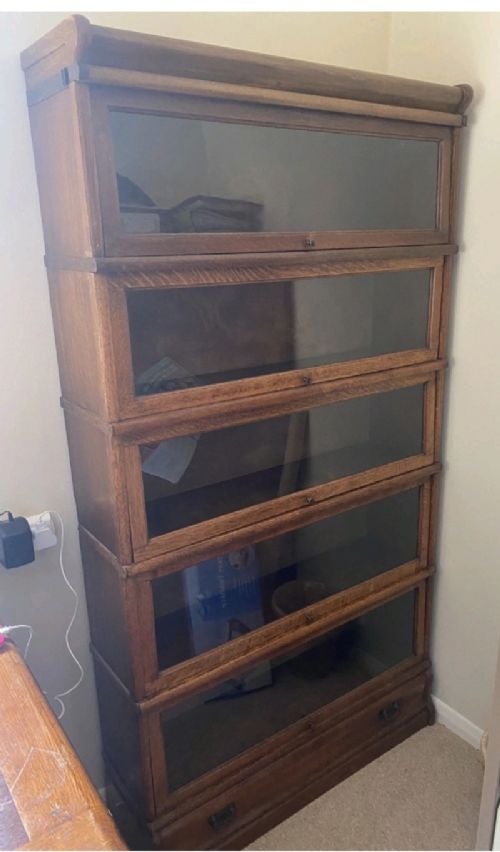
Heals·Dudley and Co·Globe Wernicke
The Oak Drawer Front Glossary
- Geometric moulding
- A style of raised, intersecting mouldings applied to drawer fronts, characteristic of 17th-century joinery. This technique creates panelled patterns across the surface.
- Bureau
- A writing cabinet featuring a sloping fall front that conceals a fitted interior of small drawers and pigeonholes. Many examples incorporate drawer tiers beneath the writing surface.
- Patina
- The surface sheen and colour acquired by timber through age, handling, and light exposure over centuries. A desirable surface exhibits depth without artificial gloss.
- Medullary ray
- Cellular ribbons radiating from the centre of a tree trunk, visible as flecks or tiger stripes in quartersawn oak. This natural feature indicates high-grade timber selection.
Oak Drawer Front: Frequently Asked Questions
What periods do these pieces date from?
The selection spans from the late 17th century through the Georgian and Edwardian eras up to the mid-20th century.
Earlier items display moulded geometric fronts, whilst later pieces often reflect Arts and Crafts or Jacobean revival styling.
How do I identify solid oak from veneers?
Inspect the grain patterns wrapping around the edges of the drawer fronts to see if the figure continues unbroken from face to side.
Solid timber shows continuous growth rings, whereas veneered surfaces reveal underlying secondary woods at extreme angles or edges.
How should I care for historic oak surfaces?
Maintain the timber by applying traditional beeswax sparingly and buffing with a soft cloth to preserve the natural patina.
Keep pieces away from direct heat sources and extreme humidity fluctuations to prevent wood splitting or warping.
What is a fall front writing bureau?
A fall front bureau incorporates a hinged writing flap that pulls down to reveal a fitted interior of compartments and small drawers.
When closed, the sloped front presents a flat wooden surface that conceals the working desk area.