




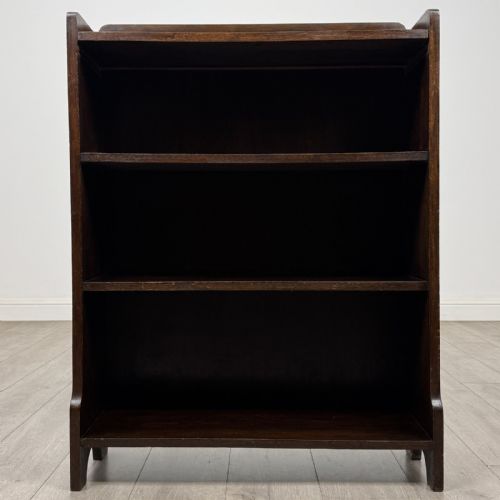
Oak Display Shelving
Oak display shelving combines functional storage with enduring timber character, offering sturdy open compartments and glazed cabinets to organise books and collections.
Oak Display Shelving
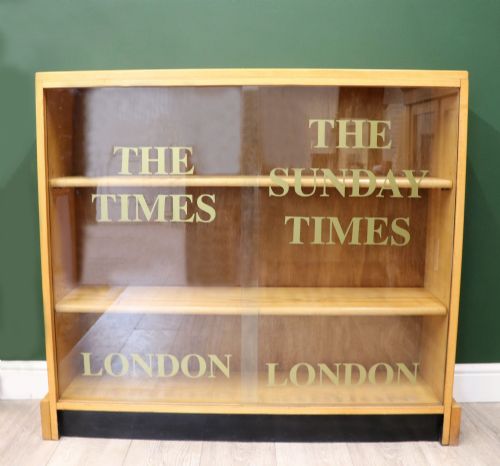
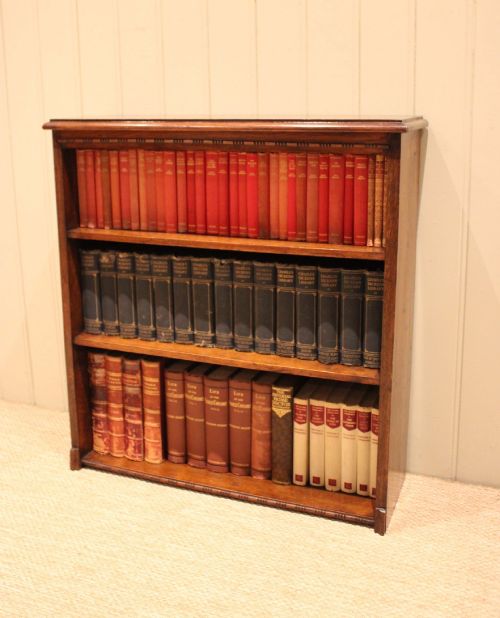
When searching for oak display shelving, buyers encounter a diverse selection of furniture designed to hold books, ceramics and decorative objects in domestic interiors. The pieces on this page span the Victorian, Edwardian and Art Deco periods, alongside earlier nineteenth century examples, encompassing styles from Arts and Crafts to Jacobean Revival.
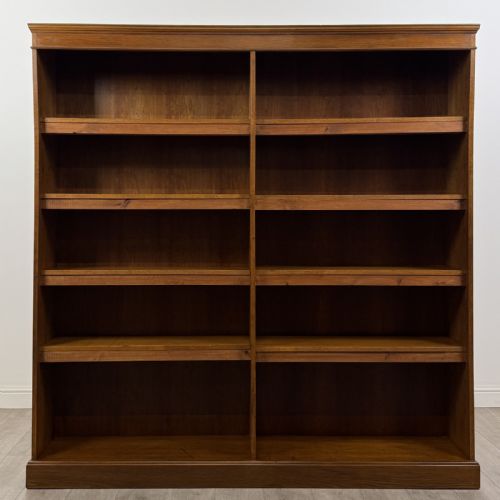
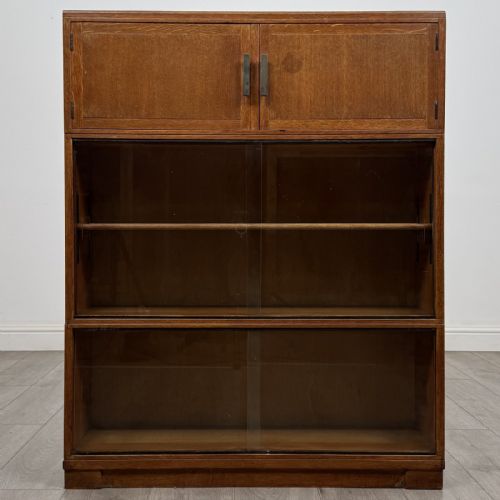
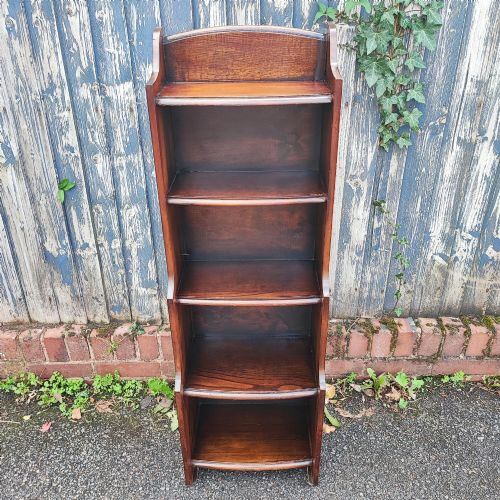
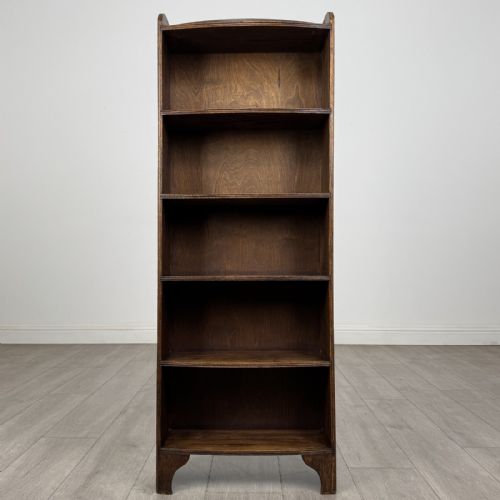
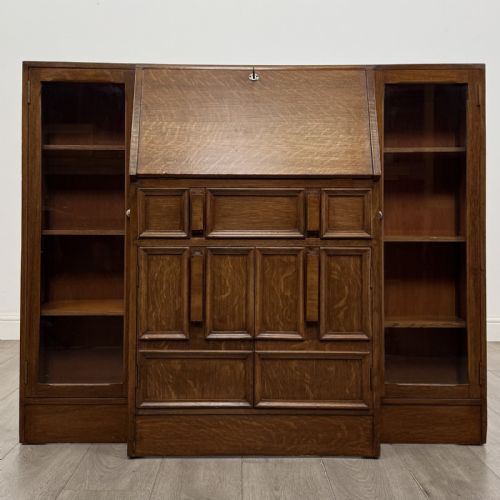
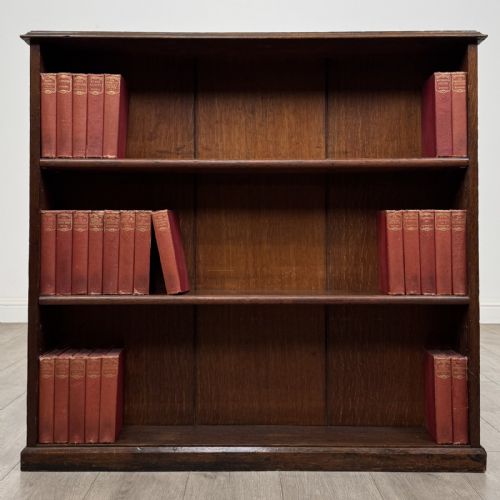
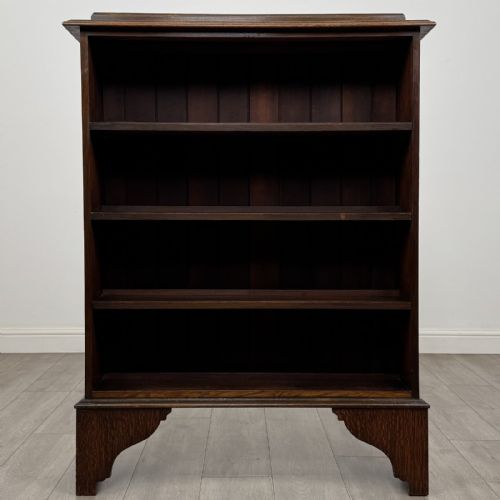
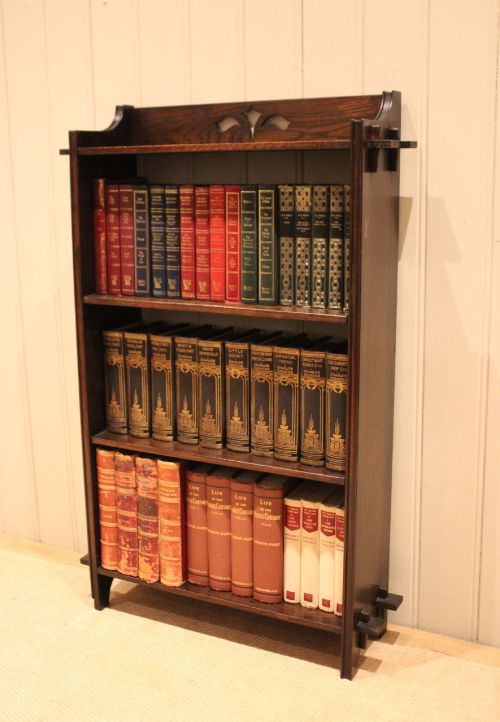
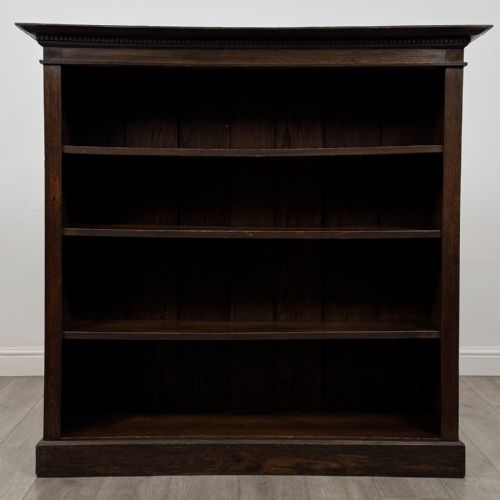
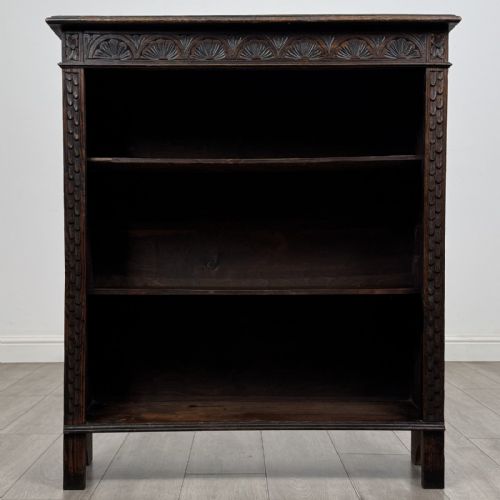
The primary forms appearing in these listings include open bookcases, glazed cabinets, Welsh dressers and tiered shelving units. Edwardian and Victorian open bookcases dominate the inventory, frequently featuring adjustable wooden shelves, raised galleries and carved wooden borders.
Originating largely from British workshops and prominent retailers of their day, these items serve both utilitarian storage needs and aesthetic display functions. Buyers regularly find configurations ranging from tall architectural bookcases to compact side tables with integrated display tiers.
Indicators of Excellence
Quality in these pieces rests upon the selection of timber, the crispness of carved details and the integrity of the original construction. Superior examples display dense, figured oak grain, well-proportioned galleries and smoothly operating adjustable shelving systems without modern replacements.
Maker attribution and documented origin elevate certain items significantly, distinguishing standard workshop production from notable retail pieces bearing distinct craftsmanship hallmarks. The preservation of original glass, brass hardware and unblemished polished surfaces further separates standard utility pieces from collector grade examples.
Oak Display Shelving Retail Price Guide 2026
Typical asking prices for oak display shelving among the pieces listed under this phrase on Sellingantiques today, from the lower quarter to the upper quarter. They describe what is for sale here now, not the wider market.
Listings feature oak, walnut, brass and glass across Victorian, Edwardian and Art Deco periods.
Bowman Brothers London·Liberty·Heals·Ercol
The Oak Display Shelving Glossary
- Raised gallery
- A low decorative railing or tiered border running along the top edge of a bookcase or cabinet. This feature prevents items from sliding off the surface.
- Adjustable shelves
- Internal shelving supported by movable pegs or ratchets that allow the user to alter shelf heights. This mechanism accommodates books and objects of varying vertical sizes.
- Welsh dresser
- A traditional kitchen or dining room furniture form featuring lower cupboards or drawers surmounted by open display shelves for plates. They provide substantial storage alongside prominent display space.
- Tiger oak
- Quarter-sawn oak timber exhibiting distinctive flecking and medullary ray patterns resembling tiger stripes. Cabinetmakers prized this cut for its decorative figure.
- Arts and Crafts
- A design movement prioritising traditional craftsmanship, visible construction and simple forms over mass-produced ornamentation. Pieces in this style emphasise the natural qualities of the oak timber.
Oak Display Shelving: Frequently Asked Questions
What periods do these pieces date from?
The inventory encompasses items produced during the Victorian, Edwardian and Art Deco eras, alongside nineteenth and early twentieth century workshops. Styles range from plain utilitarian formats to carved Arts and Crafts and revival designs.
Buyers exploring these listings will find that earlier nineteenth century examples sit alongside lighter Edwardian golden oak pieces and later twentieth century shelving units.
How do I adjust the shelves?
Many period bookcases feature adjustable wooden shelves supported by side notches, metal pins or ratchets. Users simply lift the shelf to clear the supports and reposition them into alternative slots.
This adaptability allows the cabinetry to accommodate large folios, small pocket books or tall display ornaments with equal ease.
Where were these pieces used originally?
Historically, these items served in studies, libraries, drawing rooms and dining spaces for organising literature and displaying prized ceramics or collectables. Open shelving allowed easy access to daily reading material.
Larger dresser variations with plate racks typically functioned in domestic kitchens and dining areas to showcase household tableware.
How do I care for oak shelving?
Maintain the timber by dusting regularly with a soft, dry cloth and applying occasional quality beeswax to nourish the polished oak surface. Avoid placing furniture in direct sunlight or near excessive heat sources.
Proper environmental conditions prevent the wood from drying out and help preserve the original patina developed over decades of use.