





Oak Display Shelving Unit
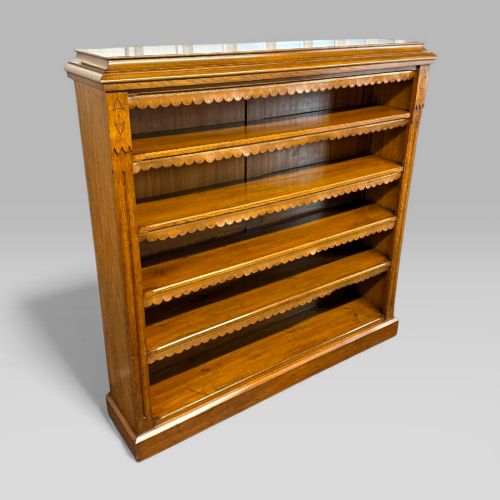
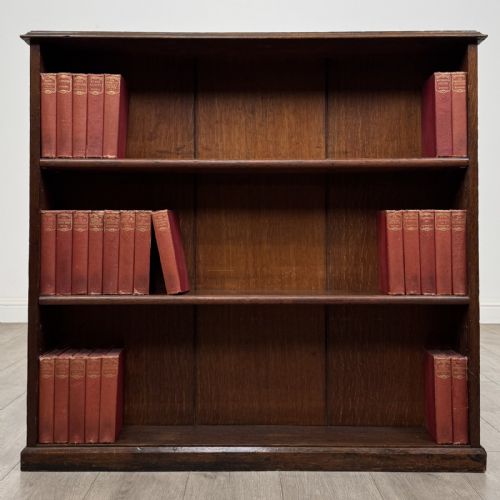
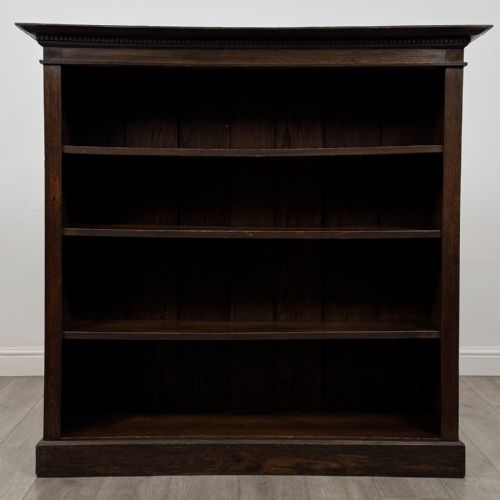
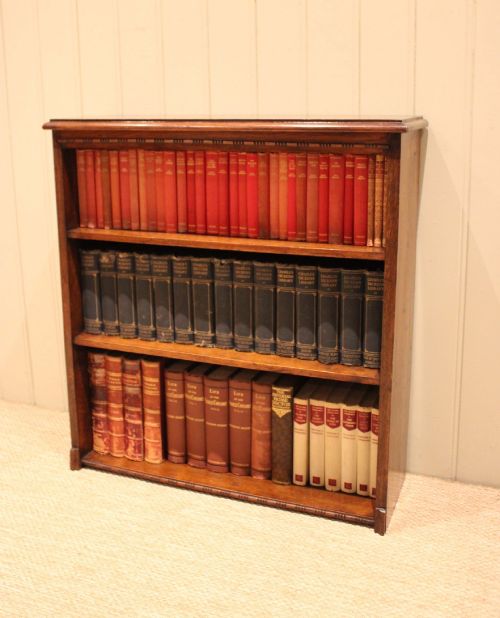
An oak display shelving unit offers sturdy timber architecture for books and objects, bringing period character and practical storage to a room.
Oak Display Shelving Unit
An oak display shelving unit encompasses open bookcases, wall shelves, and cabinet combinations dating from the nineteenth and twentieth centuries. Buyers search for these pieces to organise books while displaying ceramics, glassware, and decorative objects.
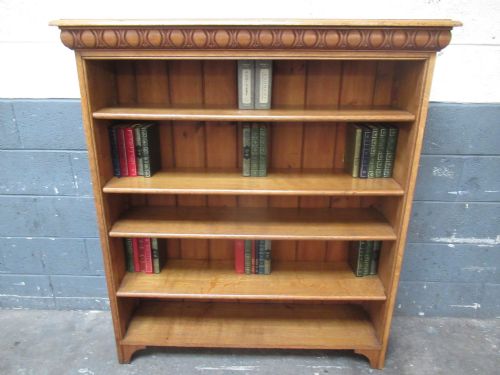
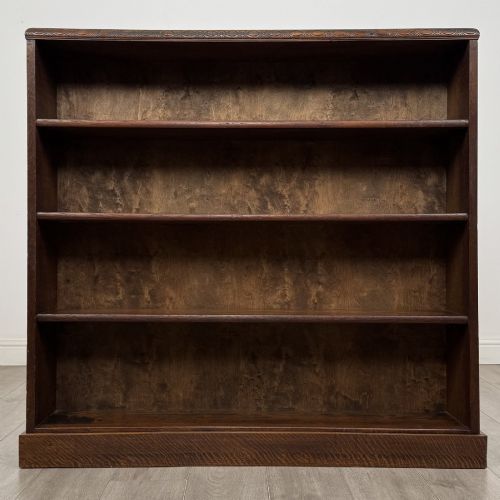
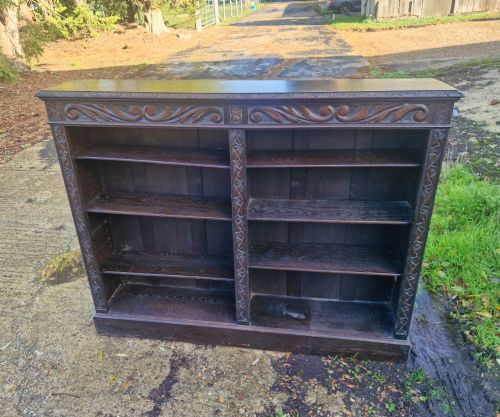
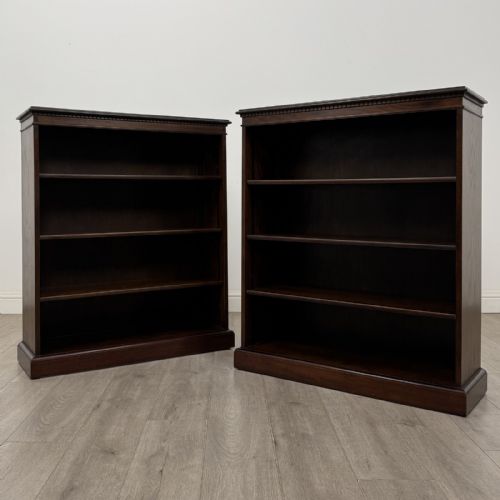
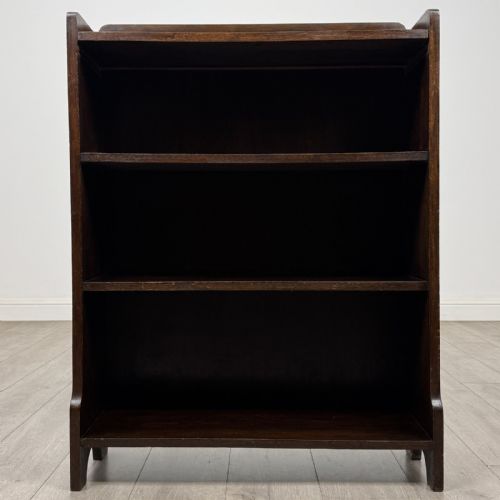
The version most commonly met on this page is the Edwardian or late Victorian open bookcase in oak, often featuring upright sides and horizontal timber shelves.
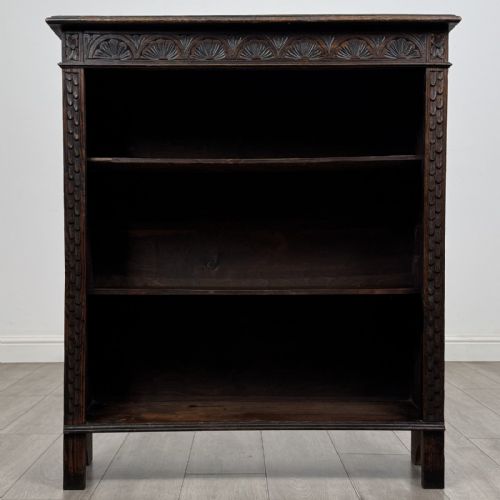
Examples range from compact nineteenth-century pieces to taller twentieth-century designs, including styles such as Arts and Crafts, Art Deco, and Jacobean Revival.
Materials and construction
Makers built these pieces primarily from solid oak and golden oak, sometimes incorporating walnut, mahogany, plywood, or wood veneer for internal components or panels.
Structural embellishments frequently include brass or general metal fittings, such as handles, hinges, or decorative mounts found on cabinet doors and display sections.
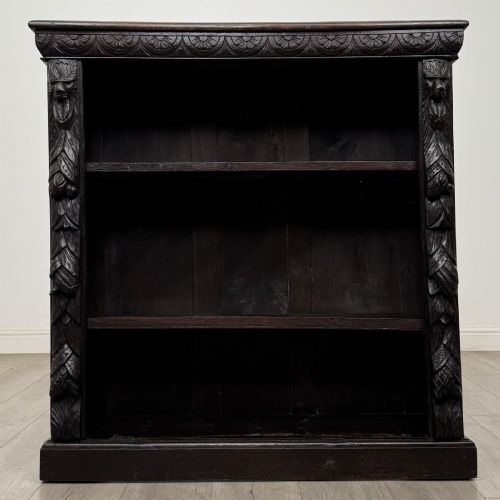
Joinery methods encompass traditional carving, adjustable shelf mechanisms, and stepped configurations that reflect the manufacturing standards of the Victorian, Edwardian, and Art Deco periods.
Oak Display Shelving Unit Retail Price Guide 2026
Typical asking prices for oak display shelving unit among the pieces listed under this phrase on Sellingantiques today, from the lower quarter to the upper quarter. They describe what is for sale here now, not the wider market.
Listings span the Victorian, Edwardian, Arts and Crafts, and Art Deco periods, predominantly constructed in oak with occasional brass and metal hardware.
Craftsmanship and design
The distinction between standard examples and finer items rests in the depth of carved detail, the selection of figured timber grain, and the integrity of the original joints.
Pieces bearing specific stylistic movements, such as Arts and Crafts or Art Deco designs by known makers, display more deliberate attention to proportion and finish than utility items.
Heals·Betty Joel
The Oak Display Shelving Unit Glossary
- Open bookcase
- A shelving unit enclosed at the back and sides but left open at the front for immediate access to books. These pieces form the majority of standard library furniture.
- Adjustable shelves
- Internal boards resting on movable supports that allow the user to alter vertical heights between levels. This mechanism accommodates volumes of varying sizes.
- Arts and Crafts
- A design movement prioritising honest construction, plain surfaces, and visible joinery over applied ornamentation. Pieces from this tradition often feature solid oak with simple linear forms.
- Art Deco
- A twentieth-century style characterised by geometric symmetry, stepped silhouettes, and stylised motifs. Shelving units in this aesthetic break away from traditional Victorian revivalism.
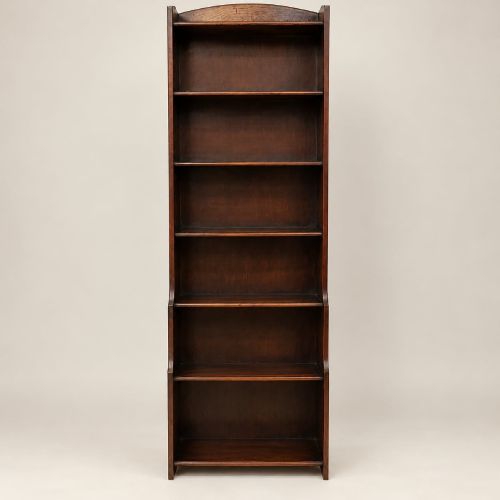
- Waterfall bookcase
- A shelving unit featuring receding tiers where each upper shelf is shallower than the one below. This stepped arrangement creates a cascading visual profile.
Oak Display Shelving Unit: Frequently Asked Questions
What is an oak display shelving unit?
An oak display shelving unit is a wooden storage piece designed to hold books and exhibit decorative objects. These items appear primarily as open bookcases and shelved cabinets.
Constructed mainly during the nineteenth and twentieth centuries, they utilise oak timber to provide sturdy upright support for home libraries and living spaces.
How do I date an oak bookcase?
Dating relies on observing stylistic markers, construction methods, and prevailing design movements associated with the piece. Victorian examples often incorporate heavy carving, while Edwardian versions favour lighter golden oak.
Later pieces from the nineteen-thirties introduce Art Deco geometric lines and stepped forms that distinguish them from earlier nineteenth-century furniture.
Are the shelves usually adjustable?
Many examples feature adjustable shelves supported by internal mechanisms that allow users to change shelf heights. This adaptability accommodates books of varying heights.
Fixed shelving also occurs frequently, particularly in simpler utilitarian bookcases and certain period cabinet combinations.
Where should I place a shelving unit?
These units suit studies, living rooms, and hallways where books and decorative objects require organised display space. Open configurations work well against flat walls.
Corner shelves and low bookcases integrate into smaller rooms without dominating the floor area or blocking natural light.