


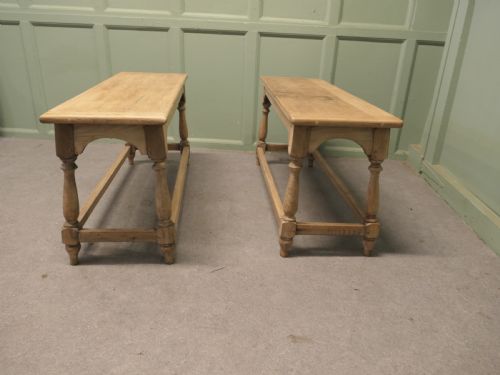


Oak Dining Stool
An oak dining stool offers solid timber construction and simple seating, bringing centuries of practical craftsmanship straight to your table.
Oak Dining Stool
An oak dining stool represents sturdy domestic seating, appearing in forms ranging from early joined constructions to later revival pieces. When exploring this selection, buyers frequently encounter variants spanning the seventeenth century through the Edwardian era, alongside country vernacular examples.
Construction and materials
The primary material across these pieces is solid oak, frequently paired with elm for seats or augmented by rush cordage and tapestry upholstery. Construction relies on traditional joinery methods such as mortise and tenon joints secured with wooden pegs.
Surfaces exhibit the natural grain of timber, occasionally altered through bleaching or historical finishing techniques. Brass fixings appear alongside turned wooden supports and stretchers to provide structural rigidity.
Oak Dining Stool Retail Price Guide 2026
Typical asking prices for oak dining stool among the pieces listed under this phrase on Sellingantiques today, from the lower quarter to the upper quarter. They describe what is for sale here now, not the wider market.
Several items retain enough history to have outlived multiple dynasties while remaining ready to pull up for dinner.
Assessing quality in oak seating
Quality rests upon the integrity of the original joinery and the retention of primary timber surfaces without excessive modern replacement parts. Pieces displaying crisp carving, well-proportioned turnings, and sound structural frames stand apart from heavily altered examples.
The distinction between a period piece and a later revival version lies in the tool marks, timber shrinkage patterns, and the natural patination accumulated through generations of use.
The Oak Dining Stool Glossary
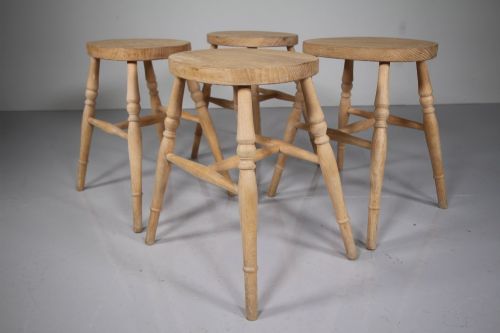
- Joined stool
- An early form of seating constructed using mortise and tenon joints rather than simple nailing. These sturdy pieces served multiple household functions before chairs became common.
- Back stool
- An early form of chair featuring a wooden backrest attached to a stool base. They provide upright seating supported by four legs and traditional stretchers.
- Joint bench
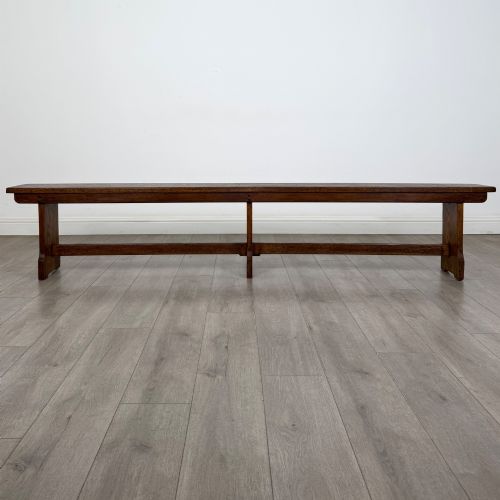
- A long seating form utilising the same framing techniques as a joint stool. These accommodate multiple sitters along a wooden plank or upholstered surface.
- Rush seating
- Woven marsh plant material forming a seat base. This technique creates a resilient and slightly flexible surface for daily use.
Oak Dining Stool: Frequently Asked Questions
How do I spot a seventeenth-century piece?
Authentic seventeenth-century examples display hand-cut joinery, pegged framing, and timber surfaces with deep patination accumulated over centuries of use.
Closer inspection reveals tool marks left by pit saws and drawknives, distinguishing genuine early work from later revival interpretations.
Can these stools be used daily?
Most solid oak stools and benches are built for robust service and easily handle regular sitting at a modern dining table.
Care should be taken with rush seats or upholstered variants to avoid excessive moisture and heavy wear.
What is a joined stool?
A joined stool is a rigid wooden seat constructed by cabinetmakers using tight mortise and tenon joints instead of simpler pegged or nailed boards.
This method created exceptionally strong furniture that could support substantial weight in early households.