



Oak Commode Base
An oak commode base is a foundational storage piece built from sturdy timber that anchors a room with dependable character.
Oak Commode Base
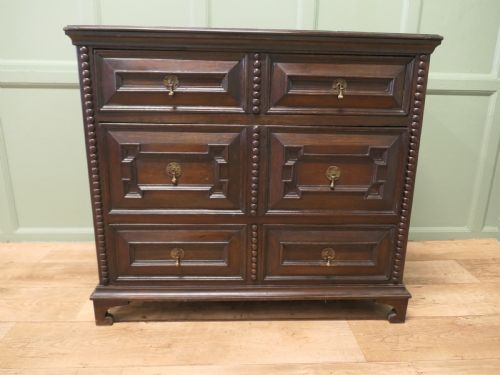
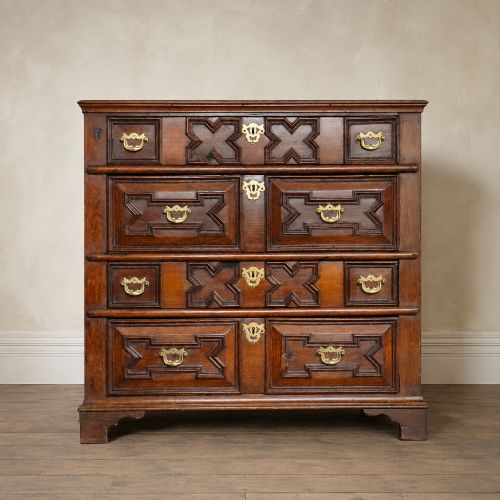
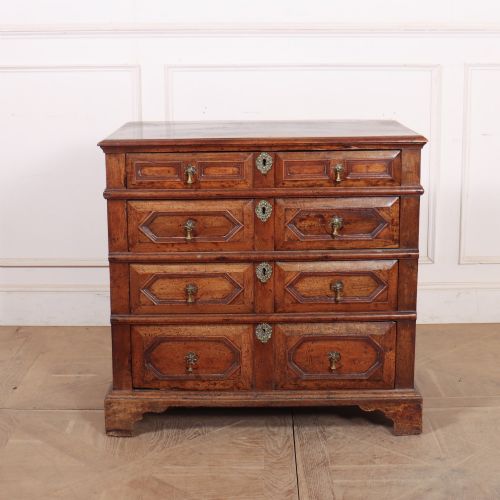
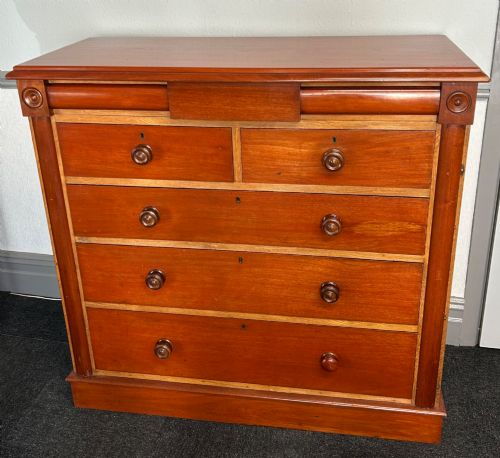
When you search for an oak commode base, you are looking at substantial timber storage furniture primarily taking the form of chests of drawers and cabinets. The pieces listed span multiple centuries, ranging from the seventeenth century through the Georgian and Victorian eras, alongside specific stylistic revivals.
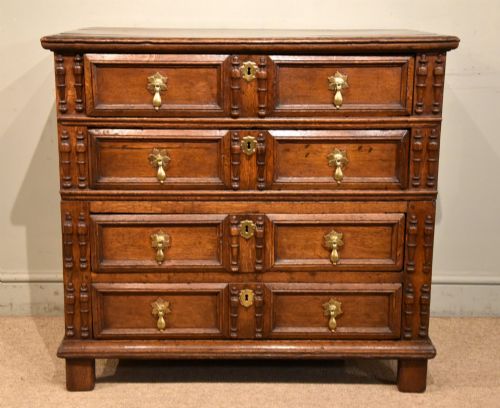
The versions you are most likely to meet on this page include early geometric moulded designs from the seventeenth century and simpler eighteenth-century formats. These heavy-duty items often double as lower sections or foundational carcases for larger cabinet furniture.
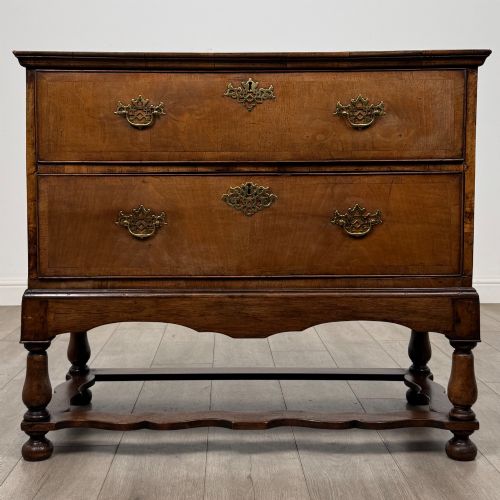
Makers utilised robust construction methods suited to heavy daily use, resulting in practical storage units that have survived centuries of domestic service. The forms vary from straightforward chest of drawers layouts to more elaborate chest on stand configurations.
Materials and construction
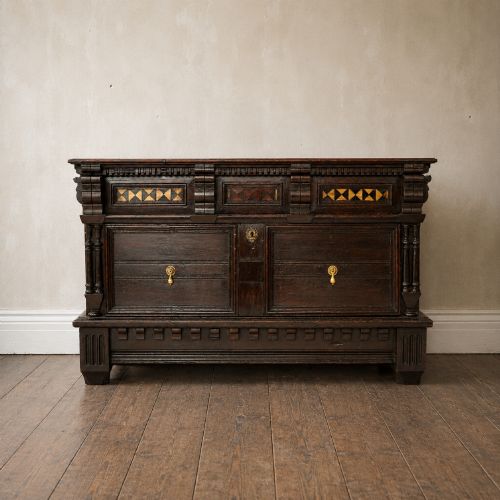
Carpenters relied principally on solid oak timber complemented by occasional secondary woods like mahogany and walnut for contrasting visual effect. Wood inlay and decorative geometric mouldings frequently enriched the drawer fronts and structural panels.
Metal hardware such as brass handles and escutcheons provided functional and decorative accents against the dark, grained timber surfaces. Workshops constructed these carcases using traditional joinery designed to support heavy loads over generations.
Oak Commode Base Retail Price Guide 2026
Typical asking prices for oak commode base among the pieces listed under this phrase on Sellingantiques today, from the lower quarter to the upper quarter. They describe what is for sale here now, not the wider market.
Listings feature oak as the primary material, frequently accompanied by brass hardware, walnut, and mahogany accents across multiple centuries.
Assessing quality and craftsmanship
Quality reveals itself in the crispness of the geometric mouldings and the precision with which the timber panels fit together. Finer examples display thoughtful grain selection in the primary oak and careful integration of brass fittings.
The integrity of the underlying carcase construction separates standard utilitarian boxes from superior pieces of cabinet work. Original surface patination and honest signs of age carry more weight in evaluation than later cosmetic alterations.
The Oak Commode Base Glossary
- Geometric moulded
- A decorative technique utilising raised wooden bars applied in rectilinear patterns across drawer fronts. This treatment creates deep shadow lines characteristic of seventeenth-century joinery.
- Chest on stand
- A tall storage form comprising an upper chest section elevated upon a separate supporting base with legs. This configuration lightens the overall visual mass of heavy timber furniture.
- Carcase
- The main structural body or frame of a piece of furniture before drawers and doors are fitted. It forms the skeleton that holds the external timber panels together.
- Patina
- The deep surface sheen and coloration developed by wood over centuries of handling and exposure to light. This visual quality serves as an indicator of age and genuine use.
Oak Commode Base: Frequently Asked Questions
How do I date an oak chest?
Dating relies on examining construction techniques, joinery methods, timber selection, and decorative elements like geometric mouldings. Seventeenth-century examples often display hand-split panels and heavy mouldings, whereas later Georgian and Victorian pieces show greater standardisation.
Hardware styles and secondary woods also offer chronological clues. Comparing the patination and interior drawer construction helps confirm the period of manufacture.
Where were these pieces used?
These storage units served primarily in domestic sleeping quarters and formal reception rooms for holding garments and household linens. Their robust construction made them suitable for daily interaction in busy households.
Over time, many lower sections became separated from their upper cabinet counterparts, leading to independent use as low storage surfaces. Their sturdy tops also served to display decorative ceramics and lighting.
How do I care for antique oak?
Maintain antique oak by keeping it away from direct heat sources and dramatic humidity fluctuations that cause timber to split. Regular dusting with a soft, dry cloth preserves the historic surface finish without stripping natural oils.
Avoid modern silicone polishes that build up sticky residues over time. Periodic application of traditional beeswax helps nourish the grain and maintain the natural patina.