


Oak Coat Storage
These oak coat storage pieces organise an entranceway with sturdy timber and honest utility.
Oak Coat Storage
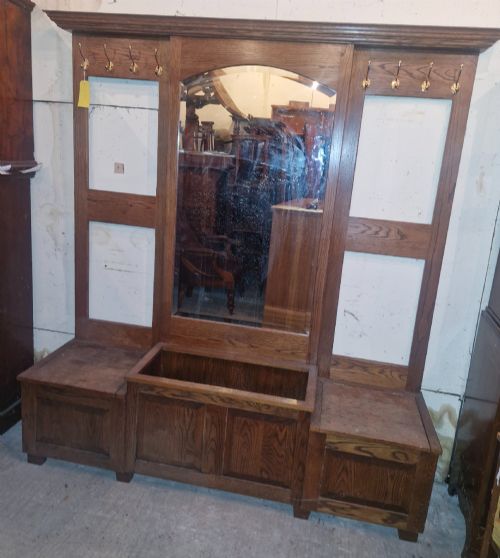
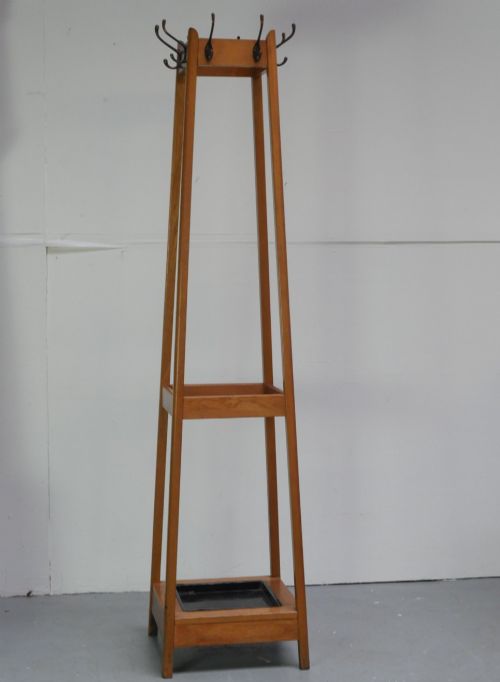
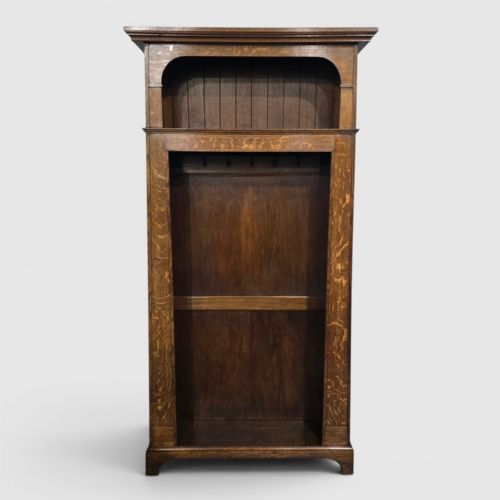
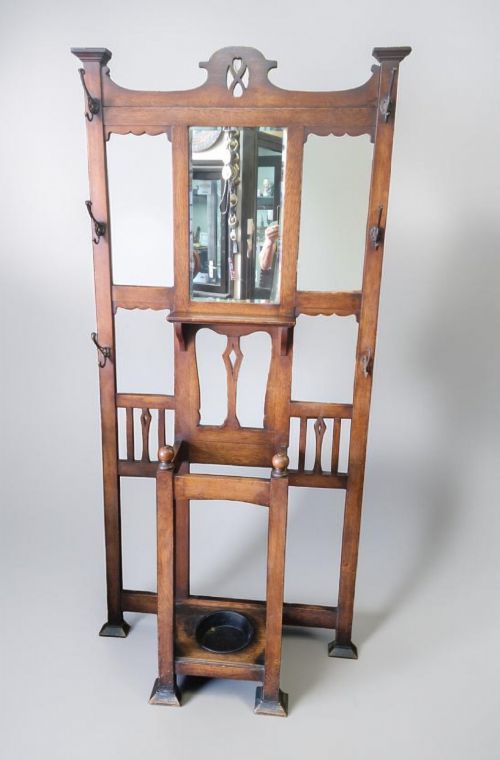
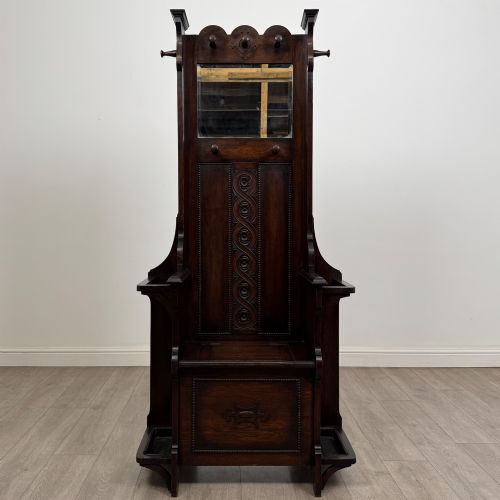
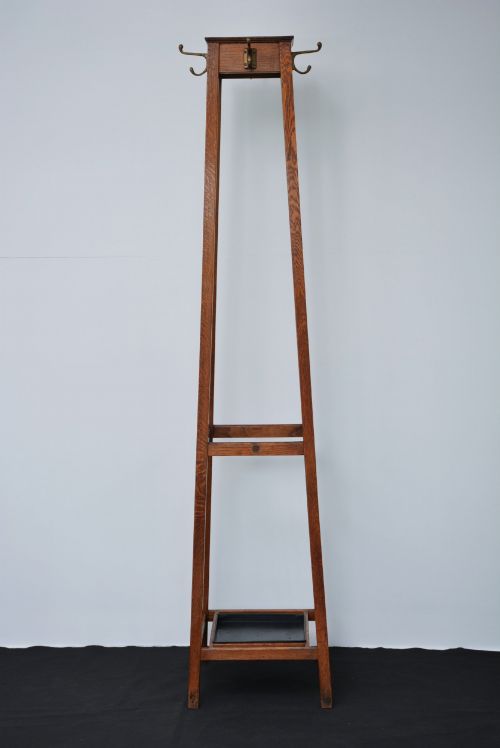
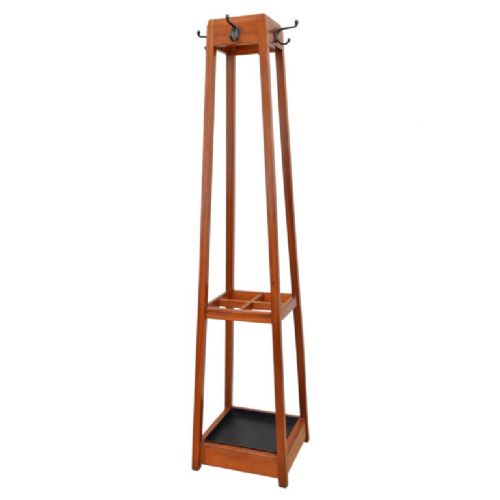
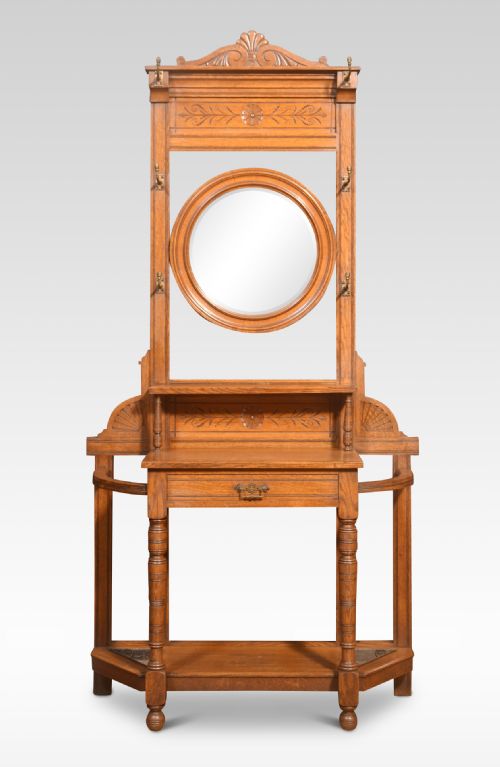
When you search for oak coat storage, you look for functional hallway furniture designed to hold garments, hats, and umbrellas. The pieces on this page primarily take the form of hall stands, coat stands, and hall cupboards.
You meet various designs ranging from Victorian and Edwardian examples to Art Nouveau, Arts and Crafts, and English Industrial styles. Many incorporate mirrors, brass hooks, and marble or metal umbrella drip pans.
The material is predominantly solid oak or golden oak, dating from the nineteenth century through the mid twentieth century. Form follows function closely, with seats, settles, and wardrobes offering enclosed or open storage.
How they were made
These items rely on solid oak construction, often shaped with carved detailing characteristic of Victorian Gothic Revival and Arts and Crafts movements. Workshops utilised brass and cast iron for hooks, brackets, and umbrella rails.
Glass mirrors and marble inserts appear frequently within the framework of hall stands, secured alongside panelled timber doors and pegged joints. Industrial and modernist pieces from the later decades introduce simpler metal elements alongside the core timber.
Listings feature oak material combined with brass, glass, and iron across Victorian, Edwardian, and Art Deco styles.
What varies in quality
The distinction between tiers rests on the execution of the carving, the selection of the timber grain, and the integrity of the original hardware. Finer examples retain matching brass or cast iron hooks and unblemished bevelled mirror glass.
Construction methods also dictate standard, with pegged solid oak joinery holding greater substance than lesser assembled counterparts. The inclusion of integrated marble surfaces and carved panels elevates the execution of period pieces.
Astrola·GW Evans
The Oak Coat Storage Glossary
- Hall stand
- A composite hallway furnishing combining a mirror, coat hooks, a glove drawer, and umbrella stands. It provides compact entry storage for daily garments.
- Settle
- A wooden bench with high backrests and solid arms, often featuring a hinged seat revealing storage space beneath. It acts as both seating and a retainer for cloaks.
- Arts and Crafts
- A design movement prioritising traditional craftsmanship, visible construction, and simple forms. It rejects excessive machine-made ornamentation in favour of honest materials.
- Drip pan
- A removable metal or brass tray positioned at the base of an umbrella stand to catch moisture. It protects the timber floor from dampness.
Oak Coat Storage: Frequently Asked Questions
How do I clean my oak hall stand?
Wipe surfaces with a soft, dry cloth to remove dust and maintain the polish of the timber. Avoid harsh chemical cleaners that strip the finish.
Condition the wood periodically with a traditional wax to nourish the oak grain and protect against dryness.
Where should I place oak coat storage?
Position these pieces in an entryway, hallway, or boot room where coats and umbrellas see frequent use. Ensure adequate clearance for doors and drawers to open fully.
Keep timber away from direct heat sources and strong sunlight to prevent warping or fading of the oak.
How do I date a hall stand?
Examine the hardware, joinery methods, and prevailing decorative style to determine the era. Victorian and Gothic Revival pieces show heavy carving, while Arts and Crafts examples display simpler, hand-finished pegged joints.
Later Edwardian and 1920s versions often feature lighter golden oak tones and streamlined mirror framing.
Can these hold heavy winter coats?
Most period hall stands utilise sturdy brass or cast iron hooks capable of supporting heavy outerwear. Ensure the piece is anchored securely if wall attachment points are provided.
Distribute weight evenly across the available hooks to maintain balance on freestanding coat stands.