



Oak Church Podium
These oak church podium pieces bring heavy carved timber and Gothic revival character into any room, offering a solid reading station with enduring presence.
Oak Church Podium
When you search for oak church podium, you are looking at ecclesiastical reading stands, lecterns, and reception desks designed for steady support. The examples available on this page span the nineteenth century, nineteen hundred, nineteen twenty, and the Victorian period.
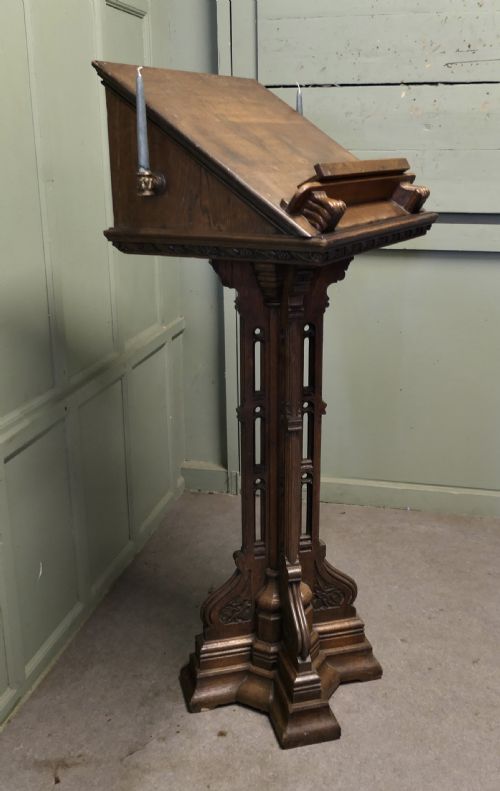
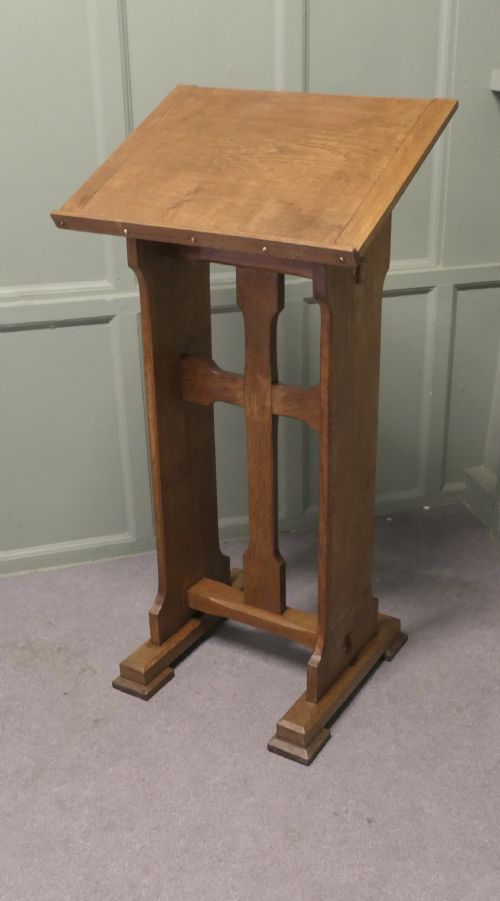
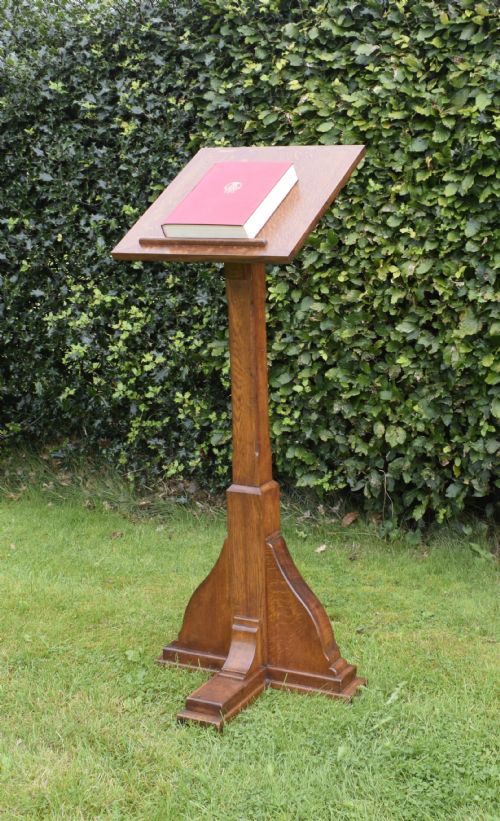
Most pieces you meet here take the form of lecterns and reading stands, often featuring carved details or brass work. Stylistically, they draw heavily on Gothic revival and Arts and Crafts traditions, bringing substantial weight and traditional craftsmanship to interiors.
Materials and construction
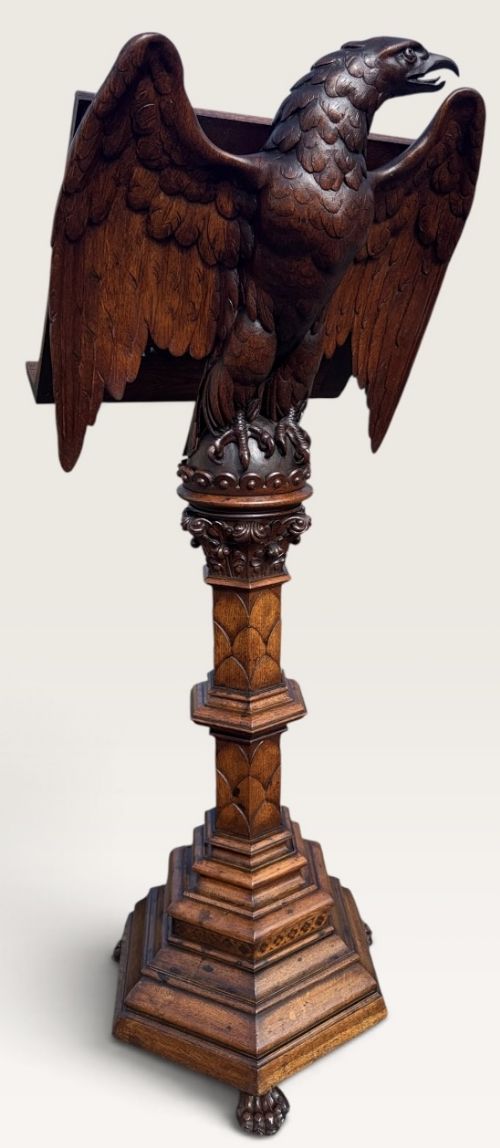
These items are constructed primarily from solid oak, chosen for its strength and durability in ecclesiastical settings. Many pieces incorporate detailed hand carving, particularly evident in animal figures like eagles and traditional Gothic ornamentation.
Metal elements such as brass work appear alongside the timber on certain reading stands to provide functional adjustments or decorative accents. The combination of dense oak and metal hardware defines the construction methods seen across these nineteenth and early twentieth century works.
Oak Church Podium Retail Price Guide 2026
Typical asking prices for oak church podium among the pieces listed under this phrase on Sellingantiques today, from the lower quarter to the upper quarter. They describe what is for sale here now, not the wider market.
Listings on this site exclusively feature solid oak construction paired occasionally with brass work across nineteenth and early twentieth century periods.
Distinguishing quality
Quality in these pieces rests primarily on the depth and execution of the carving, distinguishing simple turned supports from deeply sculpted figures like eagles. The handling of the oak timber, from the selection of golden grain to the crispness of the edges, marks the difference between standard workshop output and finer craftsmanship.
The integration of materials also dictates standing, where supplementary brass work remains secure and properly proportioned to the heavy oak structure. Finer examples maintain harmony between their functional reading surface and their decorative architectural details.
The Oak Church Podium Glossary
- Gothic Revival
- An architectural and decorative style drawing on medieval forms, featuring pointed arches, tracery, and heavy carved woodwork. This aesthetic dominates much of nineteenth-century ecclesiastical furniture.
- Arts and Crafts
- A design movement emphasising handcraftsmanship, simple forms, and natural materials like solid oak. Pieces in this style reject mass production in favour of visible construction and honest materials.
- Lectern
- A tall desk with a slanted top designed to hold a book or notes for a speaker. They often incorporate storage or pedestals for standing use.
- Reading Stand
- A smaller adjustable or fixed support for holding texts at a comfortable angle for reading. These often appear with added metal or brass work for utility.
Oak Church Podium: Frequently Asked Questions
What is an oak church podium used for?
These items were originally built to hold service books, bibles, or reading materials in ecclesiastic settings.
Today, buyers frequently utilise them as reading stands, restaurant reception greeters, or distinctive greeting stations in domestic and commercial hallways.
How do I date an antique oak podium?
Dating relies on observing construction methods, timber patination, and stylistic markers such as Gothic revival or Arts and Crafts motifs.
Pieces seen here originate from the nineteenth century up through nineteen twenty, carrying specific stylistic traits from those eras.
Are these podiums heavy?
Yes, because they are constructed from solid oak timber and frequently feature heavy carved elements like eagles or architectural bases.
This substantial weight makes them exceptionally sturdy and stationary once placed in a room.
What styles are common in these podiums?
The predominant aesthetics recorded are Gothic Revival and Arts and Crafts, reflecting nineteenth-century and early twentieth-century design priorities.
These styles emphasise structural honesty, heavy carved ornamentation, and traditional timber joinery.