
Oak Arts Crafts Desk
When you search for an oak arts crafts desk, you enter a world of honest joinery, practical utility, and enduring material strength.
Oak Arts Crafts Desk
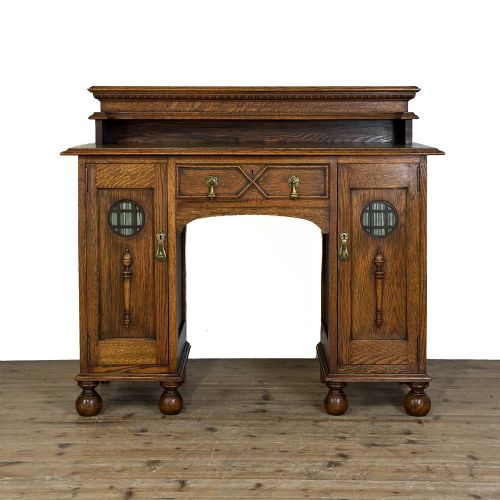
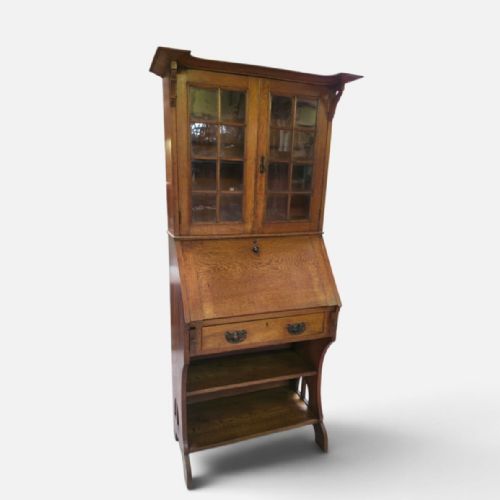
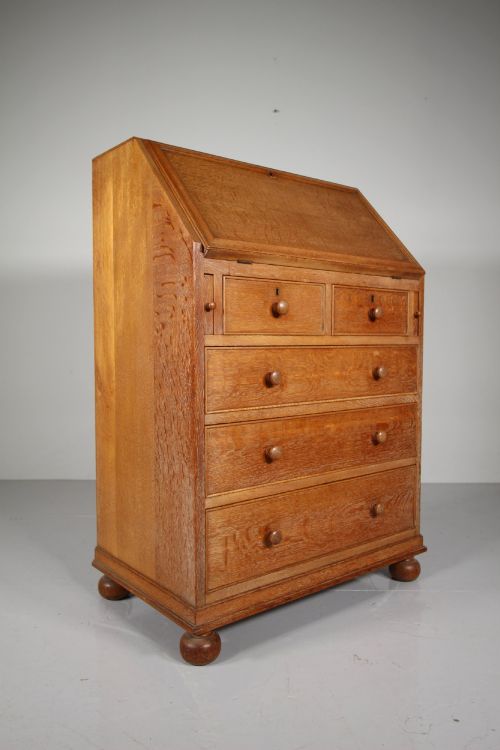
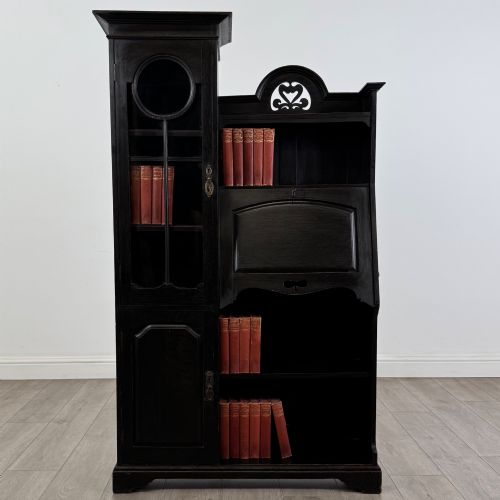
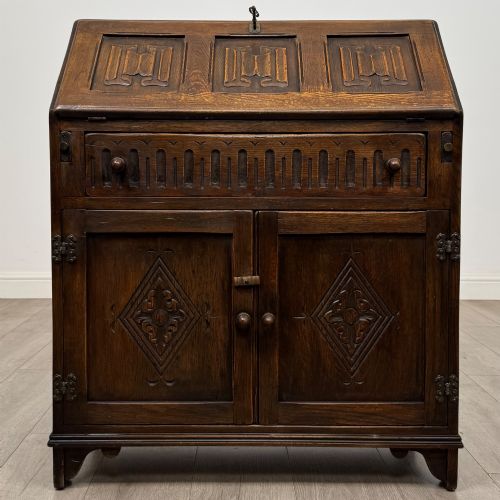
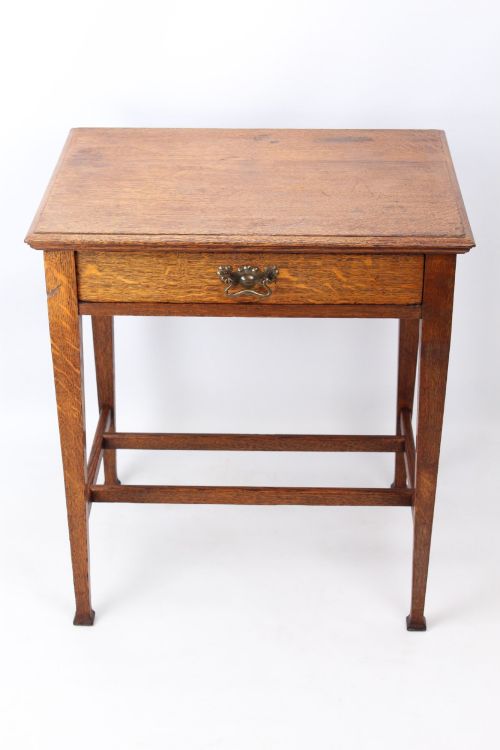
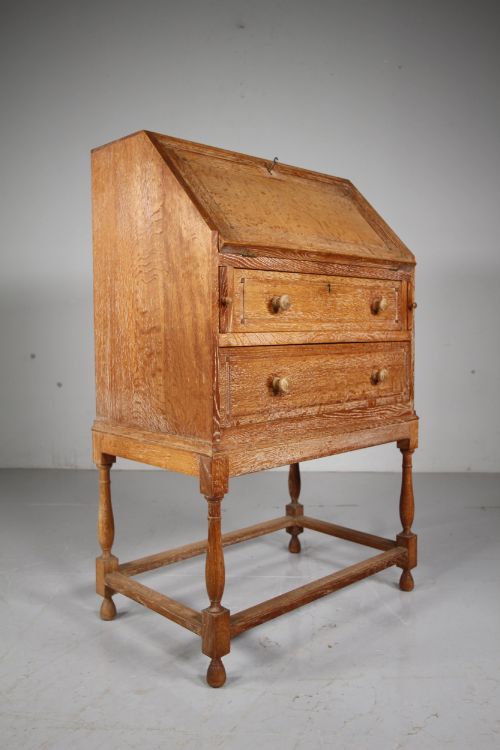
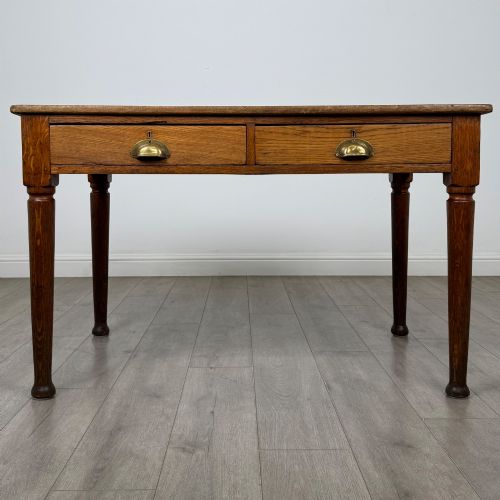
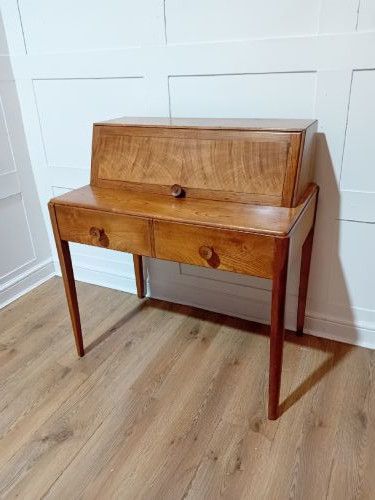
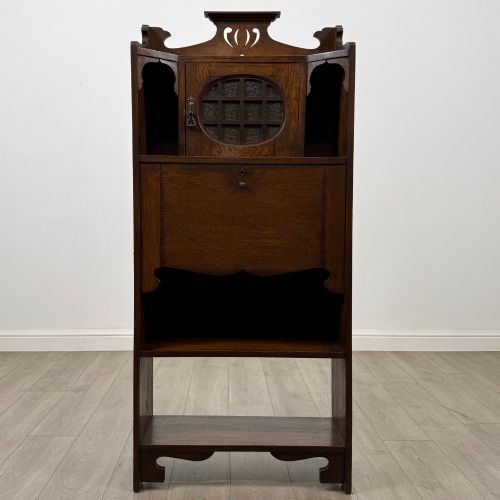
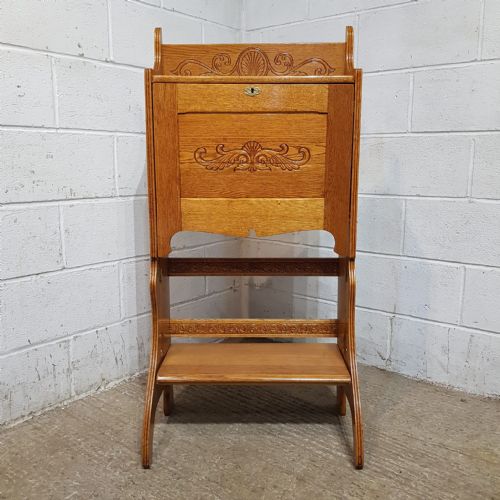
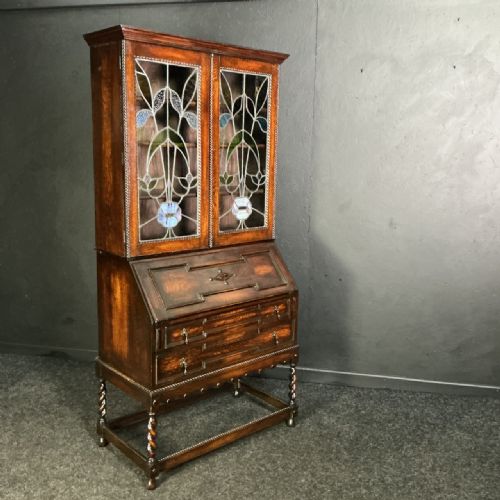
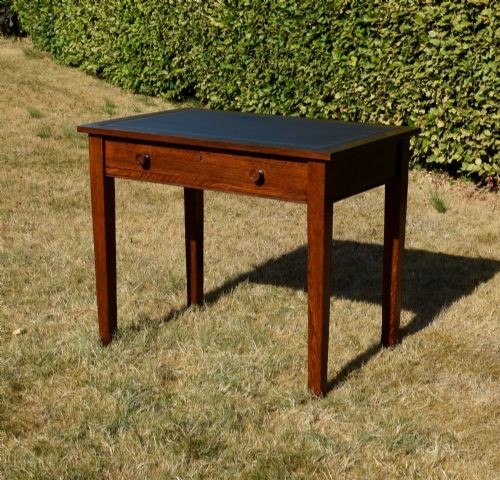
An oak arts crafts desk embodies the late nineteenth and early twentieth-century shift away from industrial mass production towards handcrafted integrity. Buyers searching this phrase typically encounter writing tables, pedestal desks, and drop-front bureaux spanning the Victorian, Edwardian, and interwar periods.
The aesthetic prioritises visible construction methods, such as pegged tenons and dovetail joints, over superficial ornamentation. Pieces range from modest student writing tables to expansive library desks produced by influential workshops and commercial retailers.
How they were made
Makers relied primarily on solid oak, frequently selected for its striking medullary rays in quartersawn boards, paired with contrasting hardware in brass, copper, and iron. Leather inserts commonly surfaced writing slopes, while secondary materials like glass, fabric, and occasional limed finishes appeared on specialised pieces.
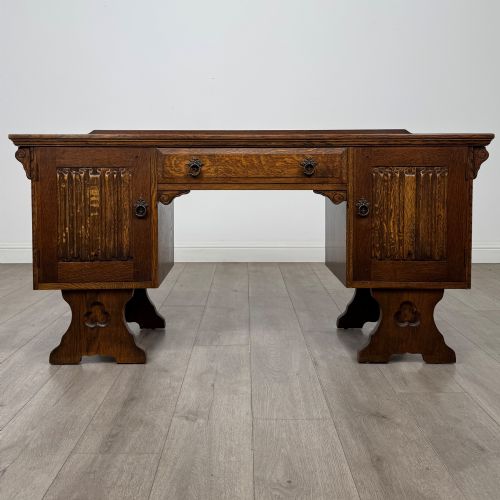
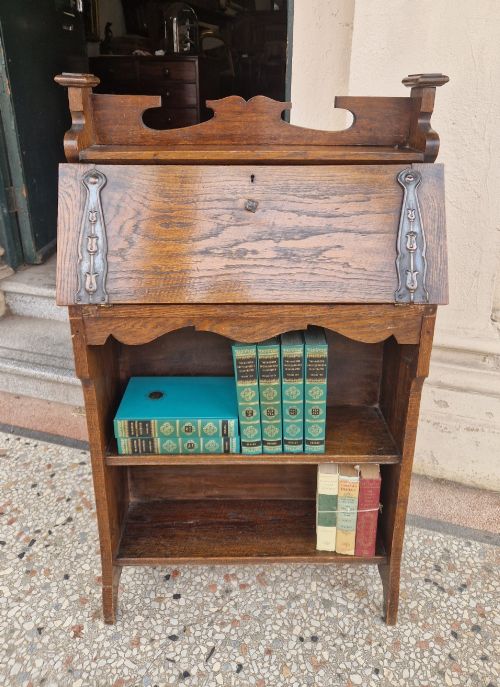
Construction techniques emphasised structural honesty, leaving mortise-and-tenon joints exposed and using hand-carved linenfold motifs or subtle chamfering to add texture. Metalwork handles and hinges were frequently hand-hammered, reflecting the movement's dedication to traditional craftsmanship.
The documented styles range from Gothic Revival and Art Nouveau to Cotswold School and interwar vernacular designs.
What varies in quality
Quality separates workshop-produced furniture designed by known architects or craftsmen from standard factory output of the same period. Superior examples demonstrate meticulous timber selection, particularly quartersawn oak displaying rich grain patterns, alongside refined proportions and thoughtful hand-carved details.
The integrity of the internal construction, such as properly fitted drawer linings and original hardware, distinguishes exceptional survivals from routine pieces. Workshop attribution or maker stamps frequently correlate with higher execution standards in both joinery and finish.
Arthur Simpson·Heals of London·Arthur Basil Reynolds·Stanley Webb Davies·Bryn Mawr Welsh·Hubert Simpson·Edward Barnsley·Gordon Russell·Marsh Jones and Cribb·C Wilkinson and Son·Gustav Stickley·Maple and Co
The Oak Arts Crafts Desk Glossary
- Quartersawn oak
- Timber cut radially to the growth rings, producing a decorative fleck pattern known as medullary rays. This cut offers superior stability and visual appeal in high-grade furniture.
- Bureau
- A desk featuring a sloping hinged flap that opens to reveal a writing surface and small compartment drawers. These pieces often incorporate pigeonholes and internal shelving.
- Linenfold
- A carved wooden panel motif resembling folded drapery or linen fabric. This technique frequently decorates the drawer fronts and doors of Edwardian pieces.
- Pedestal desk
- A heavy freestanding writing table supported by two vertical banks of drawers. They provide substantial workspace and generous storage capacity.
- Cotswold School
- A twentieth-century design movement rooted in traditional hand-tool woodworking techniques. Practitioners prioritized plain surfaces and exposed construction details.
Oak Arts Crafts Desk: Frequently Asked Questions
How do I identify a genuine period piece?
Examine the timber preparation and joint construction closely, looking for hand-cut dovetails and quartersawn oak grain patterns consistent with early twentieth-century manufacturing methods.
Original hardware, maker stamps, or workshop labels provide the strongest confirmation of period authenticity.
Where were these desks typically used?
These pieces served primarily in domestic studies, libraries, and public school reading rooms where durable workspace was required.
Their practical layouts also suited reception areas and professional offices during the Edwardian and interwar eras.
How should I care for the wood surface?
Maintain the oak by applying natural beeswax periodically to nourish the grain and protect the finish from drying out.
Avoid placing the furniture near direct heat sources or in strong sunlight to prevent timber warping and fading.
Did these desks originally include leather tops?
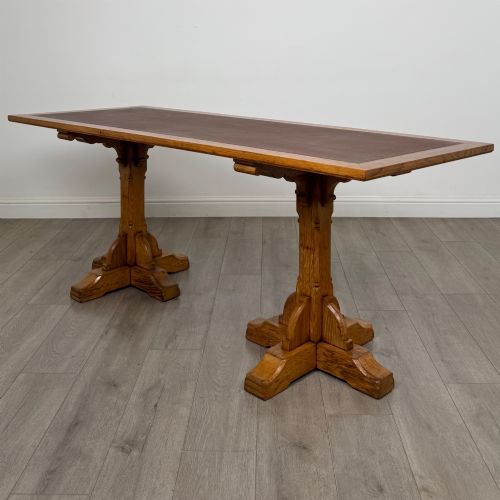
Many writing tables and pedestal desks featured inset leather surfaces to provide a smooth, resilient writing platform.
These inserts were frequently tooled with gilt borders, though replacements are common on restored examples.