



Oak Architectural Elements
Oak architectural elements bring historic weight and texture to interiors, offering survivors of older buildings ready for reuse.
Oak Architectural Elements
When you search for oak architectural elements, you uncover salvaged timber fragments and structural decorations removed from older buildings. These pieces span centuries from medieval examples to later revivals, preserving the handiwork of past carpenters.
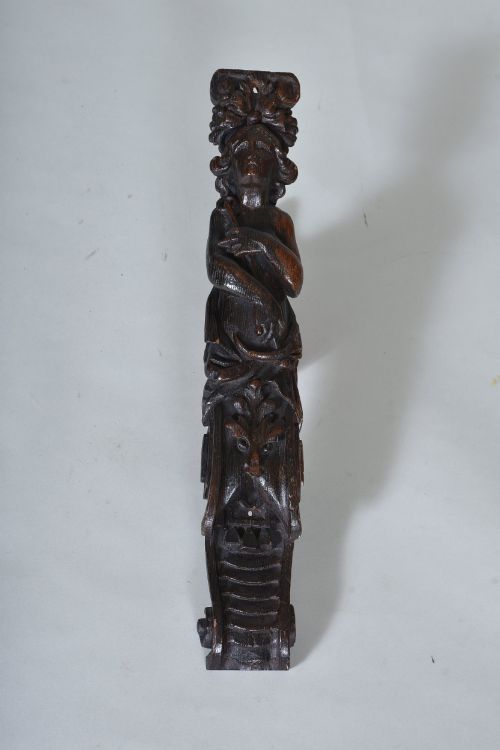
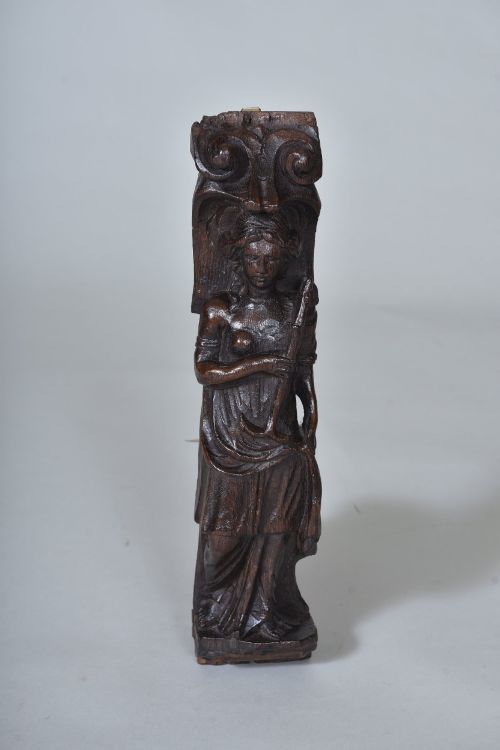
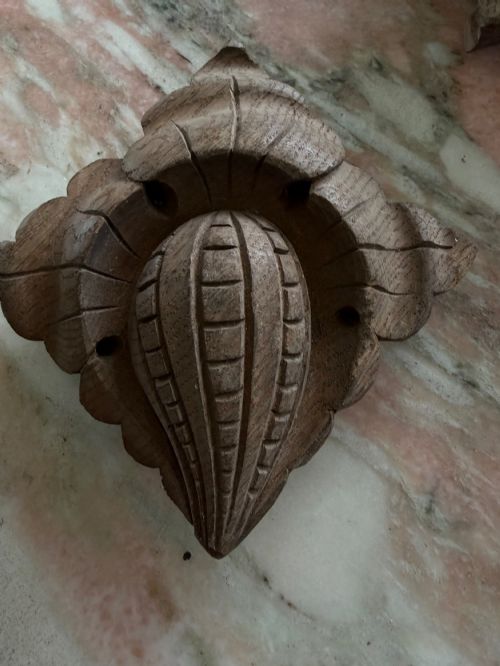
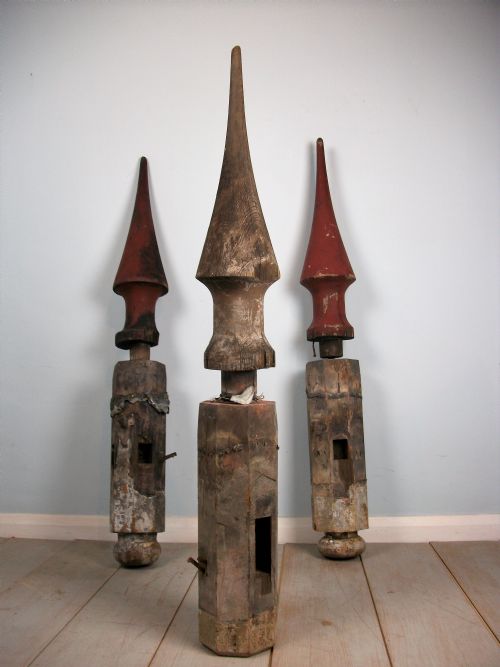
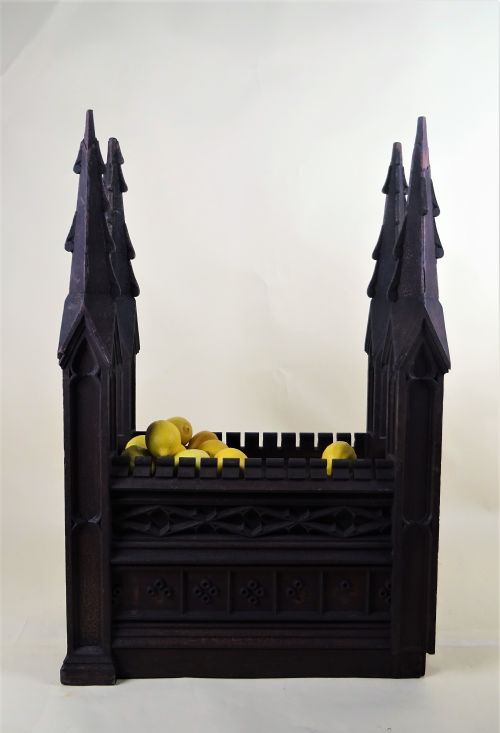
The selections available here range from carved ceiling bosses and panels to caryatids, brackets, and spire finials. Most items belong to the seventeenth and eighteenth centuries, with occasional sixteenth-century fragments and nineteenth-century Gothic revival works.
Buyers choose these items to anchor modern rooms with genuine historical fabric. They function as wall ornaments, focal points, or mounted display objects that showcase period carving.
How they were made
Makers shaped these oak and dark oak timbers entirely by hand using adzes, saws, and chisels. The density of the wood allowed artisans to execute deep relief carvings that survive centuries of wear.
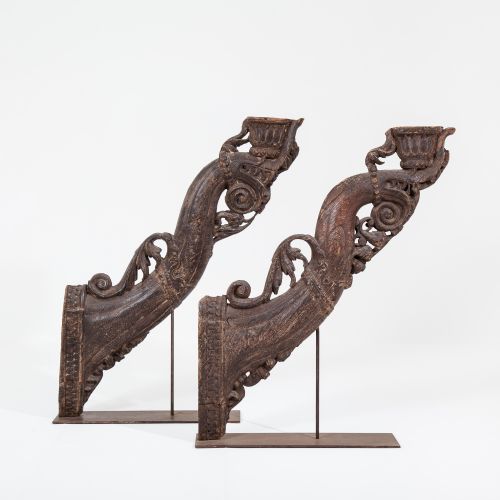
Iron components appear alongside timber in structural brackets and fragments, providing necessary reinforcement for load-bearing elements. Carvers applied their trade directly to structural members such as ceiling bosses, poppy heads, and architectural panels.
Some seventeenth-century timber carvings still hide old soot from candlelit medieval halls.
What varies in quality
Quality rests in the crispness of the wood carving and the depth of the relief work. Pieces retaining sharp chisel marks and complex motifs like Tudor roses or caryatids demonstrate superior craftsmanship.
The integrity of the timber and the survival of original surface patination distinguish finer examples. Patches of original finish and well-preserved joinery indicate how carefully a fragment was salvaged from its parent structure.
The Oak Architectural Elements Glossary
- Ceiling boss
- A projecting block of carved timber placed at the intersection of ceiling ribs. These elements often feature floral or figurative designs.
- Caryatid
- A sculpted human figure serving as an architectural support instead of a column. They appear carved in relief on timber panels.
- Poppy head
- An ornament carved on the upper end of a bench end or pew. The design typically echoes plant forms or foliage.
- Spire finial
- A decorative upper termination of a spire or gable. These elements crown architectural structures with sculptural flourish.
- Gothic
- A medieval style characterised by pointed arches and vertical emphasis. Later revivals replicated these forms in woodwork.
Oak Architectural Elements: Frequently Asked Questions
Can these elements be used outside?
Most of these historic pieces were created for interior use within buildings and lack modern weatherproofing treatments. Placing them outdoors exposes the vulnerable oak to moisture damage and rot.
Displaying them inside protects the historic timber surface and carved details from degradation. Keep them away from direct heat sources to prevent the wood from splitting.
How do I clean old oak carvings?
Dust the timber gently with a soft, dry brush to remove surface debris without harming the patina. Avoid using water, soap, or chemical polishes on historic wood surfaces.
Allow the natural age and dry finish of the oak to show through. Aggressive cleaning strips away centuries of accumulated character.
What periods do these pieces represent?
The inventory spans multiple centuries, running from the medieval era through the sixteenth, seventeenth, and eighteenth centuries. You will also find nineteenth-century Gothic revival items.
Each period brings distinct carving styles, from severe medieval lines to elaborate Jacobean and continental motifs.