




Novelty Tobacco Box
Novelty tobacco box items combine functional smoker storage with playful figural carving, turning everyday containers into charming conversation pieces.
Novelty Tobacco Box
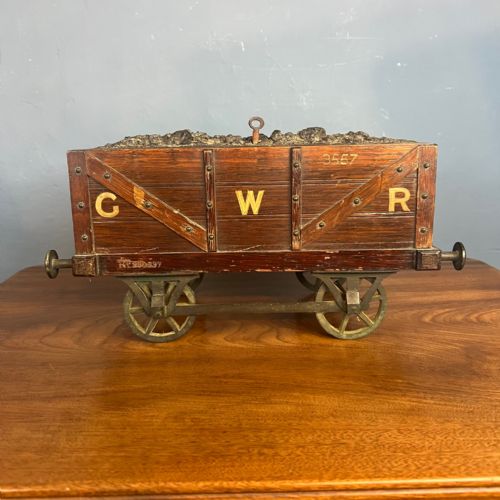
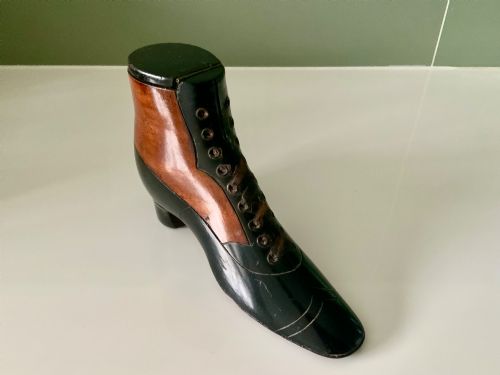
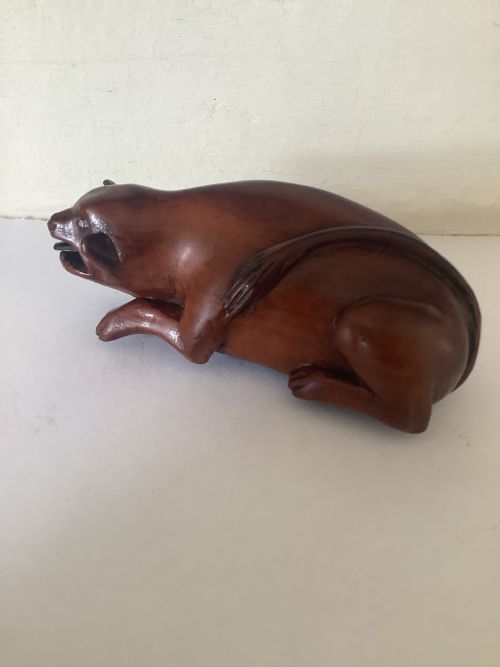
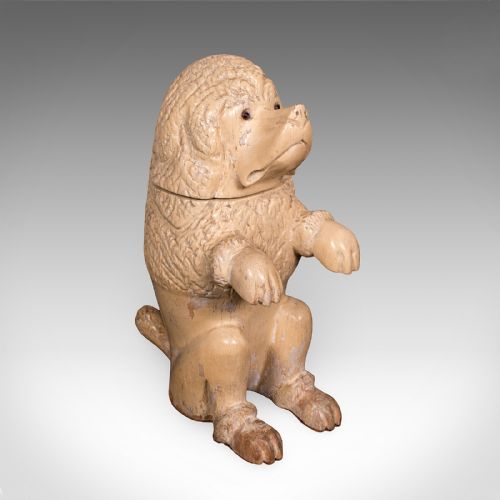
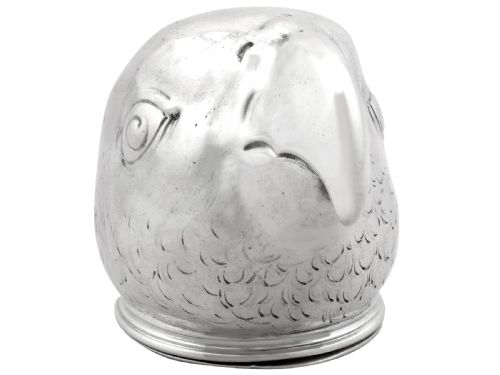
A novelty tobacco box takes shapes ranging from footwear and animals to machinery and everyday objects, serving as both a container for tobacco and an amusing sculpture. These pieces bridge utilitarian smoking culture and domestic wit, often appearing in forms like miniature railway coal wagons, birds, and shoes.
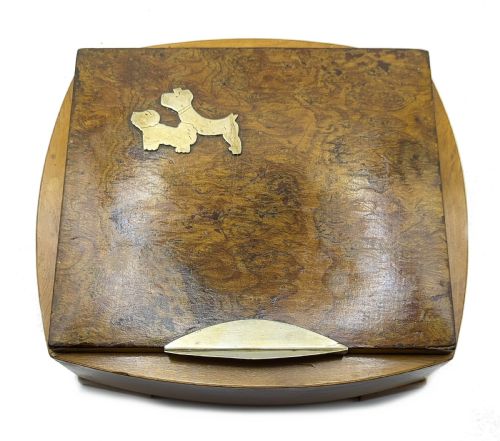
The versions most common on this page date from the nineteenth century, including Georgian and Edwardian examples alongside later Art Deco designs. Makers shaped these objects from fruitwood, oak, burr walnut, and brass, creating varied containers that range from pocket-sized snuff boxes to larger humidors and smokers cabinets.
Materials and construction methods
Carved wood dominates the evidence, utilising timber such as fruitwood, oak, hardwood, and burr walnut shaped through manual carving and turning. Artisans also employed specialised materials like coquilla nut, turtle shell, and bone inlay to construct intricate details and contrasting surfaces.
Metal components appear frequently alongside timber work, utilising brass, copper, and silver mounts to form hinges, lids, and decorative pique work foliage. These mixed media constructions combine structural wooden bodies with fitted metal lids, bellows, and decorative mounts.
Novelty Tobacco Box Retail Price Guide 2026
Typical asking prices for novelty tobacco box among the pieces listed under this phrase on Sellingantiques today, from the lower quarter to the upper quarter. They describe what is for sale here now, not the wider market.
Form variations include railway coal wagons, shoes, animals, and musical instruments alongside standard rectangular humidors.
Distinctions in quality
The standard of execution in carving and shaping sets individual pieces apart, separating naive regional work from highly finished cabinetmaking. Crisp anatomical details on animal figures, precise joinery on mechanical forms like railway wagons, and balanced proportions determine the success of the piece.
Patina and surface preservation contribute heavily to the standing of a box, with rich, deep wood tones and untouched original hardware holding greater appeal. The integration of decorative elements, such as delicate bone inlay or intricate brass pique work, reflects the ambition of the original maker.
The Novelty Tobacco Box Glossary
- Treen
- Small handmade wooden objects for domestic use. This term covers everything from carved fruitwood boxes to utilitarian kitchen items.
- Snuff box
- A small lidded container designed to hold powdered tobacco. These items often feature hinged lids and pocket-sized dimensions.
- Humidor
- A moisture-controlled box designed for storing cigars or tobacco. Larger examples take architectural or vehicular forms.
- Coquilla nut
- The hard, mottled seed of an exotic palm tree. Carvers utilised this dense material for small detailed boxes and container ornaments.
- Pique work
- Inlaid points of gold or silver forming decorative patterns on tortoiseshell or wood. This technique adds metallic contrast to dark organic surfaces.
Novelty Tobacco Box: Frequently Asked Questions
What were novelty tobacco boxes used for?
These containers held loose tobacco, snuff, or cigars for daily personal consumption. Owners kept them on desks, tables, or carried them in pockets.
Beyond simple storage, the humorous or unusual shapes served to entertain guests during social gatherings and smoking sessions.
How do I date a wooden snuff box?
Dating relies on examining the timber species, construction techniques, tool marks, and any engraved dates or initials. Stylistic shifts between Georgian simplicity, Victorian folk art, and Art Deco geometry also help determine the period.
Original hardware such as brass hinges and internal linings offer further clues to the manufacturing era.
What is Black Forest carving?
Black Forest carving refers to nineteenth-century wooden sculptures and decorative objects originating from the mountainous region of central Europe. Artisans specialised in naturalistic animal figures, particularly bears and dogs, rendered with deep texture.
These carved pieces often double as humidors, inkwells, or desktop storage boxes.
How should I care for antique treen?
Keep wooden boxes away from direct sunlight and sudden temperature changes to prevent the timber from warping or splitting. Maintaining stable indoor humidity protects both the wood and any delicate bone or metal inlay.
Occasional light dusting with a dry cloth preserves the natural patina without stripping the historic surface.