


Novelty Handle Cane
These novelty handle canes are character walking sticks featuring animal or figural grips, offering collectors clever hidden mechanisms and distinctive sculptural tops.
Novelty Handle Cane
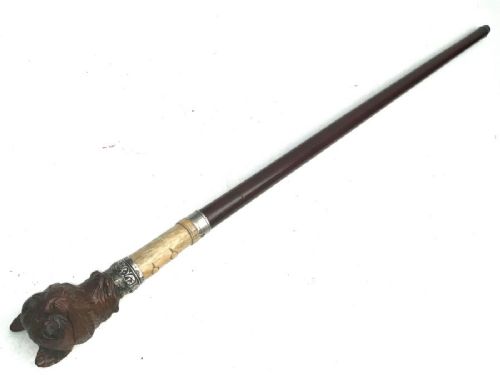
A novelty handle cane is a walking stick or swagger stick featuring a figural or mechanical grip, designed to amuse or serve a secret purpose. The pieces seen here span the nineteenth century through the early twentieth century, including Edwardian and Art Deco examples.
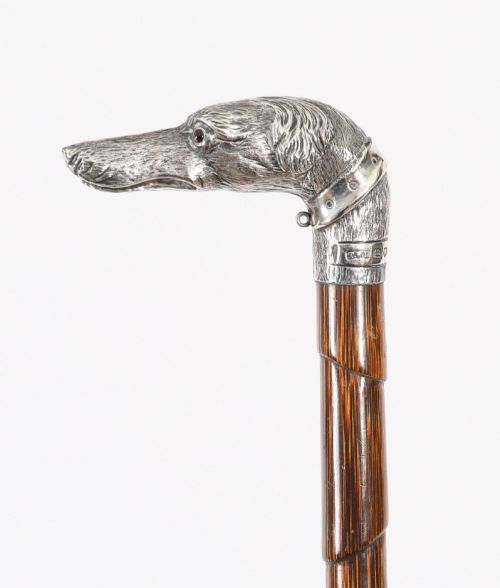
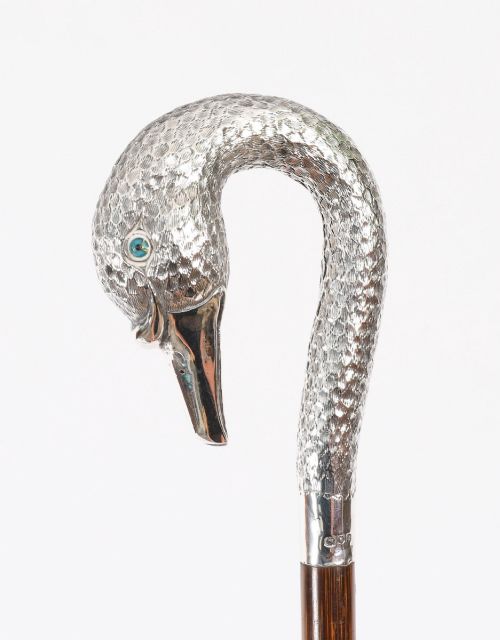
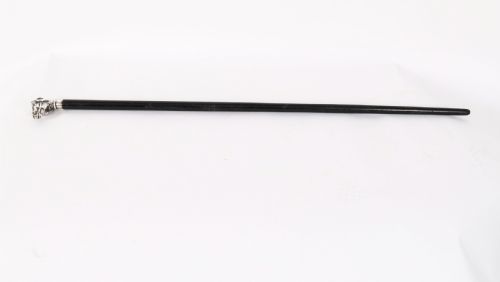
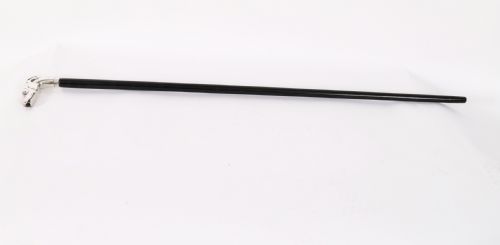
Animal heads form a large portion of the selection, with silver greyhounds, swans, ducks, horses, hares, and rabbits appearing frequently as handles. Other forms take shape as clenched fists, golf clubs, and functional objects like snuff boxes, corkscrews, or hidden swords.
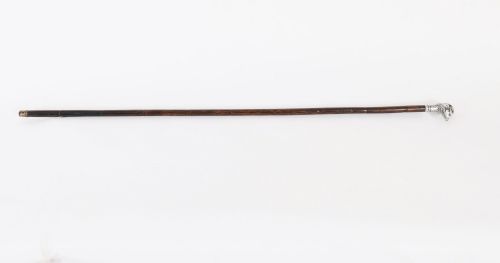
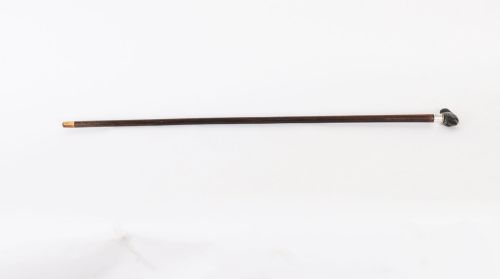
Materials vary widely across these items, combining wooden shafts in hardwood or ebonised wood with metal, silver, sterling silver, horn, and glass mounts. Most examples measure between eighty-eight and ninety-six centimetres in length.
Materials and construction
Makers shaped the distinctive handles of these canes from solid silver, cast metals, carved fruitwood, and horn, attaching them securely to wooden shafts. Many of the silver animal heads bear hallmarks and London assay dates from the early nineteen hundreds.
Shafts were turned from hardwoods, ebonised wood, and timber, sometimes housing hidden implements such as corkscrews, musical flutes, or steel blades within the woodwork. Silver mounts and collars often secure the handle to the main body of the cane.
Several walking sticks double as golf clubs or conceal musical flutes inside the wooden shaft.
Quality and execution
The complexity of integrated mechanisms, such as concealed corkscrew screws or fitted snuff boxes, indicates the skill invested in the creation of the cane. The preservation of the original wooden shaft and surface polish also determines the desirability of the piece.
Asprey
The Novelty Handle Cane Glossary
- Swagger stick
- A short walking cane traditionally carried by military officers or gentlemen as a fashion accessory rather than for physical support.
- Ebonised wood
- Timber treated with a dark stain or finish to imitate the appearance of dense, black ebony wood.
- Pommel
- A rounded knob or handle fitted to the top of a walking stick or cane.
- Gadget stick
- A walking stick that conceals a secondary tool or utility, such as a corkscrew, watch, or blade, within its structure.
- Silver mounted
- A cane or stick fitted with collars, tips, or handles made from silver.
Novelty Handle Cane: Frequently Asked Questions
What are novelty handle canes?
These are historical walking sticks featuring grips shaped as animals, human hands, or sports equipment. Many incorporate hidden compartments or tools like corkscrews and swords.
They served as gentlemanly accessories and conversation pieces during the nineteenth and early twentieth centuries.
How were hidden swords used?
Sword sticks conceal a steel blade inside the wooden shaft, secured by a locking mechanism at the handle collar. They provided personal defence for travellers during the Victorian era.
Today, owners appreciate the concealed engineering and the intact linkage between handle and blade.
How do I date a silver handle?
Silver handles often carry hallmarks stamped by assay offices, which indicate the city of testing and the year of manufacture. London hallmarks from nineteen hundred or nineteen hundred and two appear on several pieces.
Stylistic cues, such as Art Deco geometric lines or Victorian naturalism, help narrow down pieces without clear stamps.
What materials are the handles made from?
Handles are constructed from cast sterling silver, carved fruitwood, solid horn, and plated metals. Animal heads and clenched fists are the predominant motifs.
The shafts are generally turned from hardwoods or ebonised timber to support the weight of the metal or carved tops.
Are these sticks meant for walking?
While structurally sound, antique novelty canes are typically collected and displayed as decorative art rather than used for daily mobility support. Their delicate silver mounts and hidden mechanisms require careful handling.
Umbrella stands or wall racks provide suitable display options for keeping them upright.